Daniel Flannery’s work in television and motion pictures reflects a rare command of both theatrical lighting and screen cinematography. Drawing upon his extensive background in theatre, concerts, architecture, and large-scale spectacle, he brought dramatic composition, atmosphere, dimensionality, and visual storytelling to mediums too often treated as merely technical exercises.
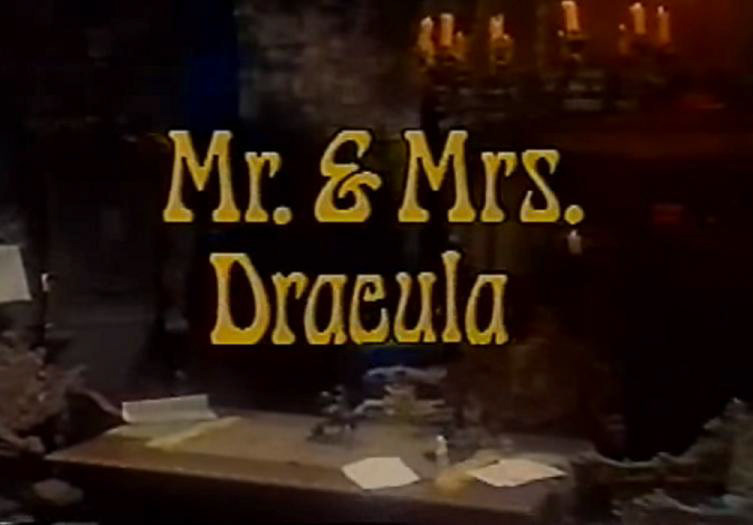
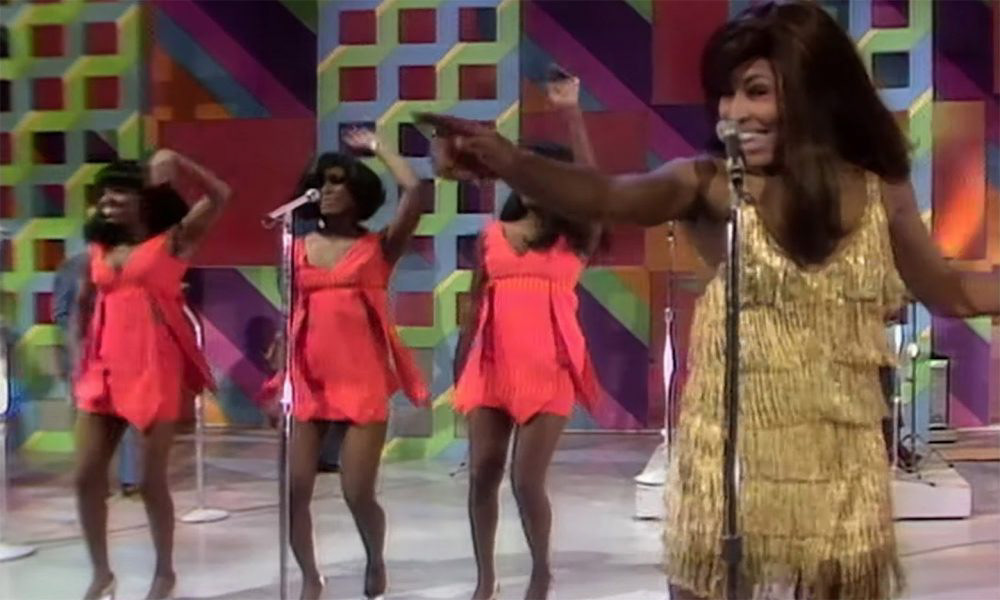
Flannery began his television career on The Ed Sullivan Show and subsequently worked as a lighting director and cinematographer on programs including The Way It Was, Family Feud, Mr. and Mrs. Dracula, Omnibus, and the Emmy-nominated television special Goldie and Liza Together. These early assignments established his ability to adapt theatrical lighting principles to the demands of television production, balancing performance, scenery, camera movement, and the requirements of a live or rapidly produced broadcast.
That sensibility became especially influential in multi-camera situation comedy. At a time when sitcoms were frequently lit broadly and uniformly, producing an unmistakably flat or “video” appearance, Flannery pursued a more cinematic image. He modeled faces, introduced depth and contrast, separated performers from their environments, and created motivated sources of light within the scenery—all while preserving the freedom of movement, multiple camera angles, audience sightlines, and demanding production schedules required by the format. His lighting did more than make the actors visible; it helped establish character, mood, place, and emotional tone.
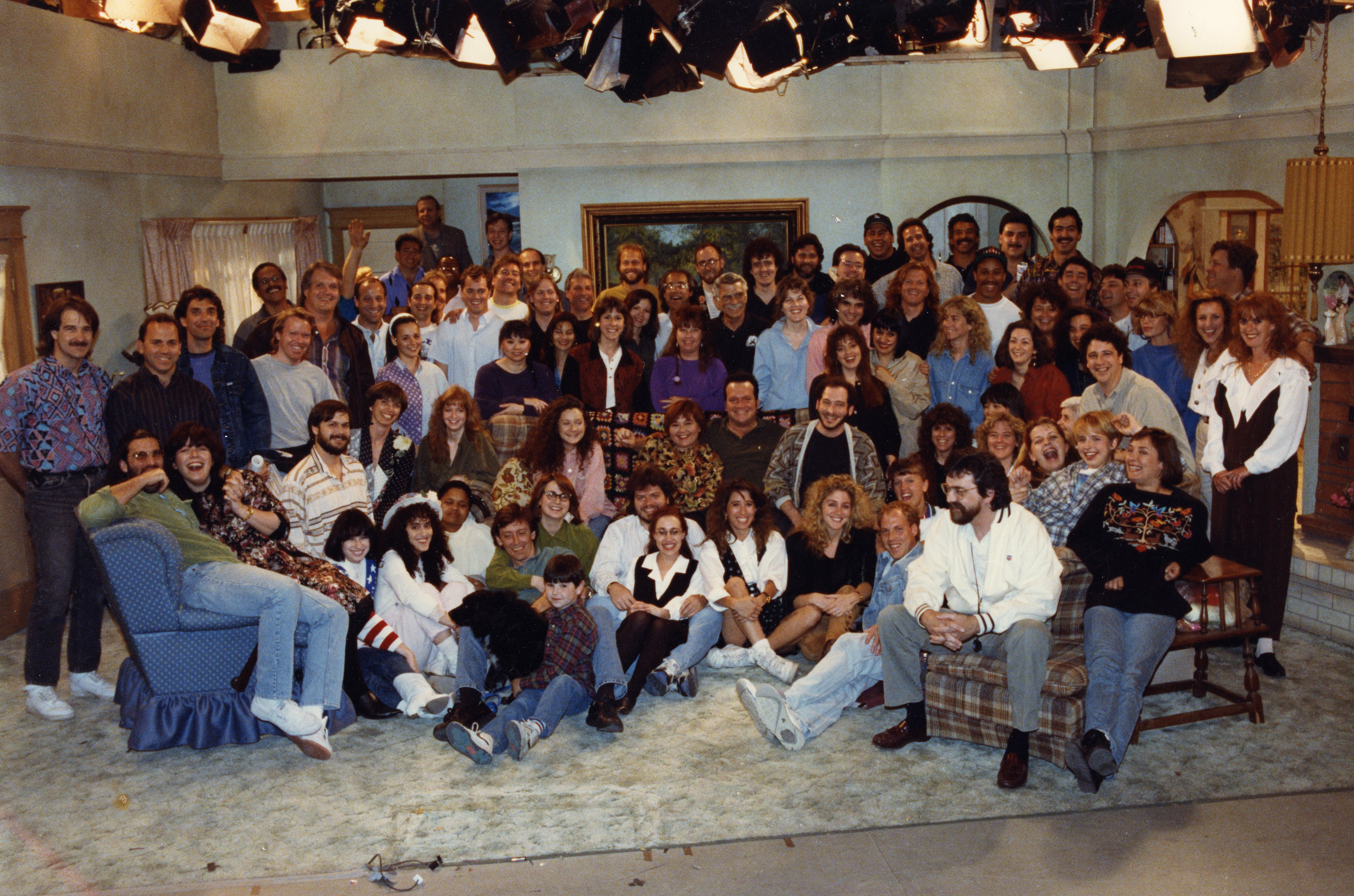
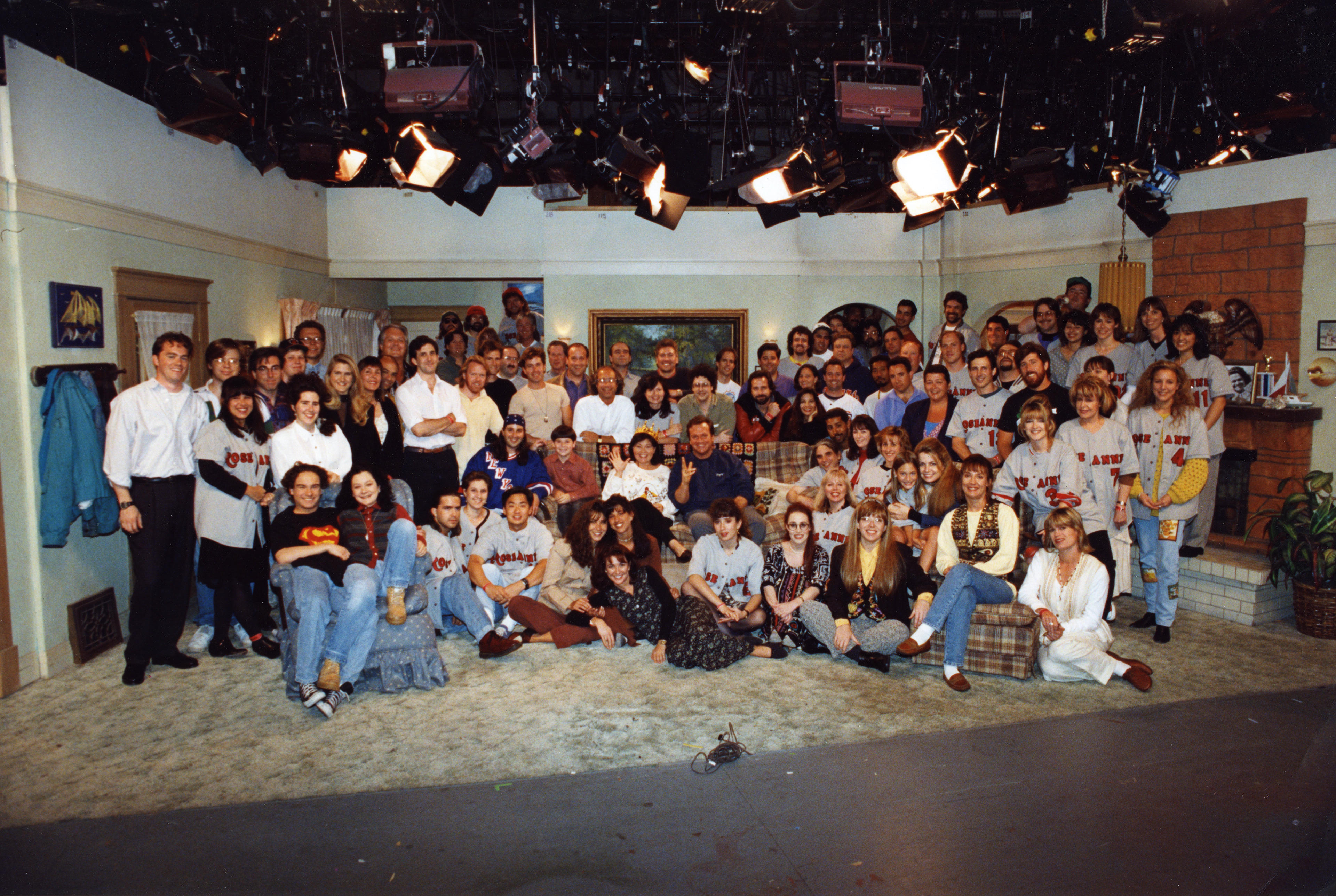
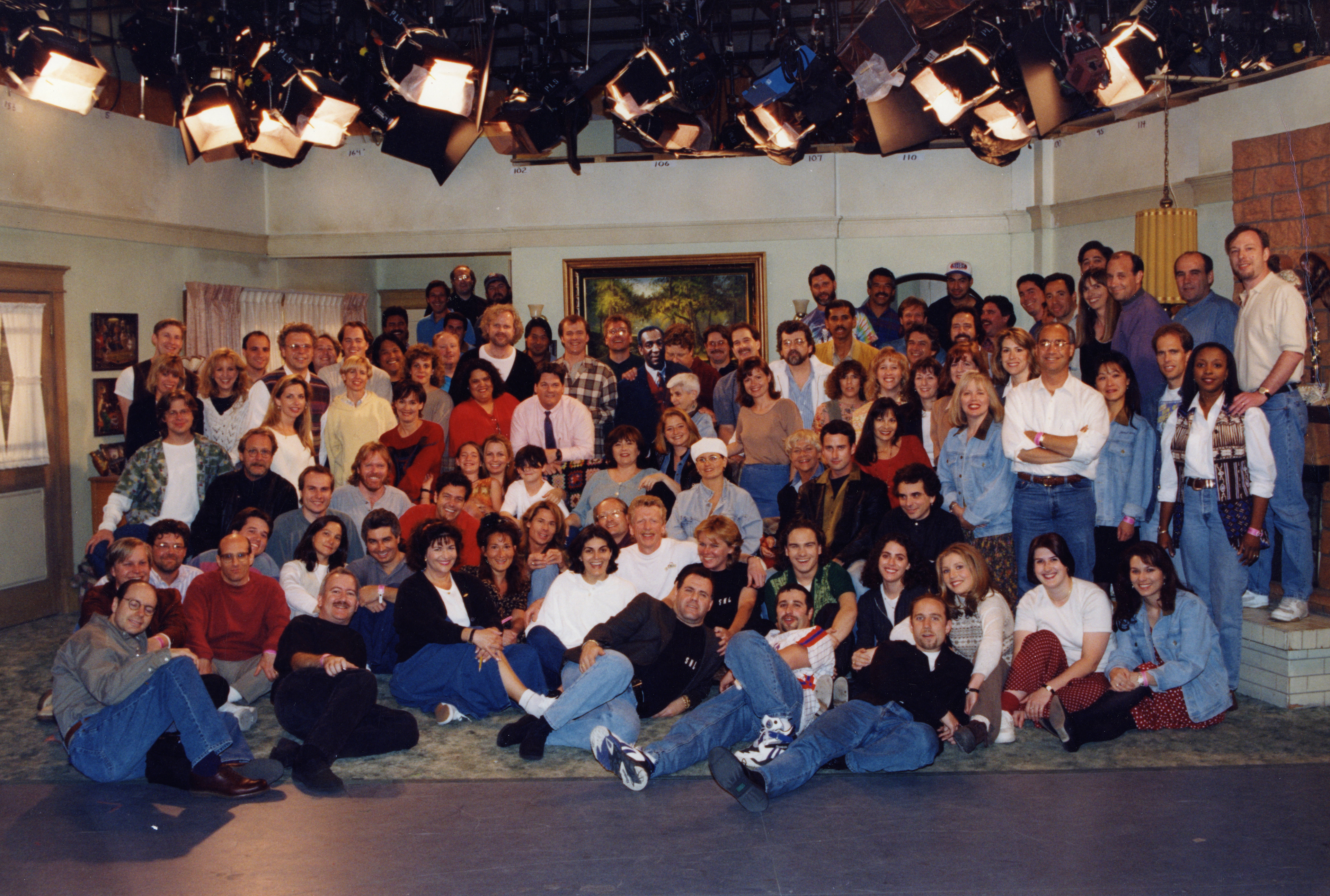
His most significant television achievement was Roseanne, for which he served as cinematographer and lighting designer across 196 episodes from 1988 through 1996. Flannery helped define the series’ distinctive visual identity, giving the Conner home warmth, texture, and a convincing sense of lived-in reality. His work demonstrated that a multi-camera comedy could retain its immediacy before a studio audience while possessing the visual richness and dramatic nuance associated with motion pictures. His contributions to Roseanne received four Primetime Emmy Award nominations, as well as recognition from the lighting and television-production industries, including the LDI Lighting Designer of the Year Award and an International Monitor Award.
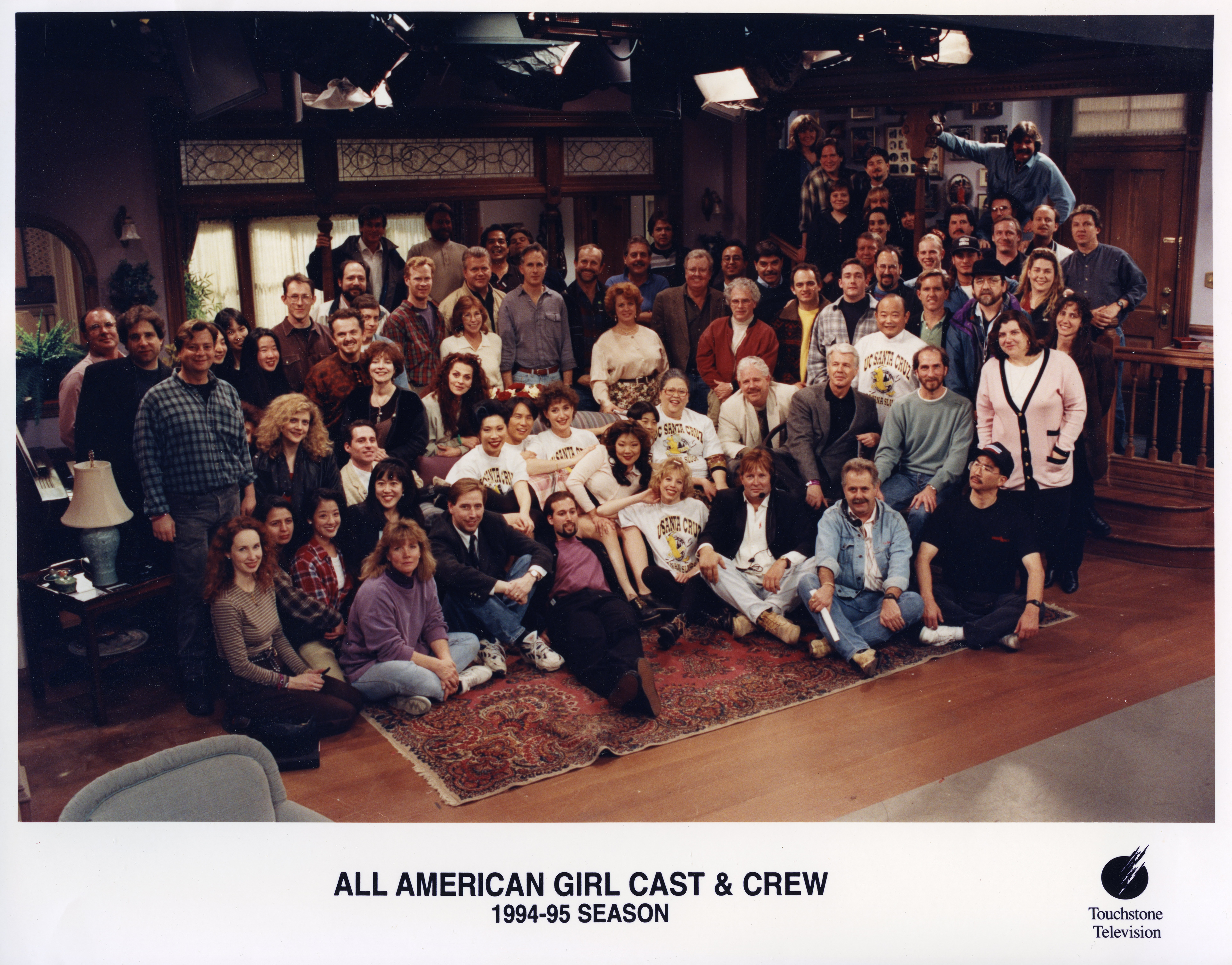
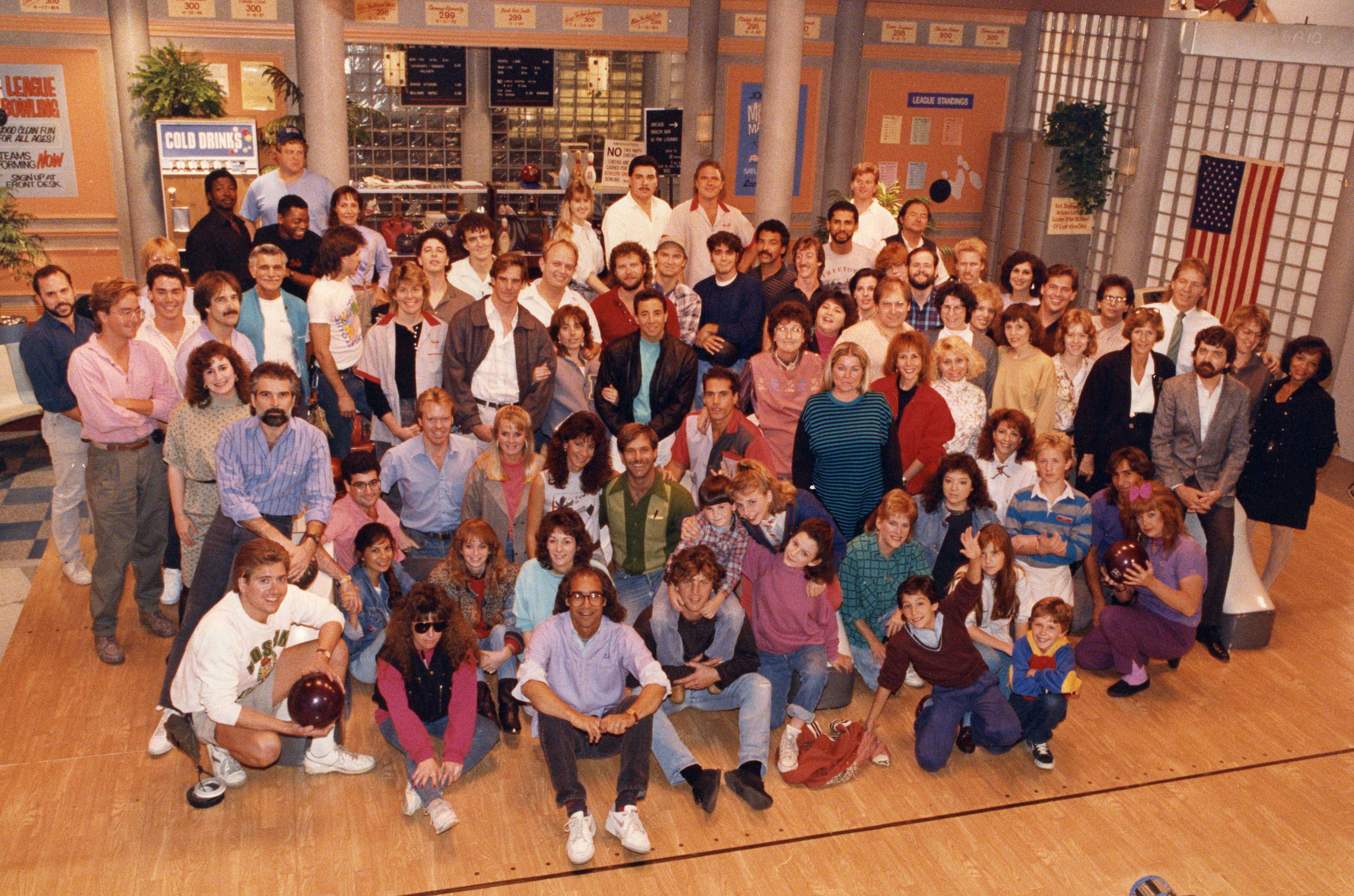
Flannery brought the same approach to numerous other television series, including Davis Rules, Baby Talk, The Man in the Family, Down the Shore, Joe’s Life, Grace Under Fire, Me and the Boys, All-American Girl, Someone Like Me, Reunited, Slamball, and Road to Slamball. Across these productions, he continually explored how cinematic lighting could be achieved within the speed, technical restrictions, and broad camera coverage of episodic television.
Throughout his television and film career, Daniel Flannery approached lighting not simply as exposure, but as a central element of storytelling. Whether photographing an intimate family comedy, a large television special, or a complex theatrical sequence for a feature film, his objective remained consistent: to give the image depth, atmosphere, emotional truth, and the expressive power of live theatre.

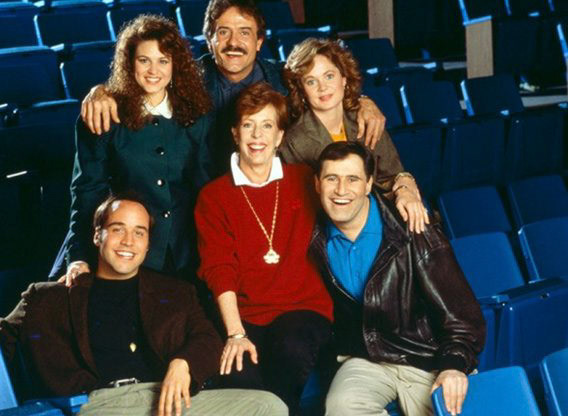
CAROL & COMPANY
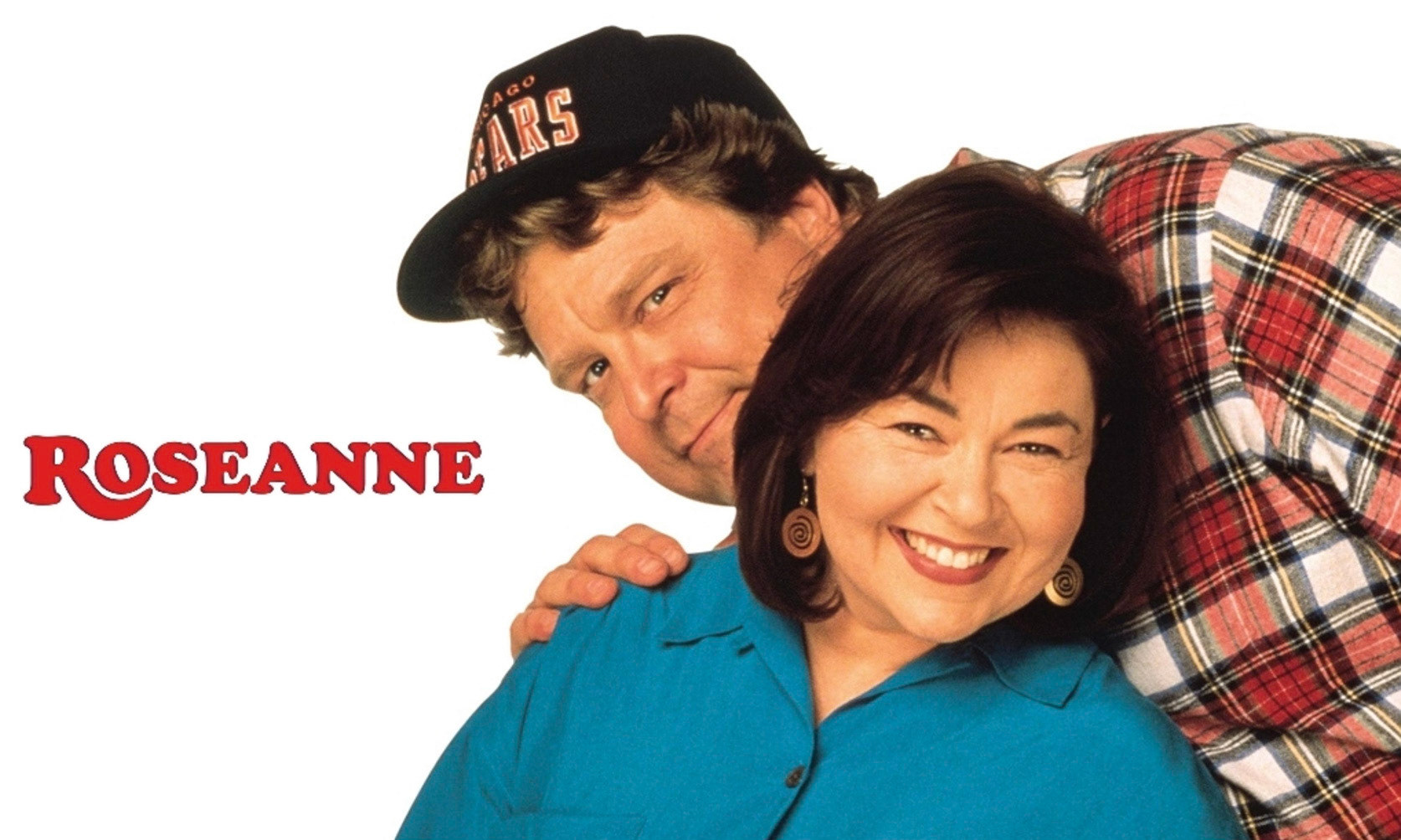

ROSEANNE

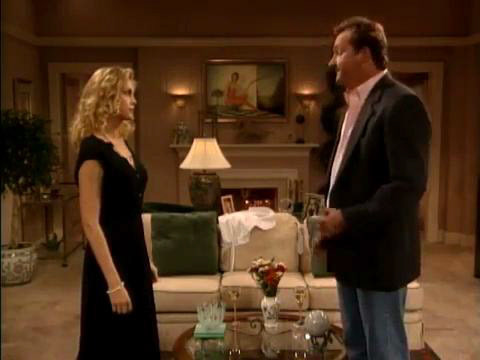
DAVIS RULES
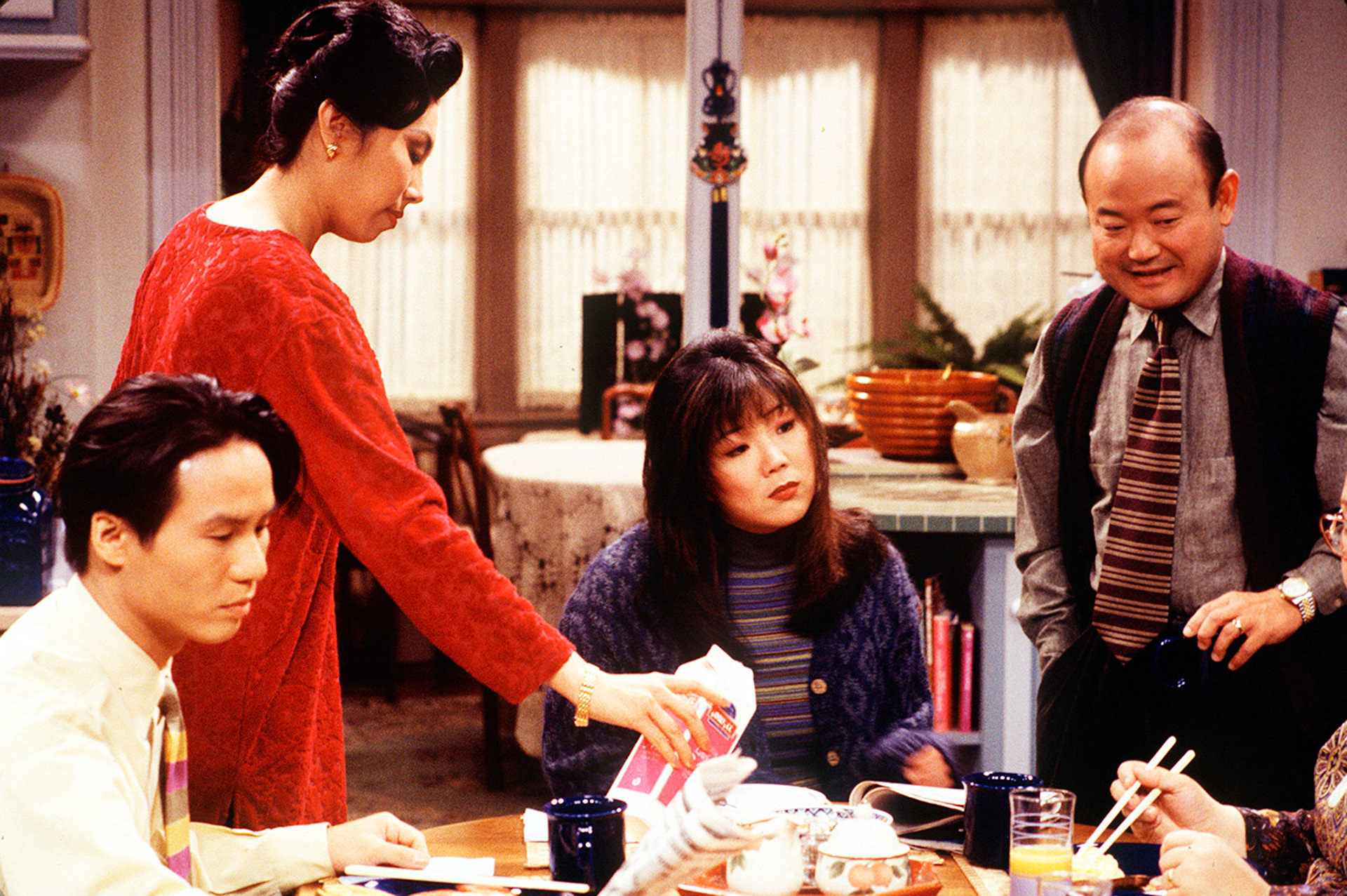
ALL-AMERICAN GIRL
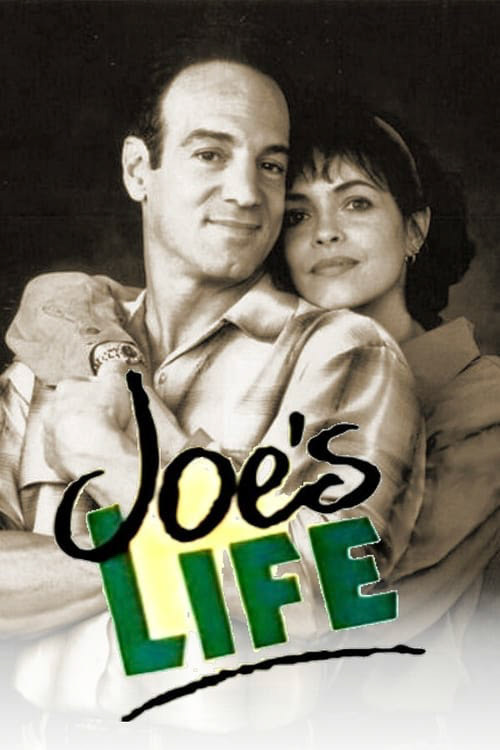
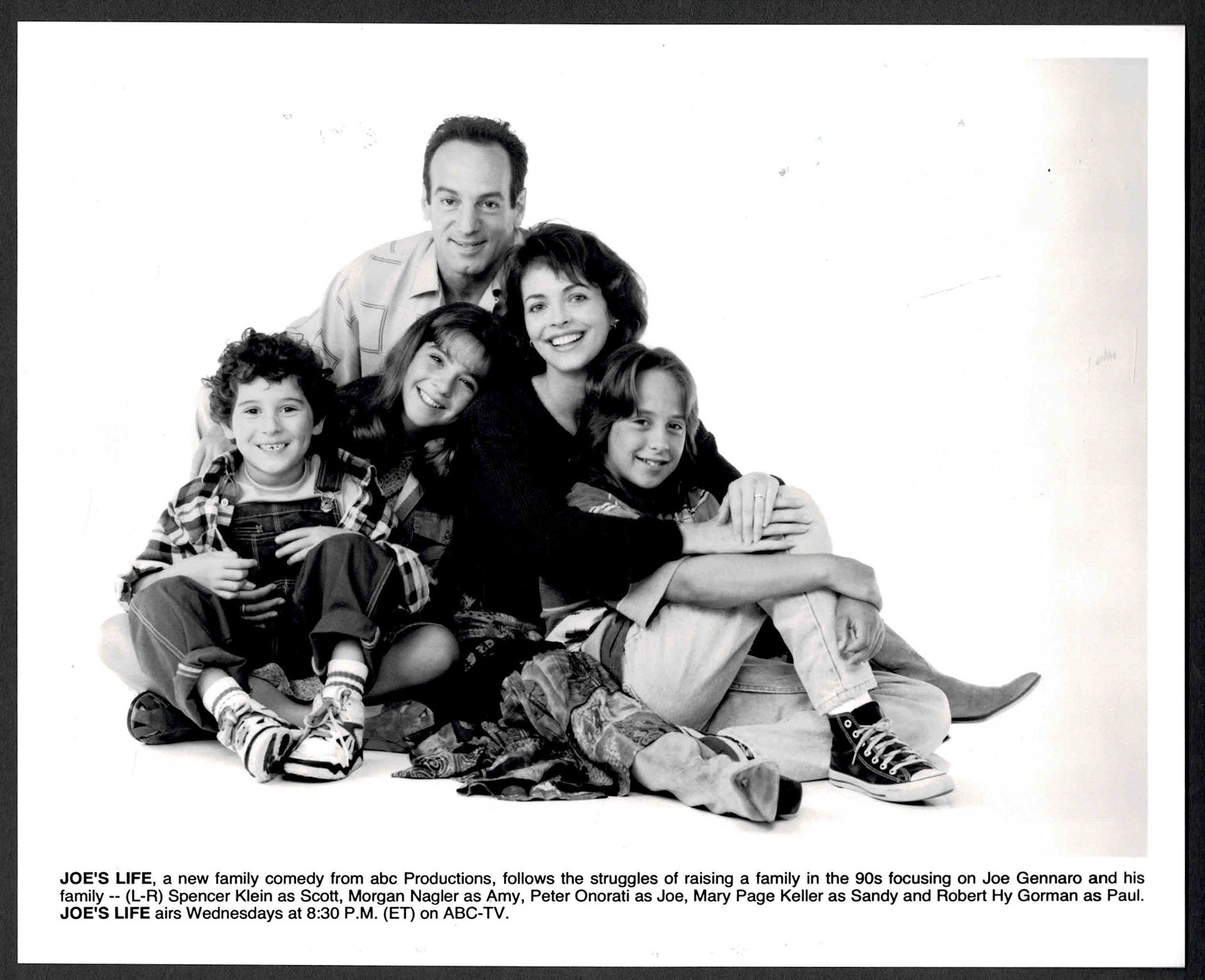
JOE'S LIFE
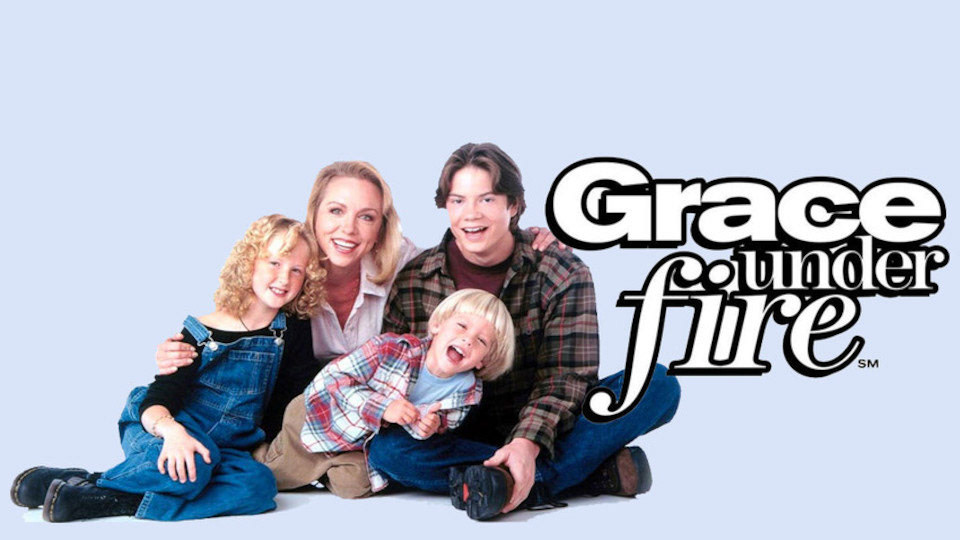
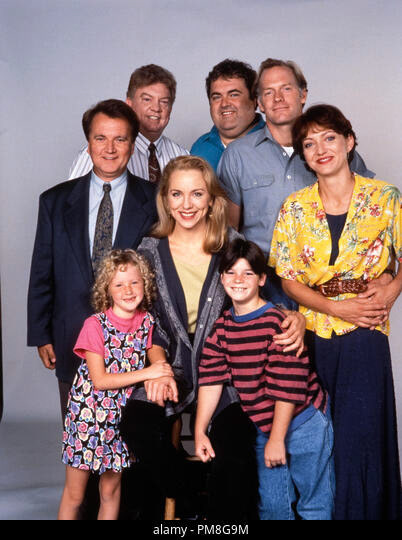
GRACE UNDER FIRE
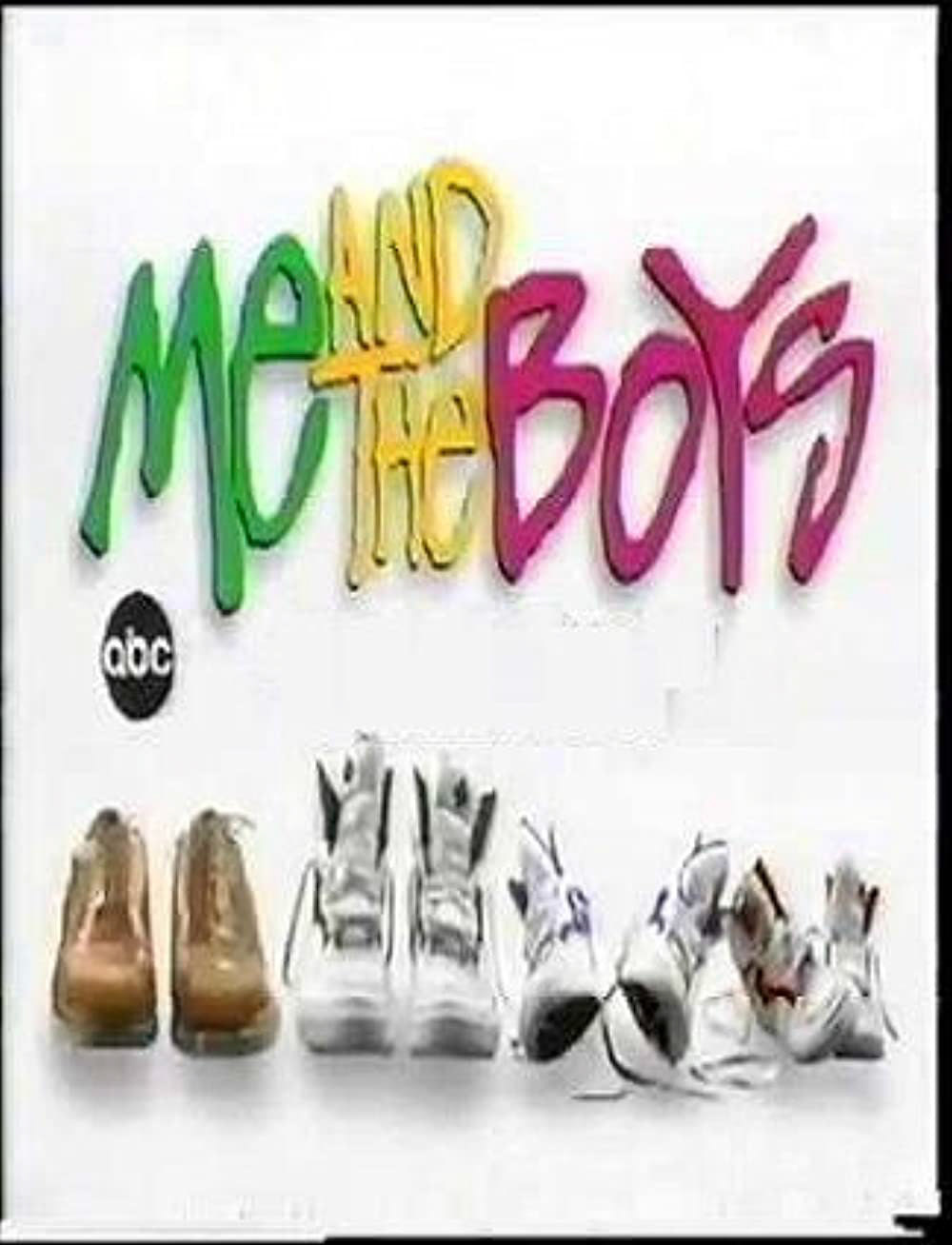
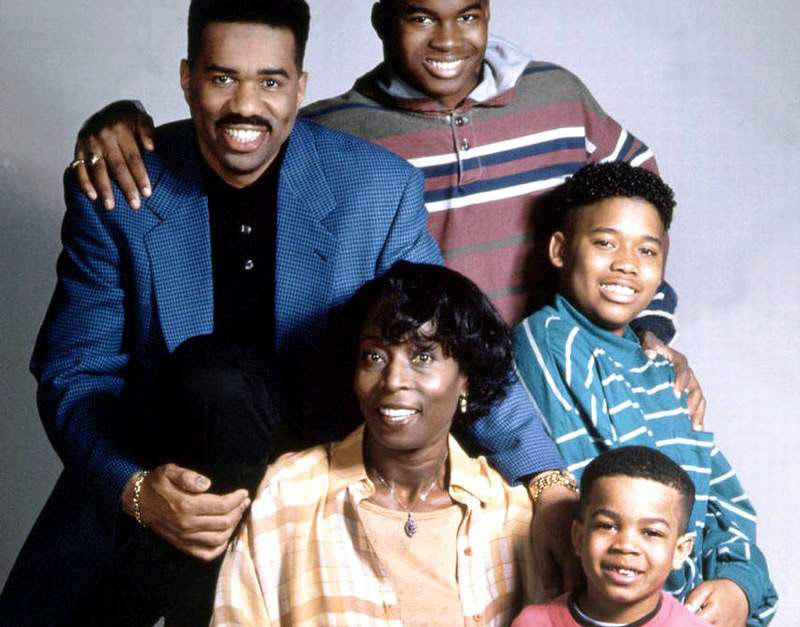
ME AND THE BOYS
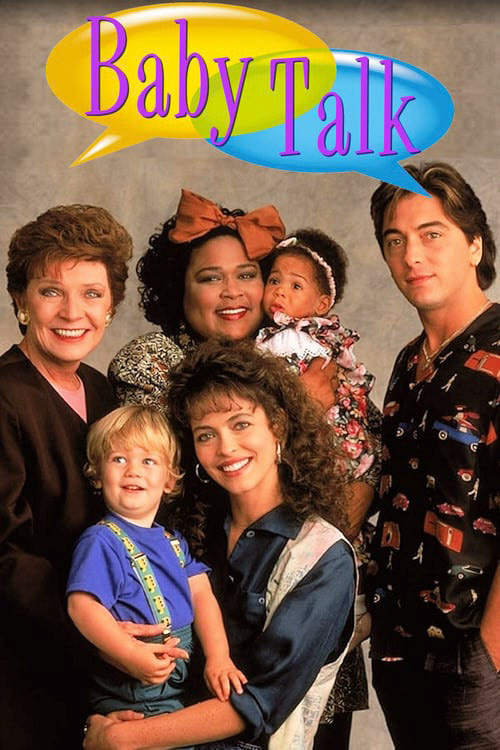

BABY TALK
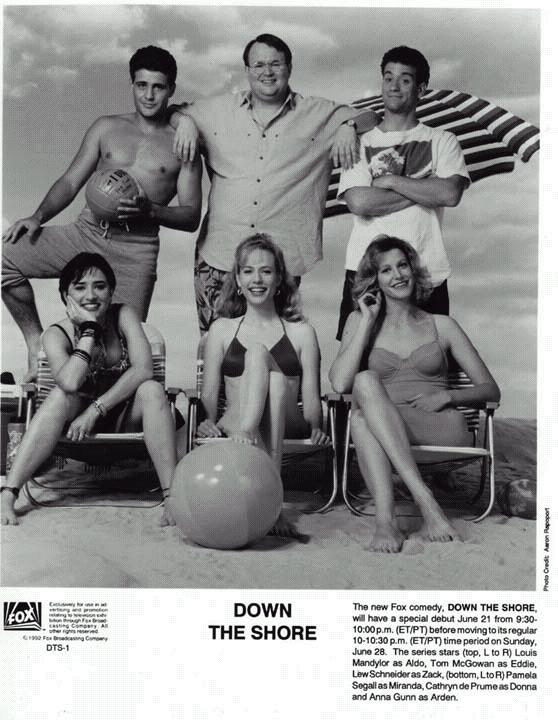

MAN OF THE HOUSE
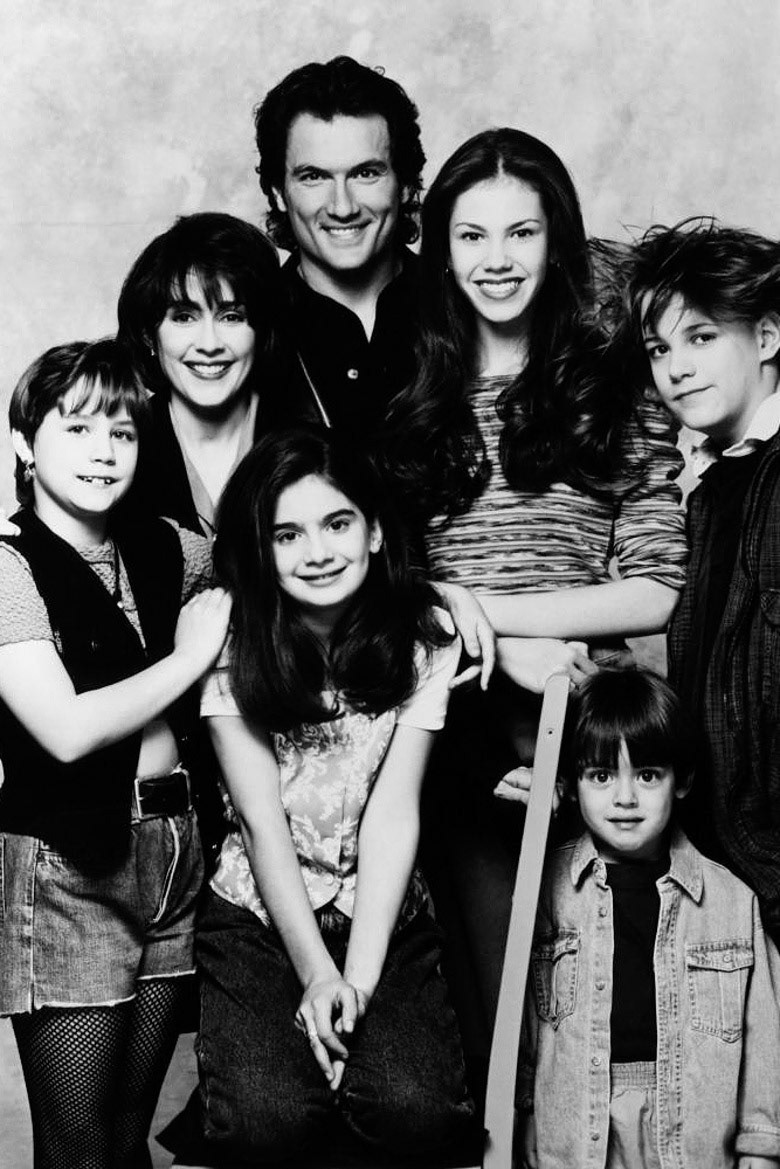
GABY
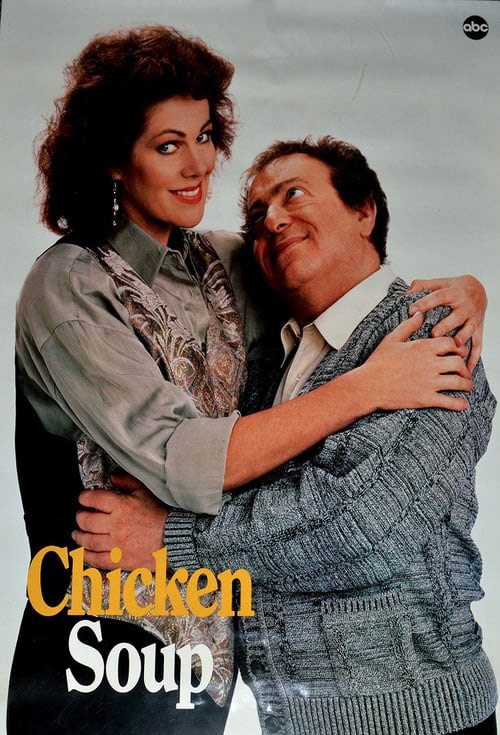

CHICKEN SOUP
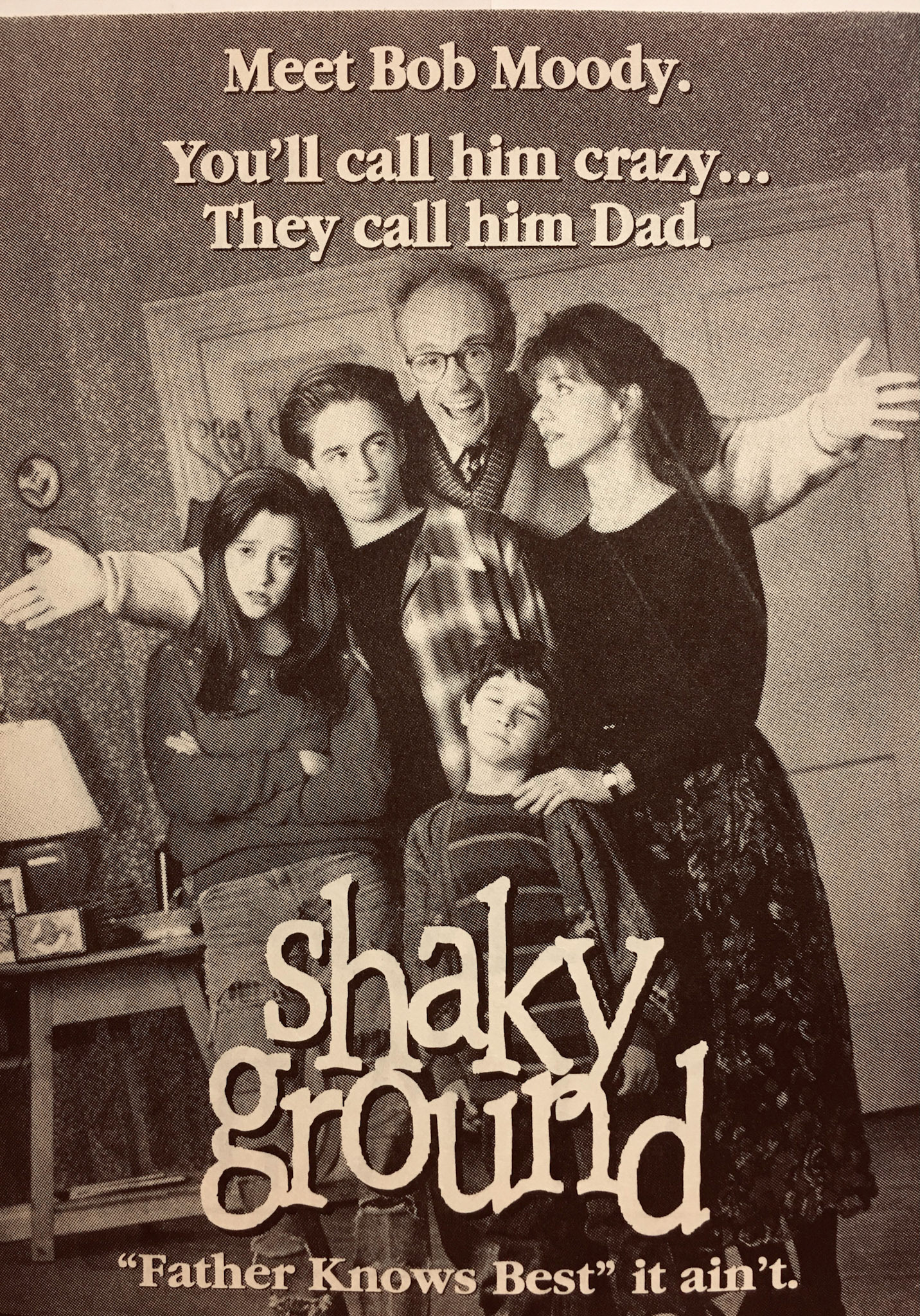
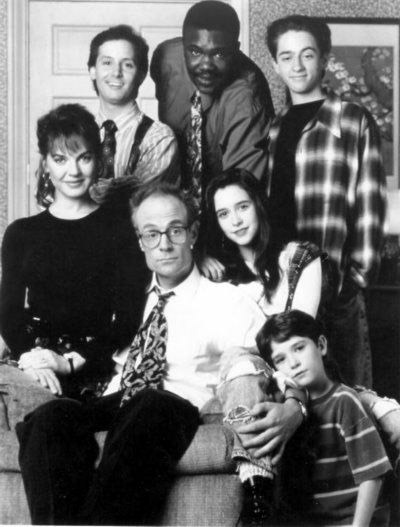
SHAKY GROUND
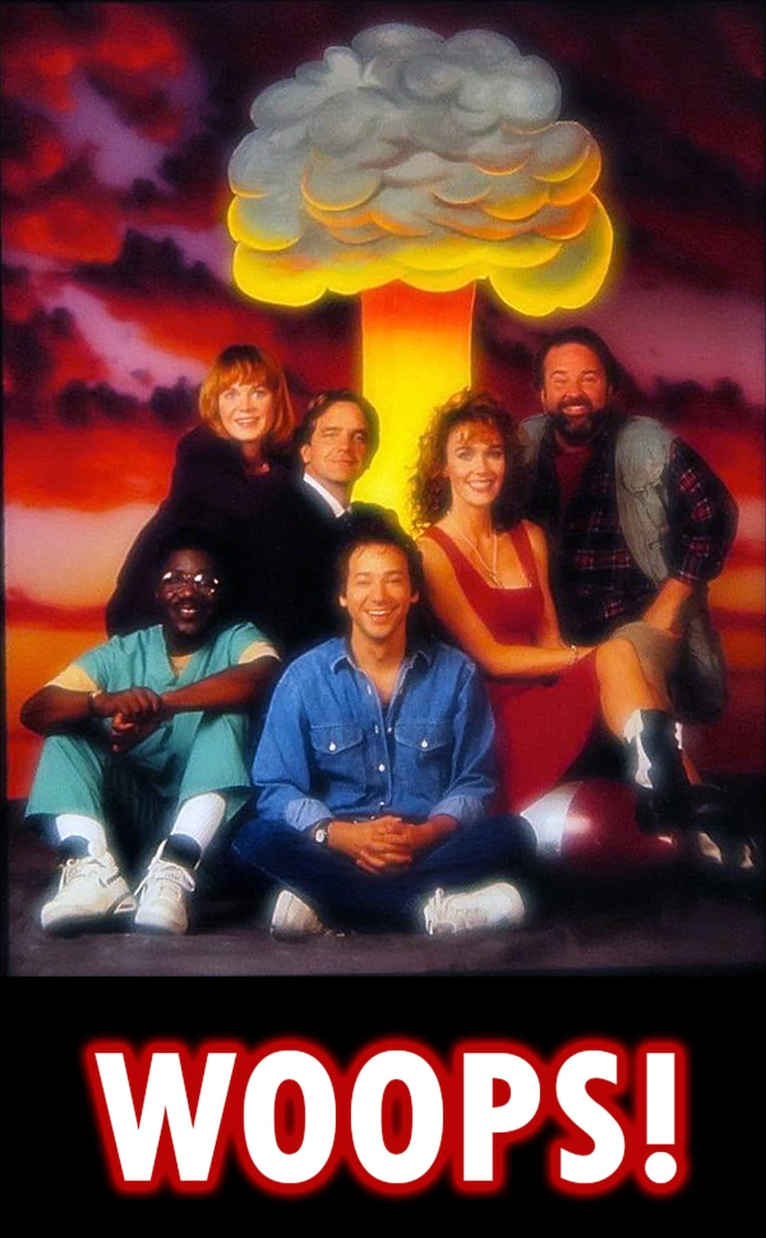
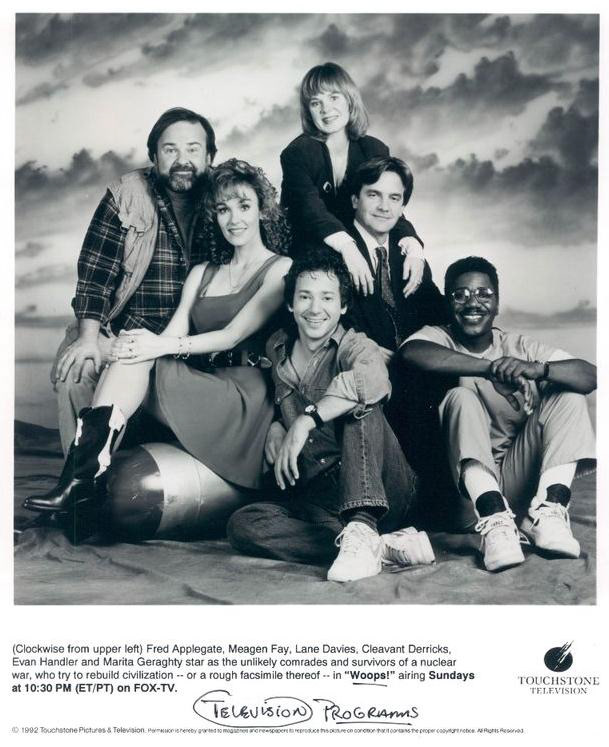

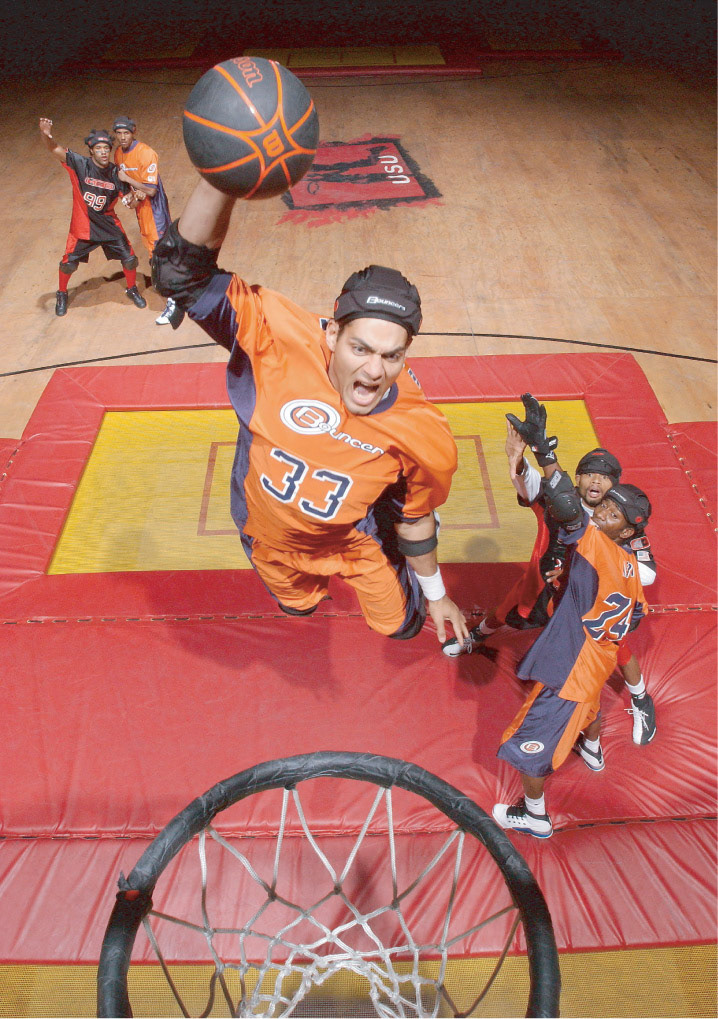
SLAMBALL
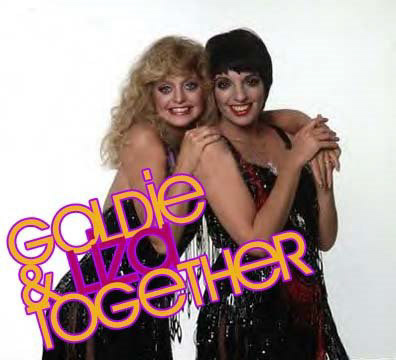
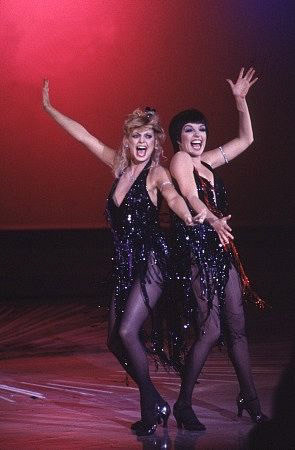
GOLDIE & LIZA TOGETHER
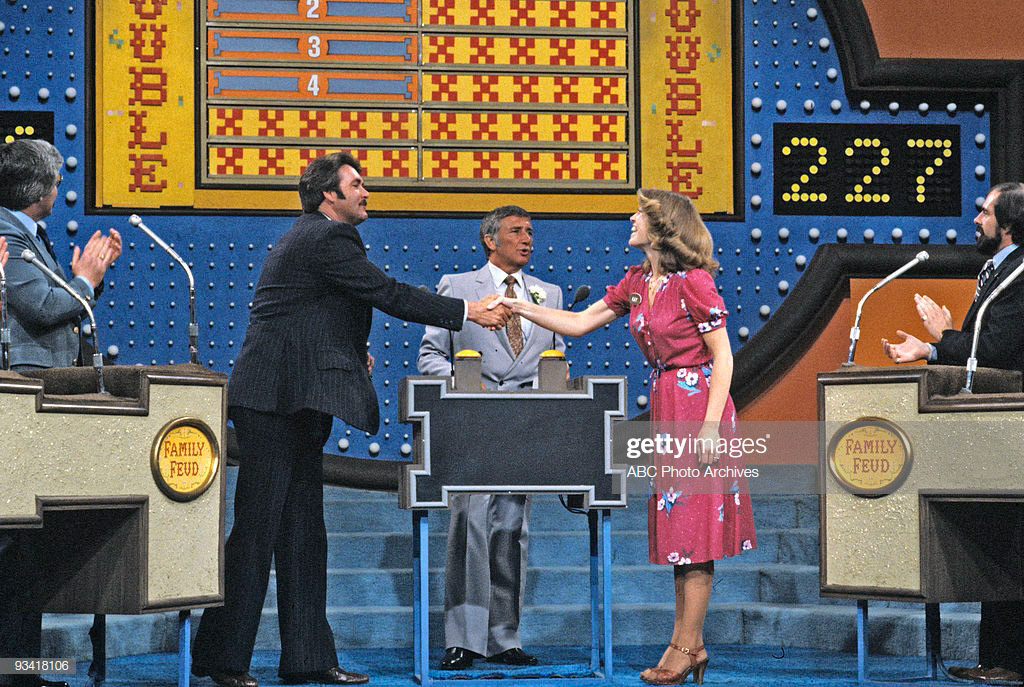
FAMILY FEUD
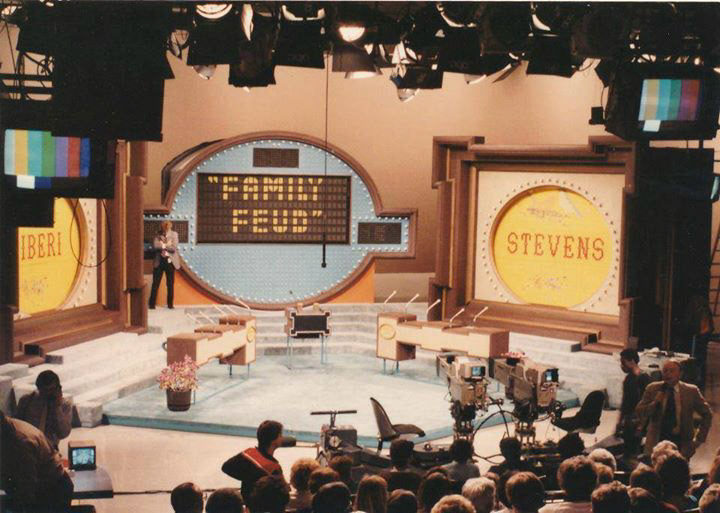
FAMILY FEUD
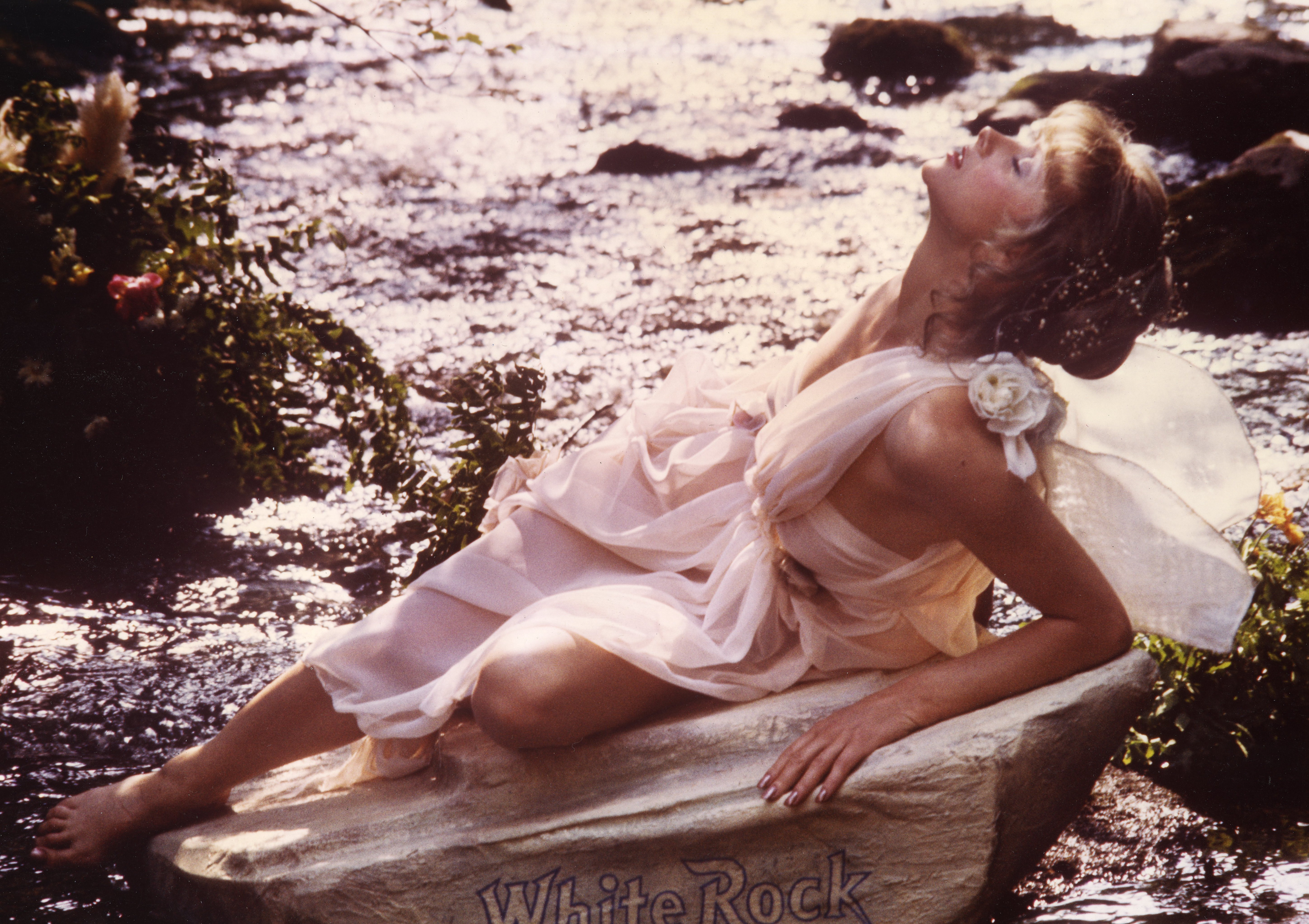
White Rock Commercials
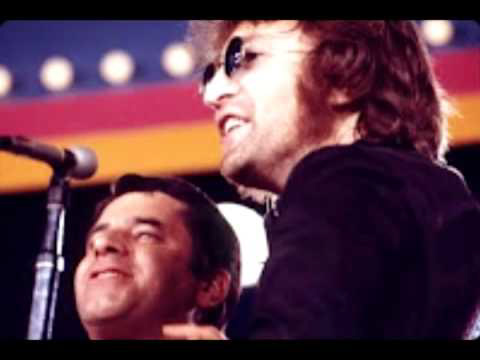
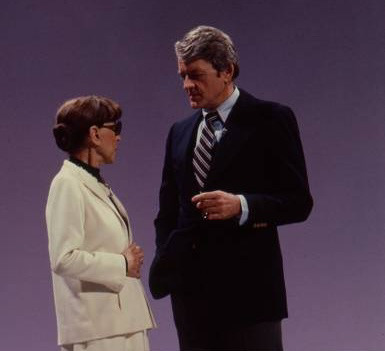
OMNIBUS
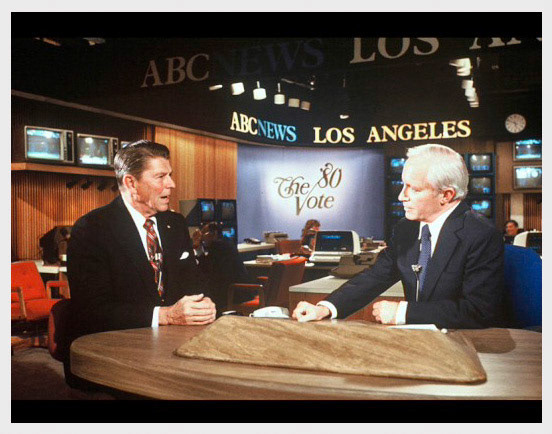
Lighting design - ABC News studio Los Angeles