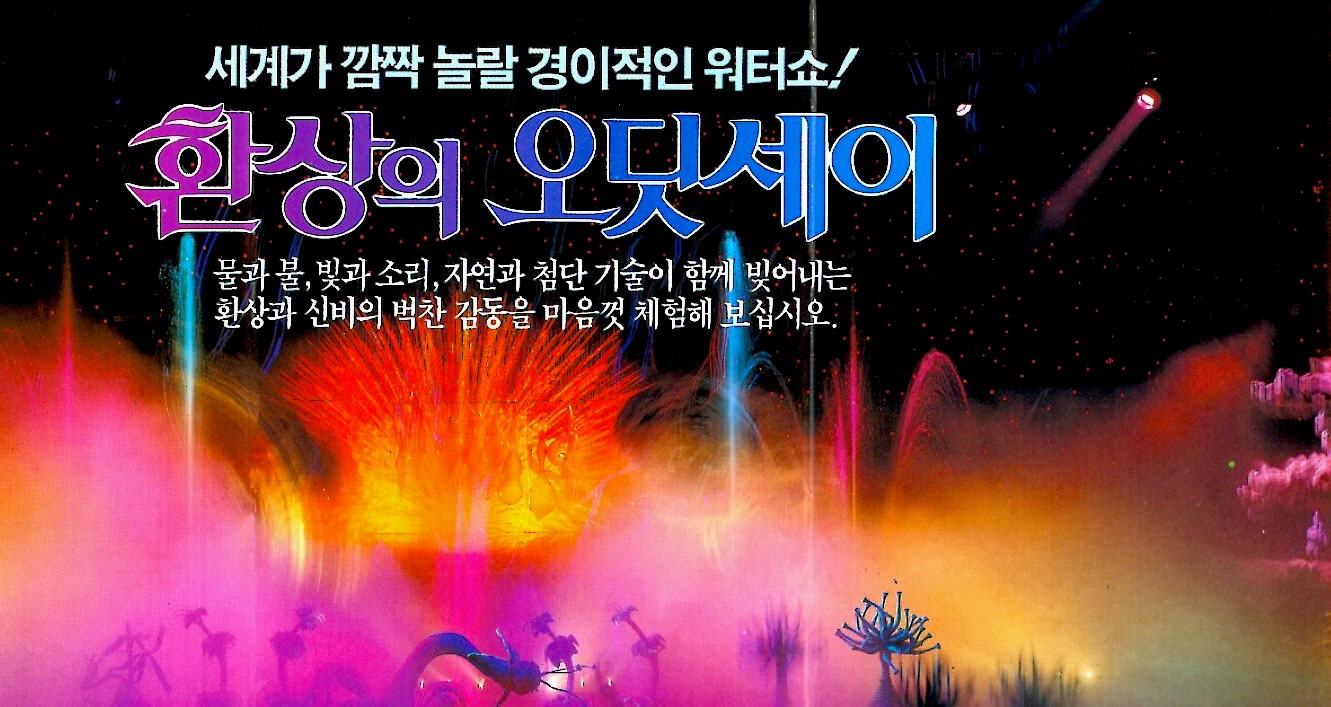


The origins of Daniel Flannery’s Fantastic Odyssey can be traced to the extraordinary success of Water Fantasium, the theatrical water spectacle he created for the Dairinkai Pavilion at Japan’s 1990 International Garden and Greenery Exposition in Osaka. Combining water, music, lighting, automated scenic elements and theatrical storytelling, Water Fantasium was widely identified by the Japanese media as one of the exposition’s leading attractions. The chairman of South Korea’s Lotte Group was particularly captivated by the production, reportedly returning to see it more than a dozen times and regarding it as his favorite attraction at the Expo.
When Lotte was required to create a corporate pavilion for the 1993 World Expo in Taejon—now spelled Daejeon—the chairman personally approached Flannery with the idea of reproducing Water Fantasium in Korea. Flannery declined to replicate the earlier attraction. He believed that each international exposition should possess its own creative identity and that a new pavilion demanded an original work reflecting new ideas rather than a reproduction of a previous success.
Instead, Flannery accepted Lotte’s commission with a more ambitious proposition: he would employ some of the same theatrical resources—water, light, music, automation, scenic transformation and special effects—to create an experience entirely different in character and narrative. His objective was to demonstrate that these elements constituted a theatrical vocabulary rather than a fixed formula.
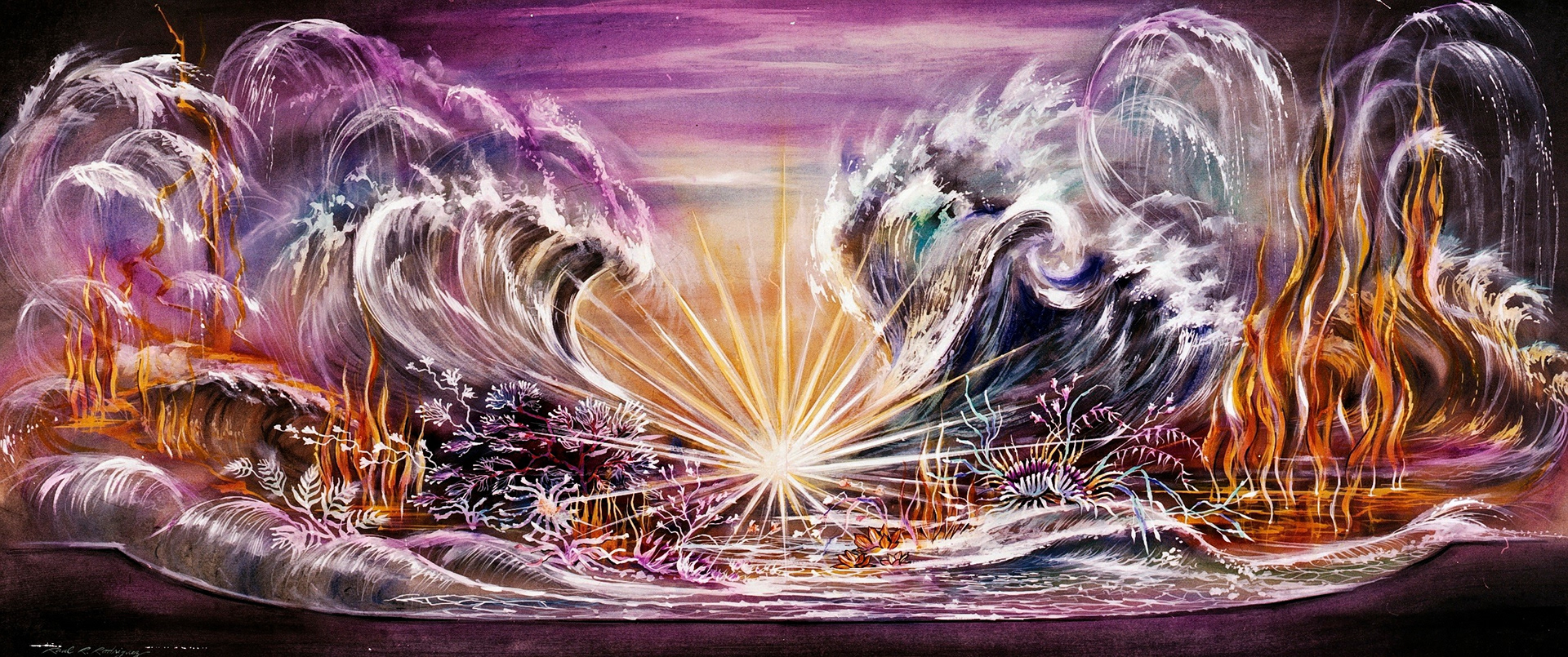
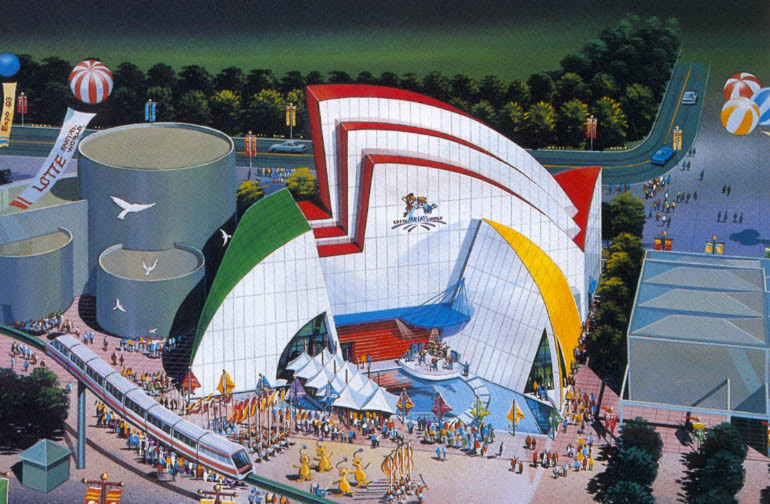
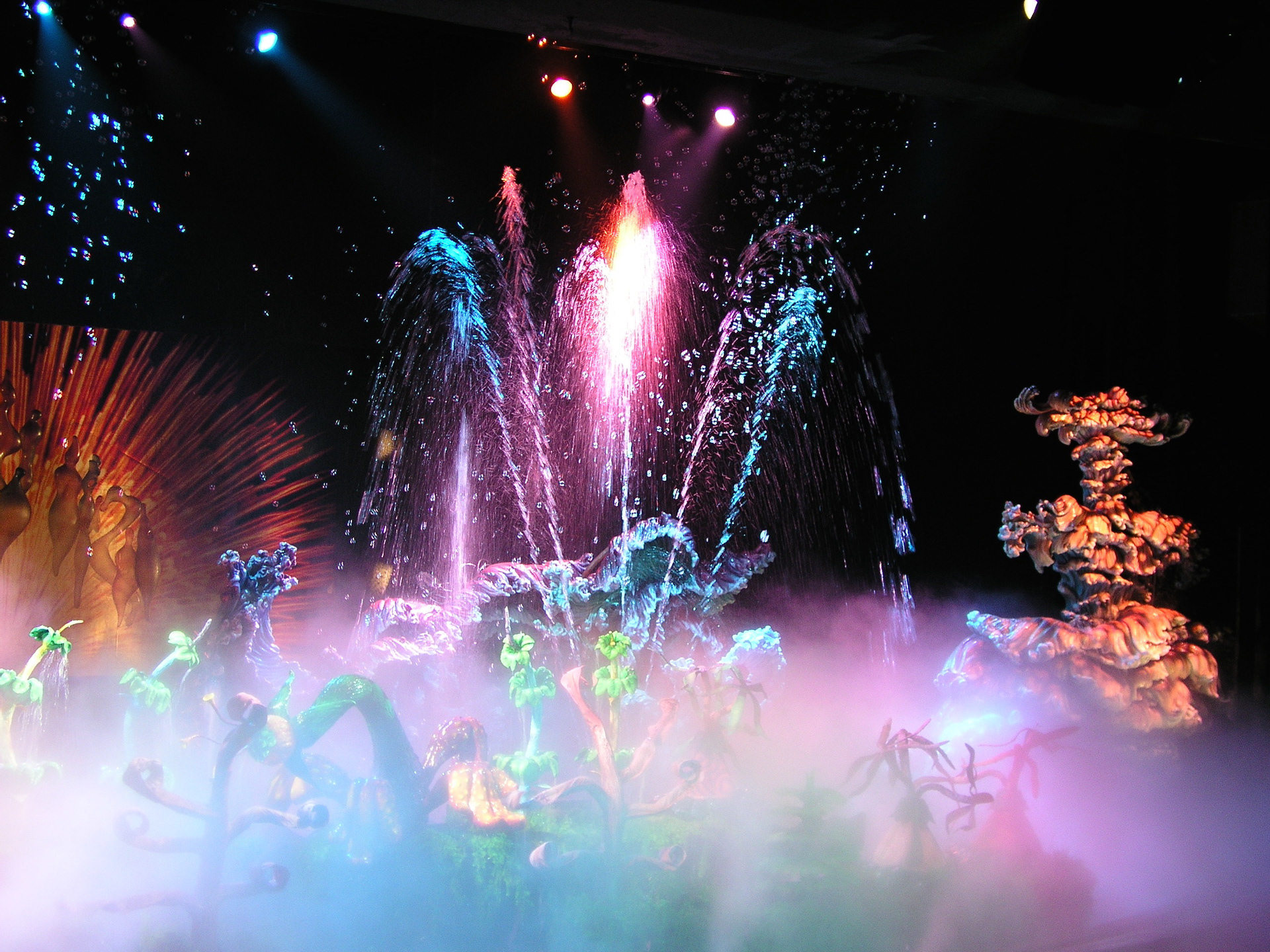
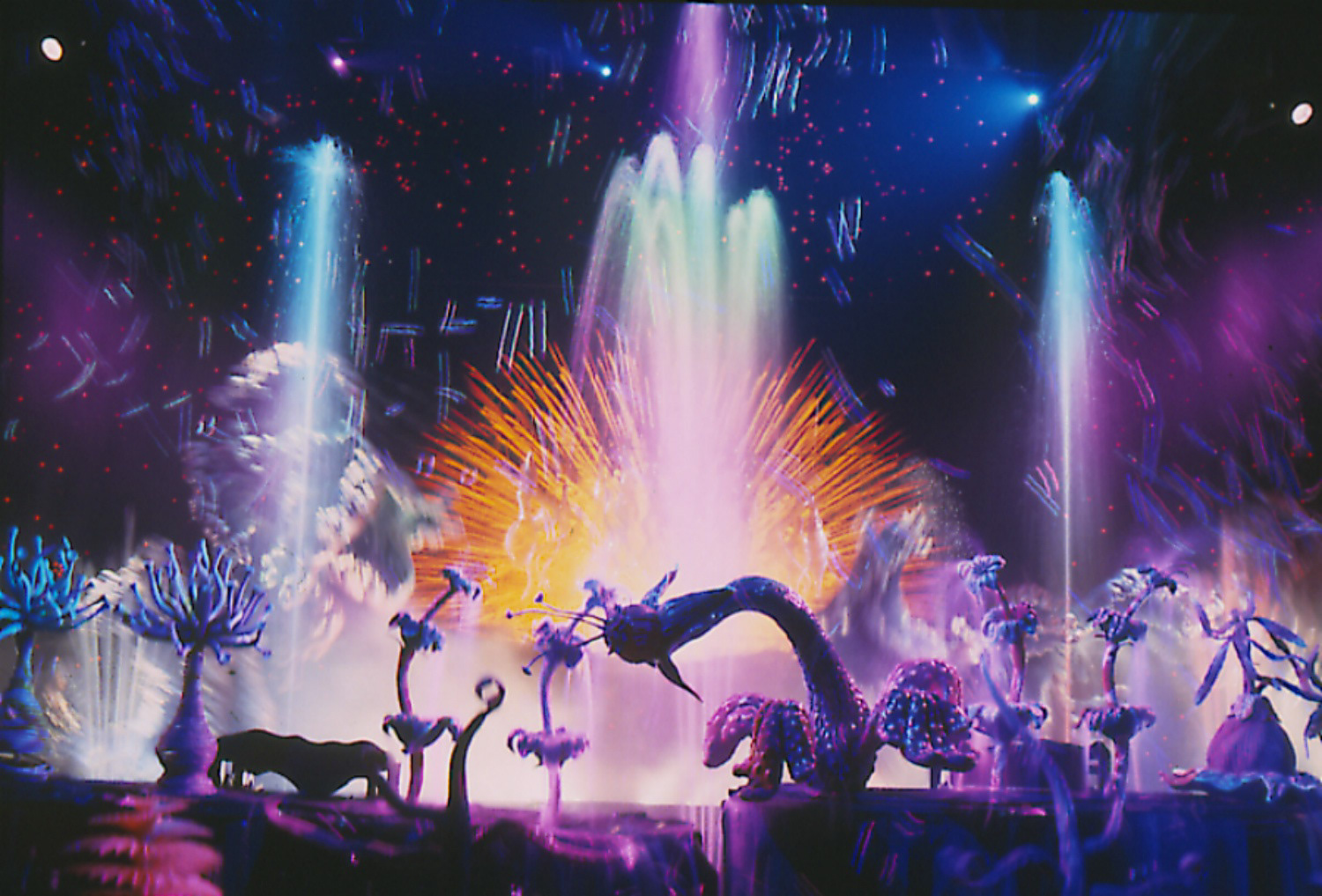
The result was Fantastic Odyssey, conceived, written, directed and scenographically designed by Flannery as the principal attraction of Lotte’s Fantasy World Pavilion. Where Water Fantasium had been bright, celebratory and musical, Fantastic Odyssey entered a darker and more mysterious imaginative world. It unfolded as a mythic narrative in which an enchanted sea awakens, reveals its strange inhabitants and is ultimately threatened by the destructive force of fire. Water became both setting and character, transformed through theatrical lighting, music, scenic illusion, automation and large-scale special effects.
The work confirmed Flannery’s central creative premise: identical production media could be reorganized through story, atmosphere, rhythm and design to produce an entirely new emotional experience. Fantastic Odyssey did not imitate Water Fantasium; it became its dramatic opposite—a shadowed aquatic fable shaped by danger, transformation and renewal.
When Lotte was required to create a corporate pavilion for the 1993 World Expo in Taejon—now spelled Daejeon—the chairman personally approached Flannery with the idea of reproducing Water Fantasium in Korea. Flannery declined to replicate the earlier attraction. He believed that each international exposition should possess its own creative identity and that a new pavilion demanded an original work reflecting new ideas rather than a reproduction of a previous success.
Instead, Flannery accepted Lotte’s commission with a more ambitious proposition: he would employ some of the same theatrical resources—water, light, music, automation, scenic transformation and special effects—to create an experience entirely different in character and narrative. His objective was to demonstrate that these elements constituted a theatrical vocabulary rather than a fixed formula.
The result was Fantastic Odyssey, conceived, written, directed and scenographically designed by Flannery as the principal attraction of Lotte’s Fantasy World Pavilion. Where Water Fantasium had been bright, celebratory and musical, Fantastic Odyssey entered a darker and more mysterious imaginative world. It unfolded as a mythic narrative in which an enchanted sea awakens, reveals its strange inhabitants and is ultimately threatened by the destructive force of fire. Water became both setting and character, transformed through theatrical lighting, music, scenic illusion, automation and large-scale special effects.
The work confirmed Flannery’s central creative premise: identical production media could be reorganized through story, atmosphere, rhythm and design to produce an entirely new emotional experience. Fantastic Odyssey did not imitate Water Fantasium; it became its dramatic opposite—a shadowed aquatic fable shaped by danger, transformation and renewal.
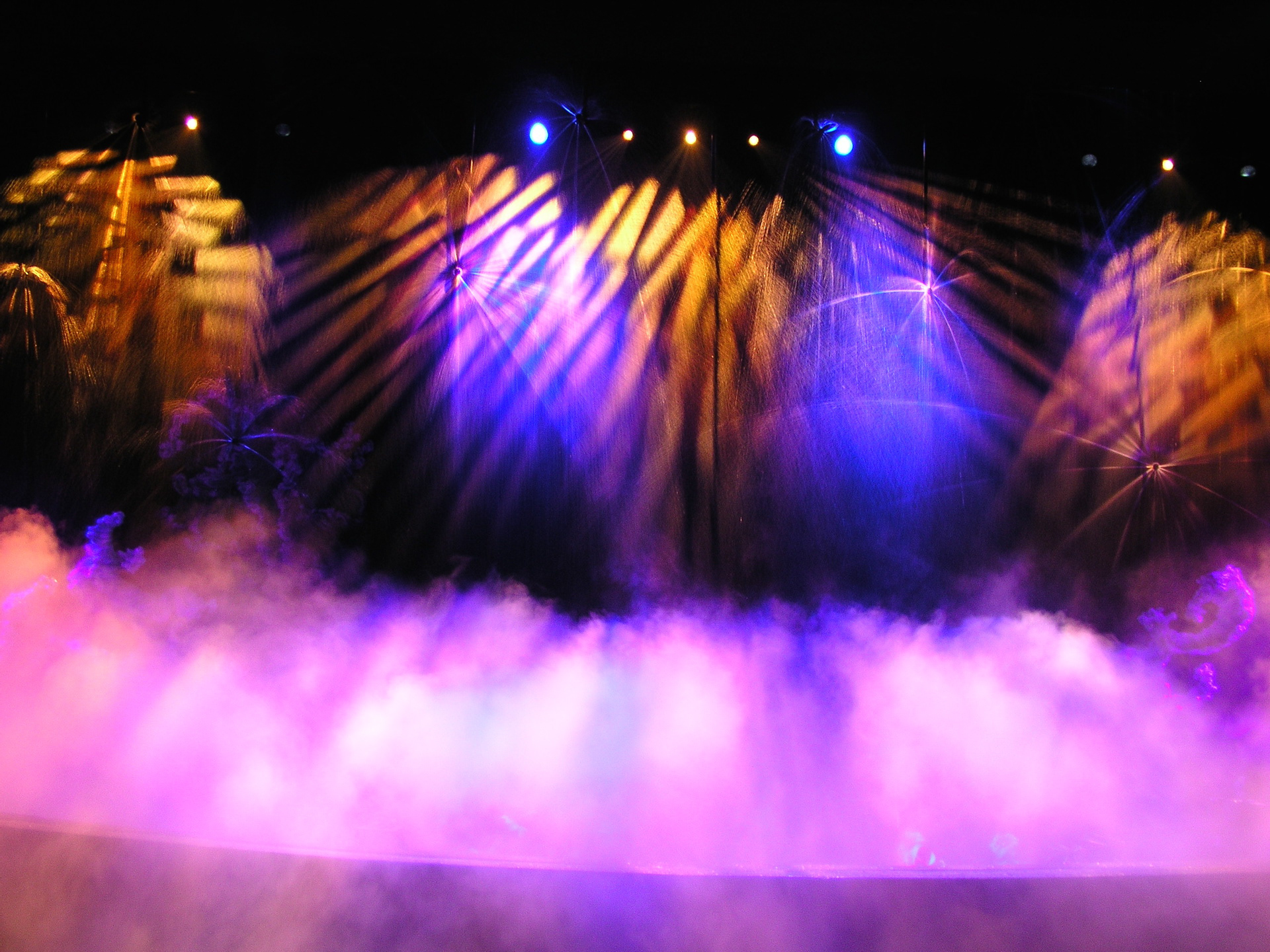
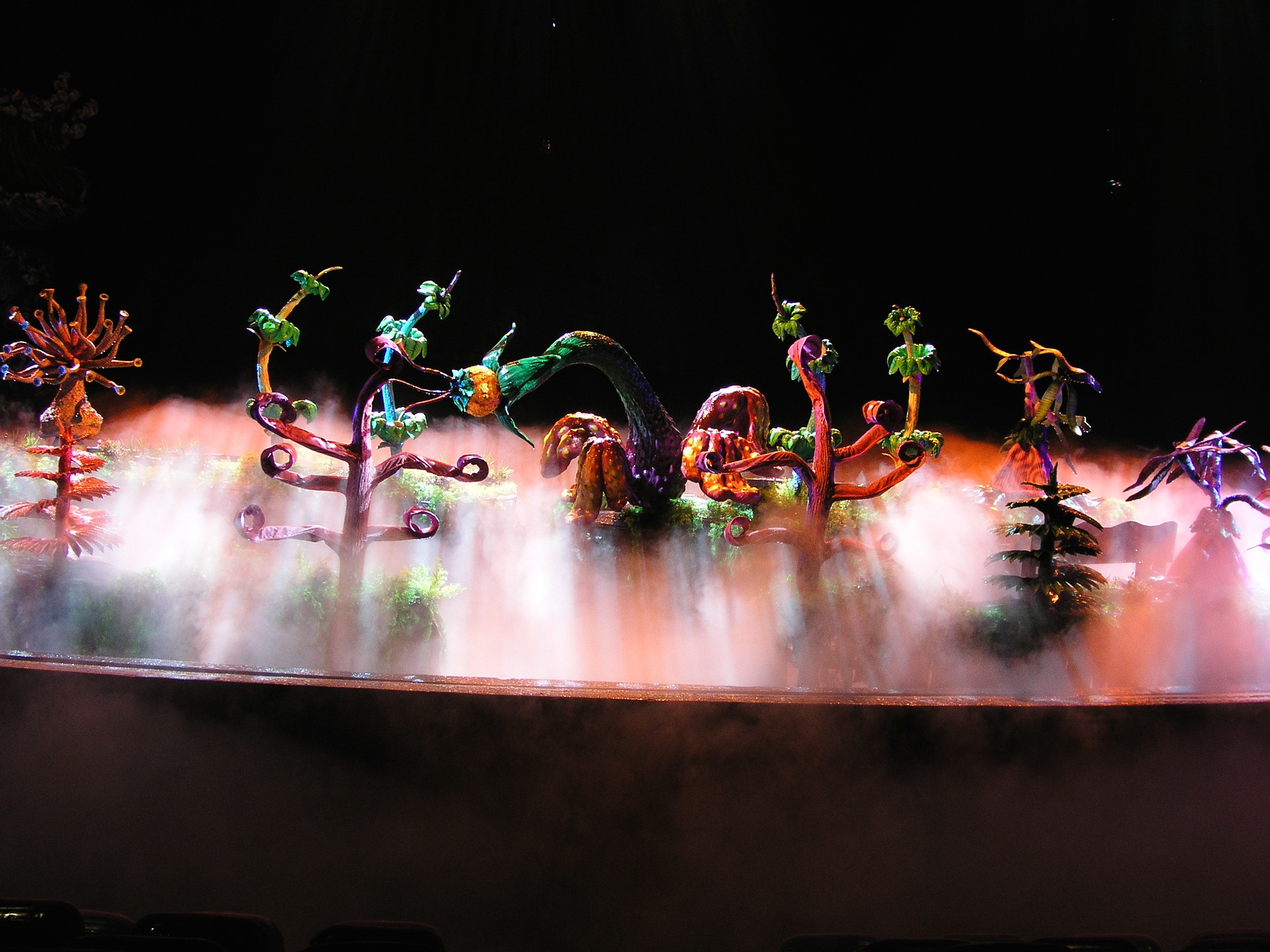
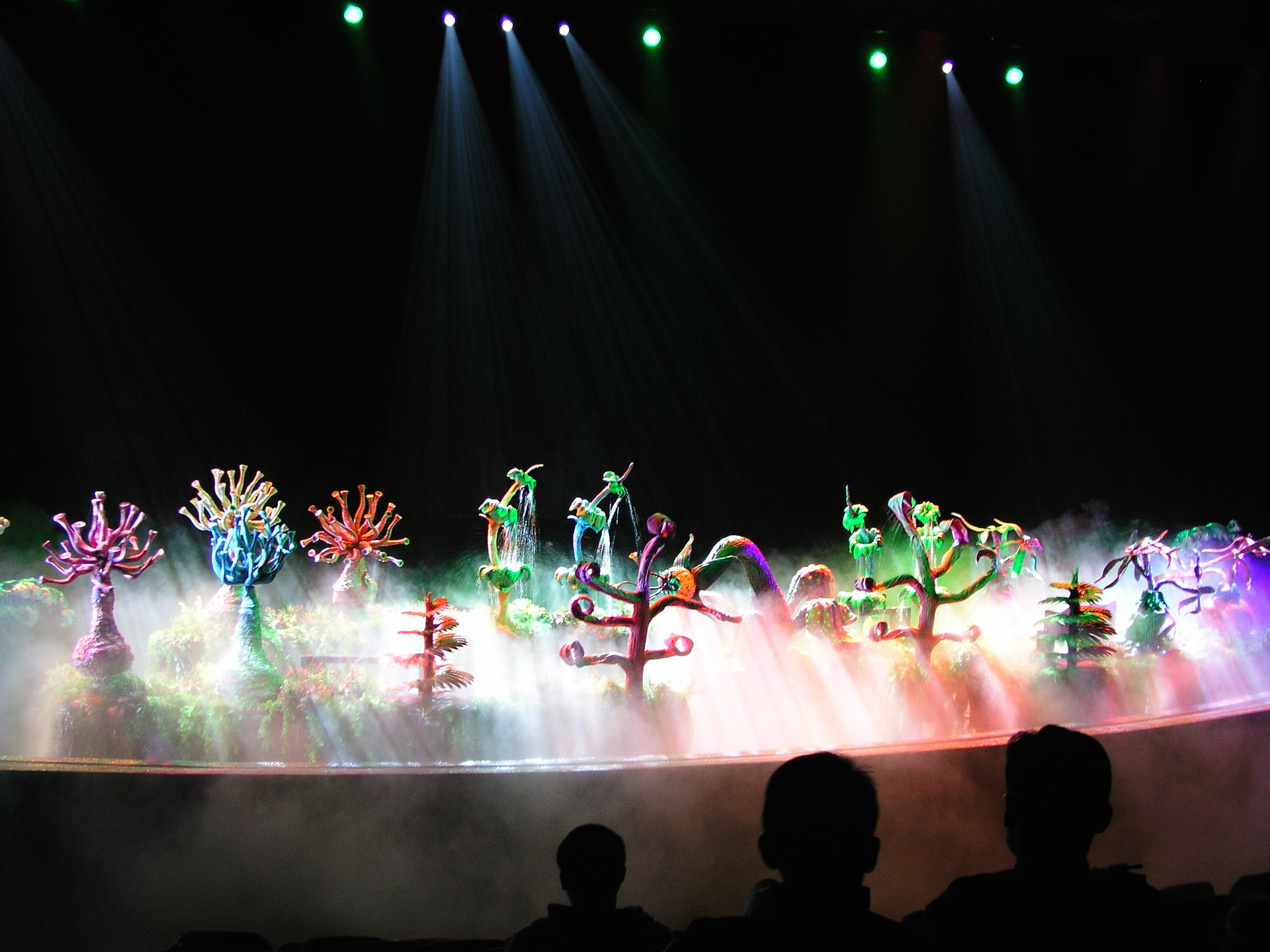
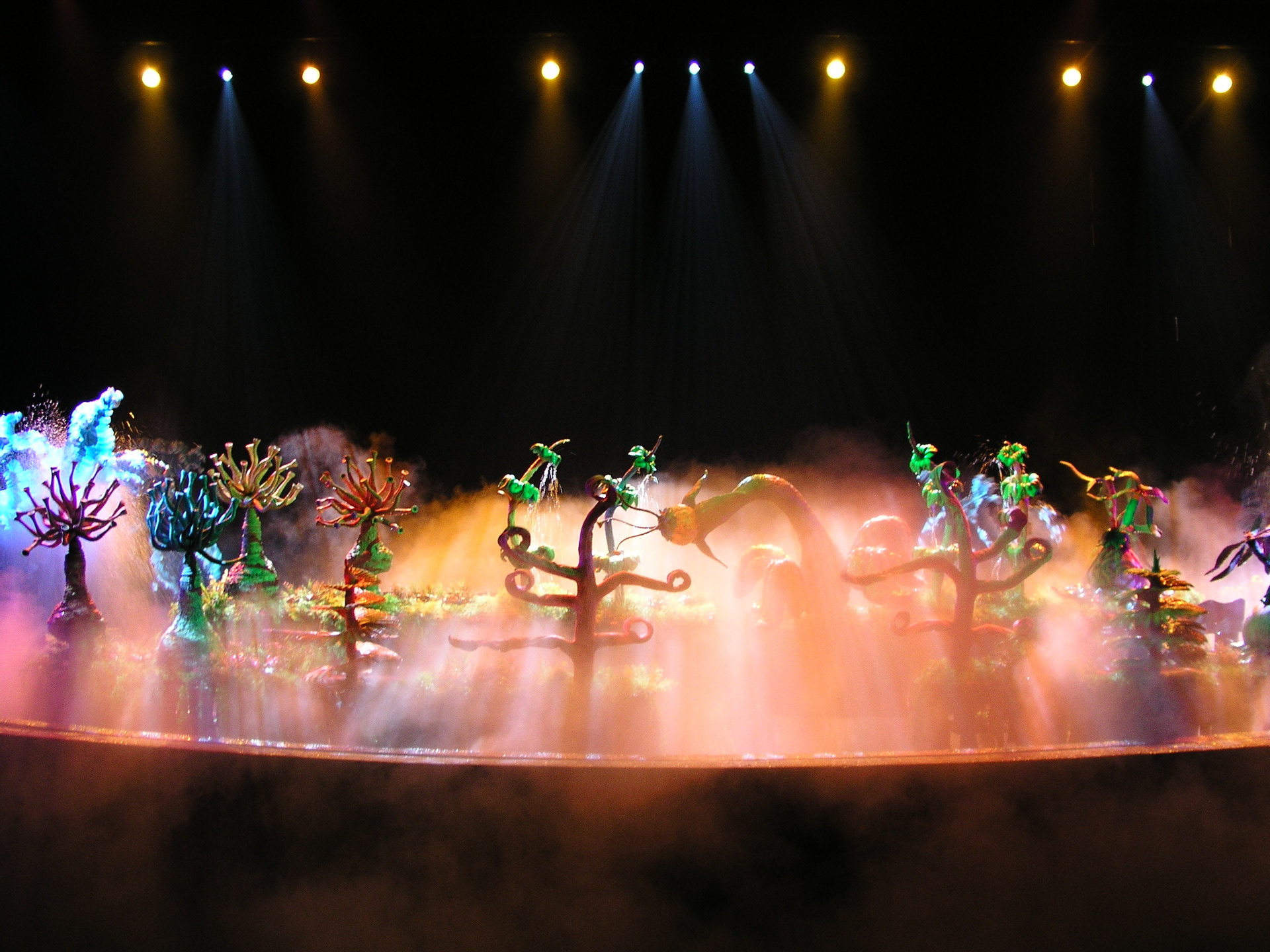
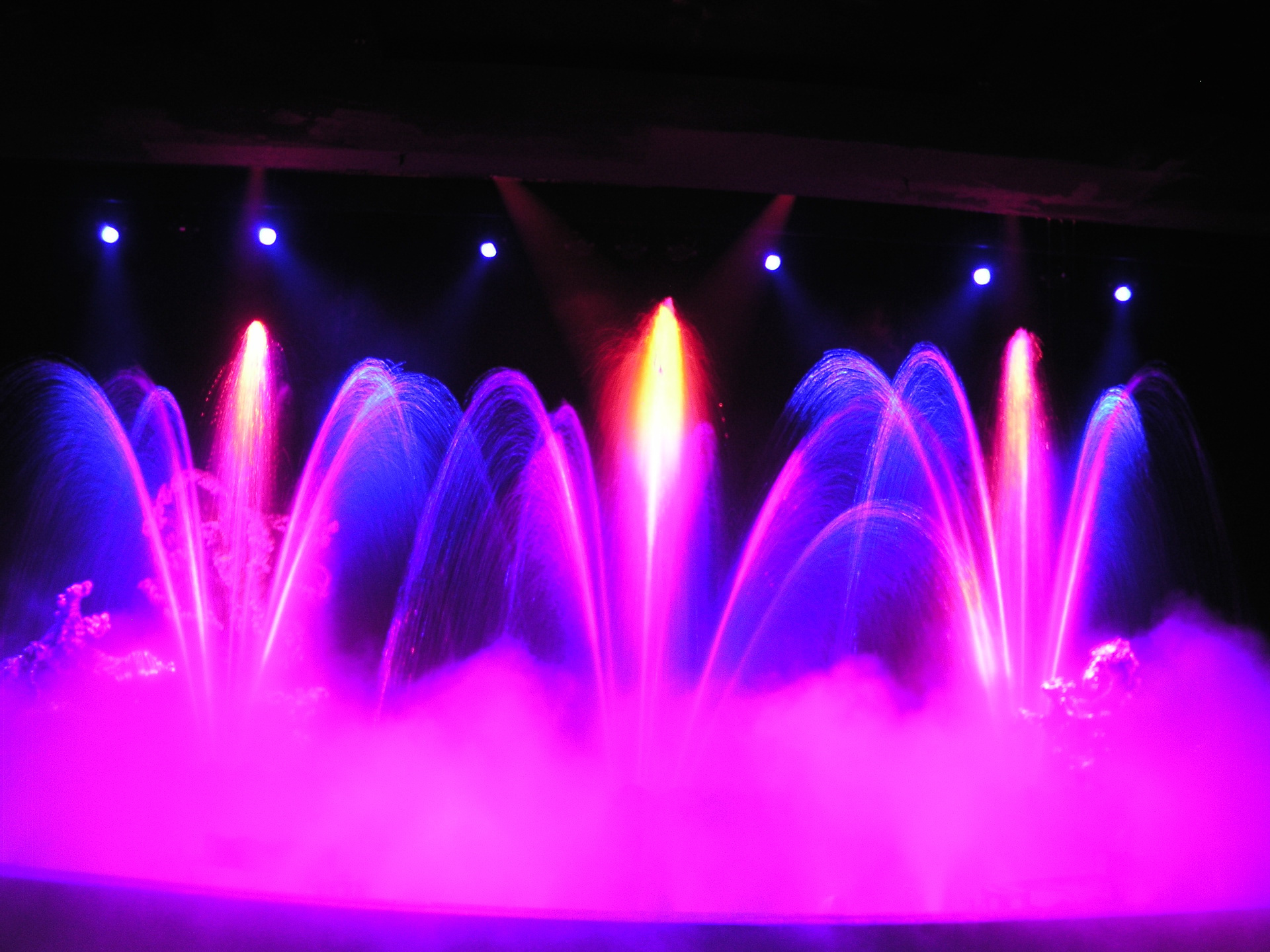
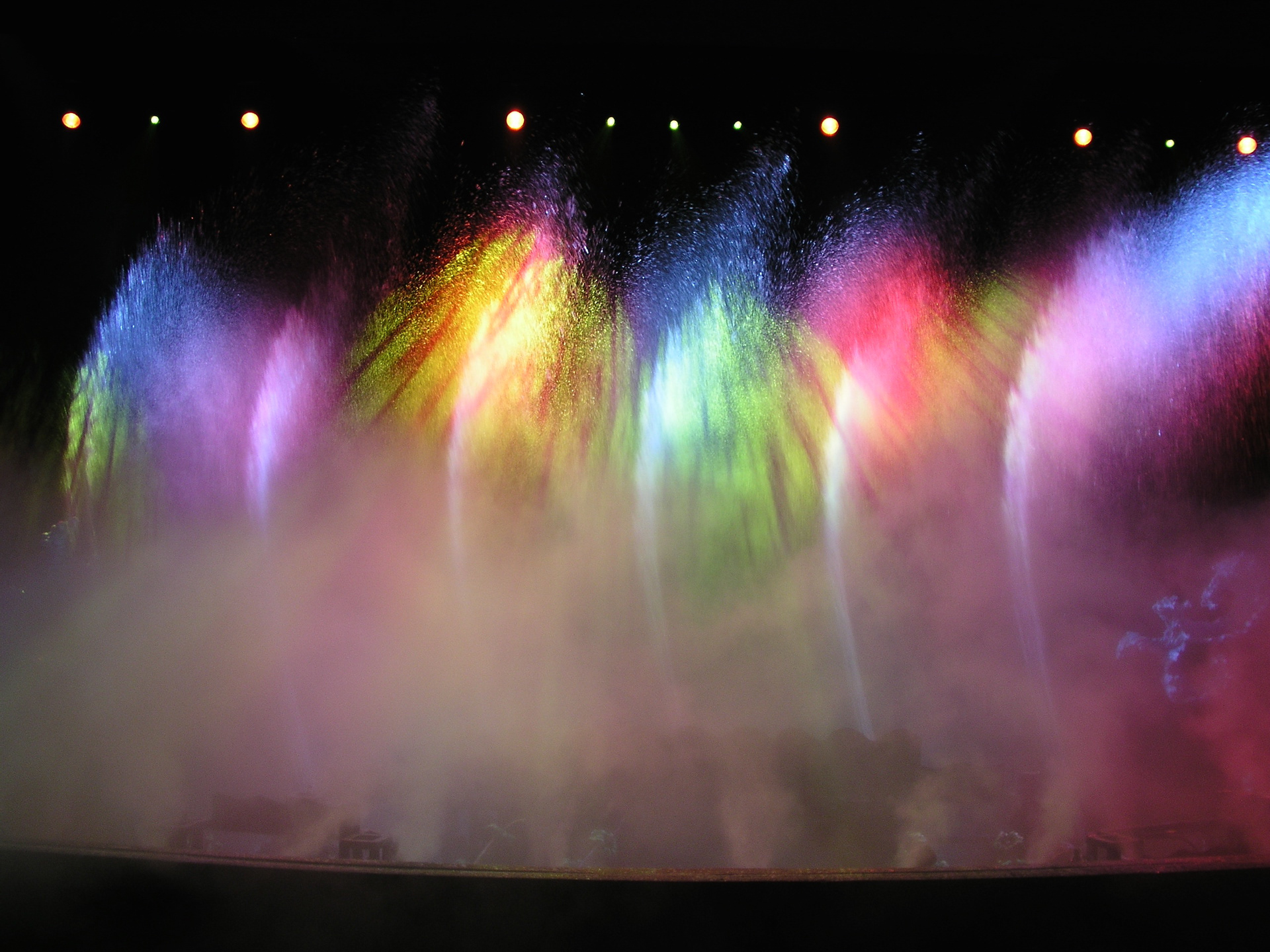
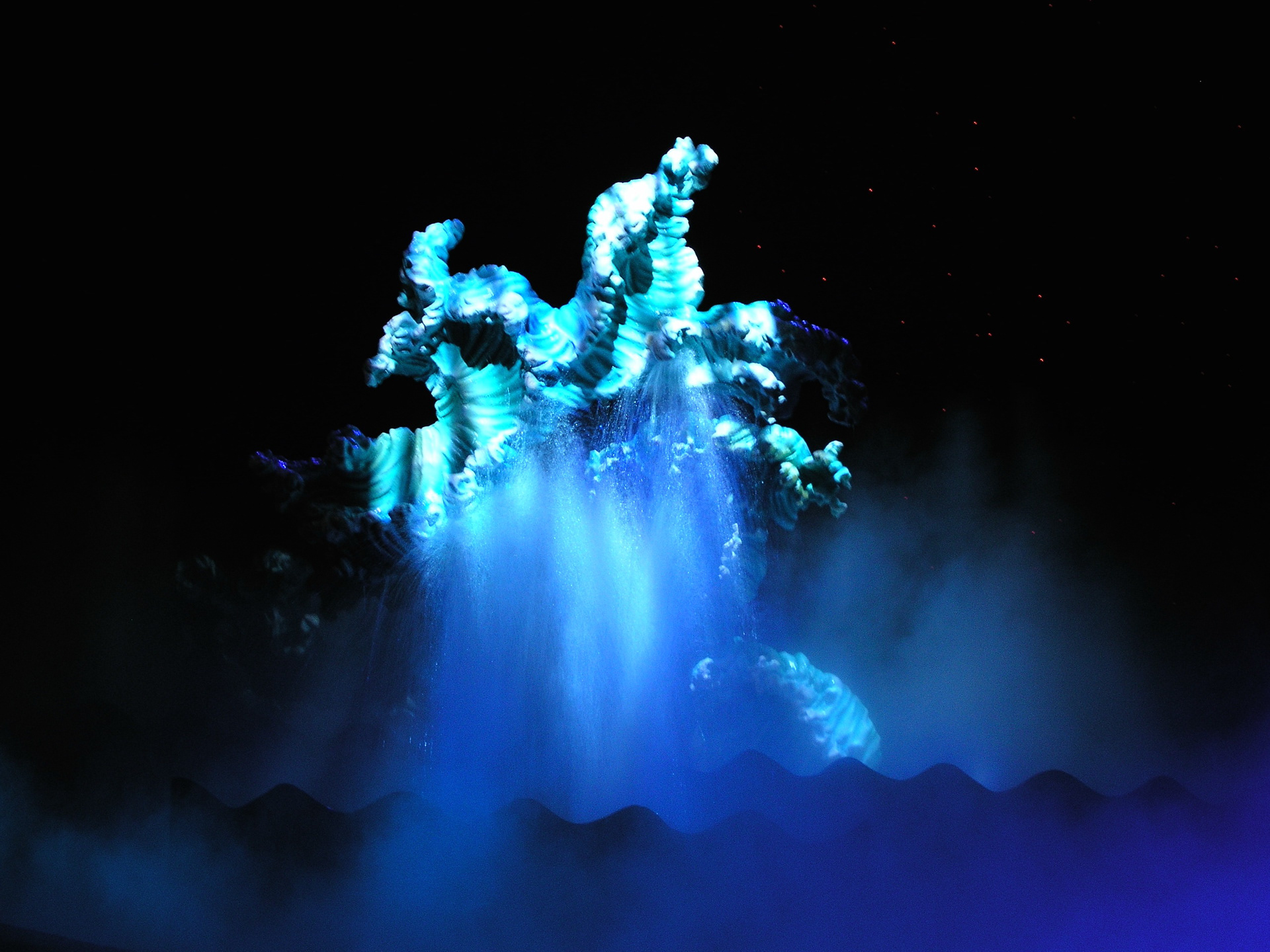
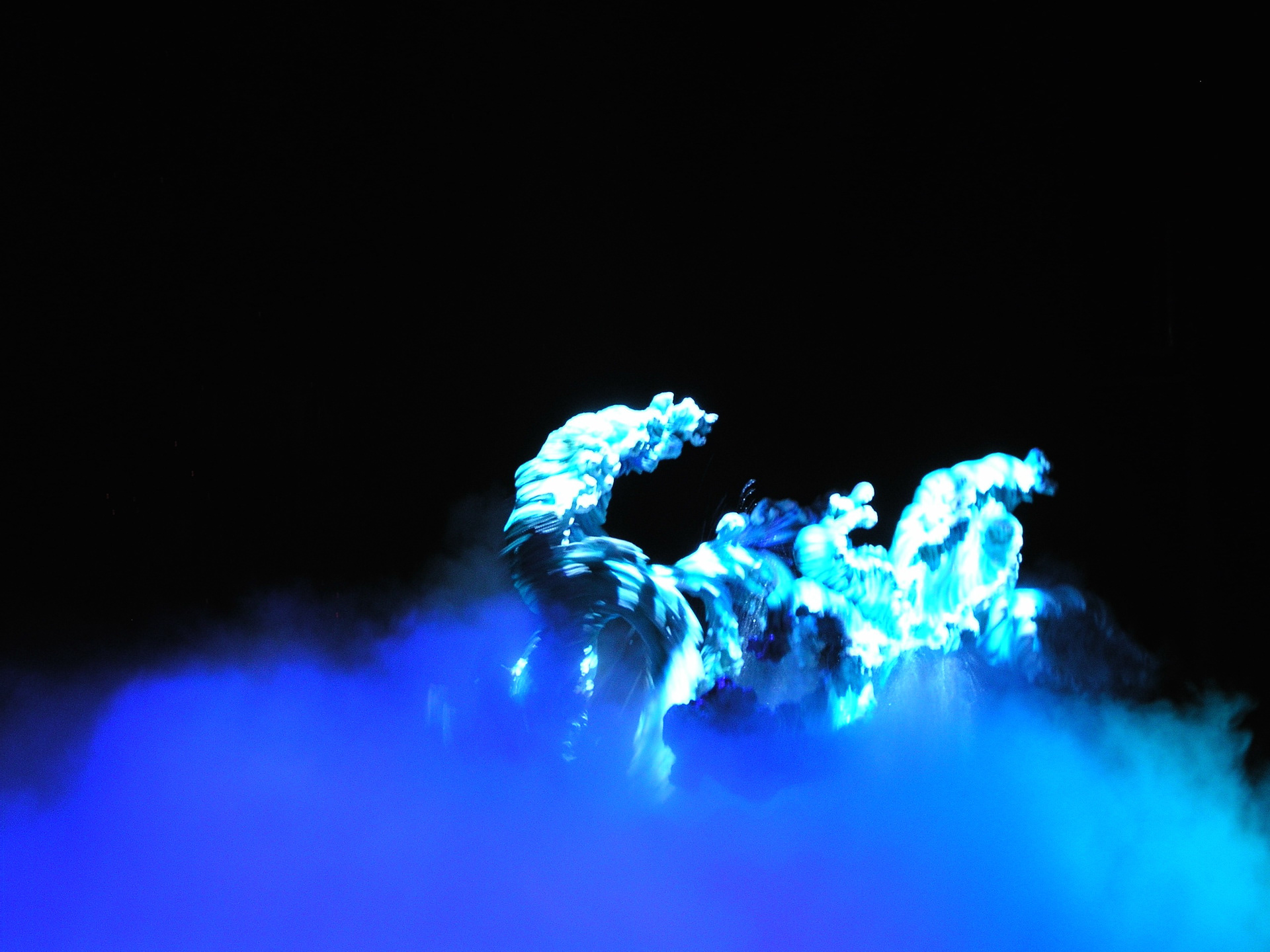
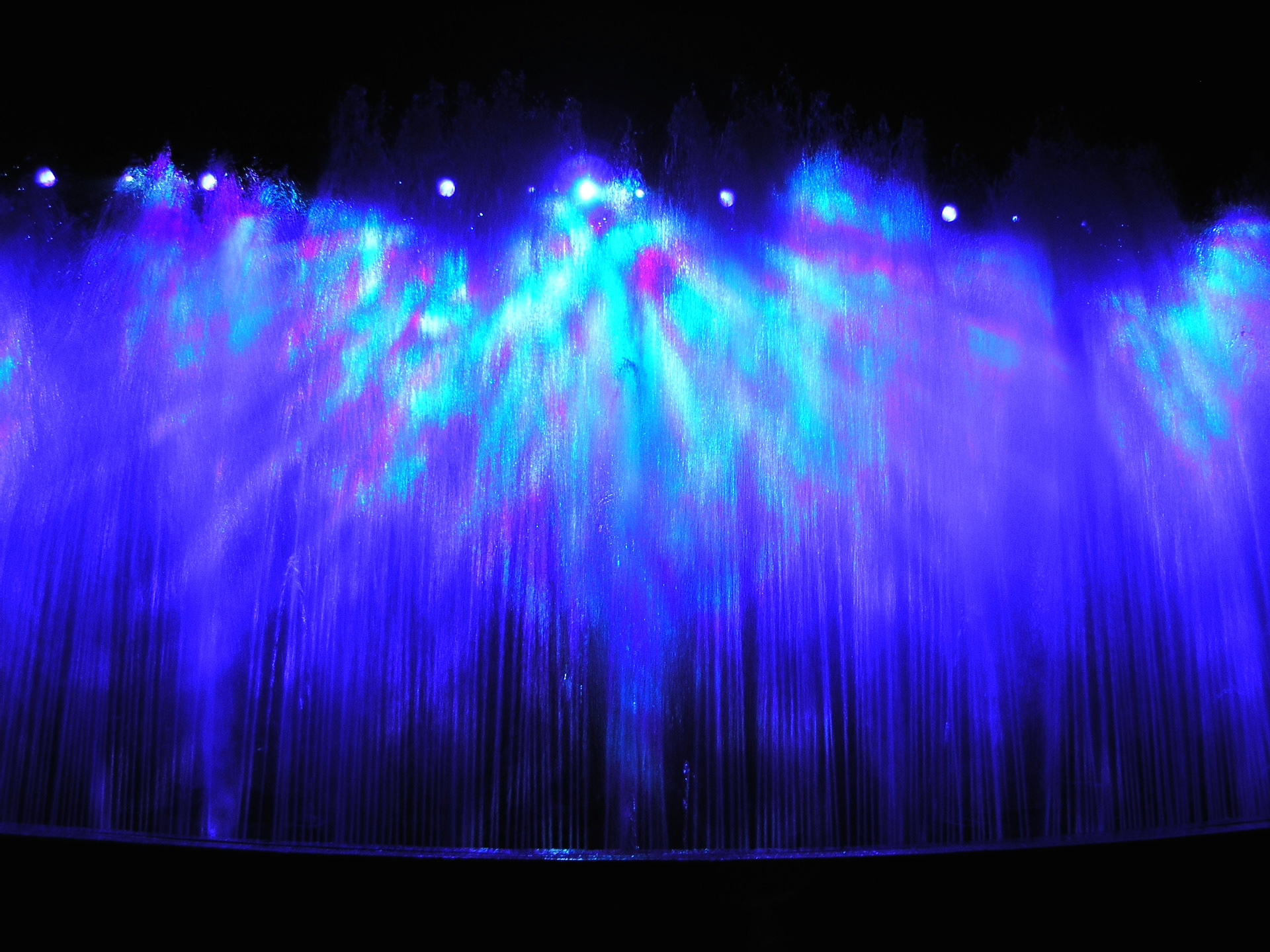
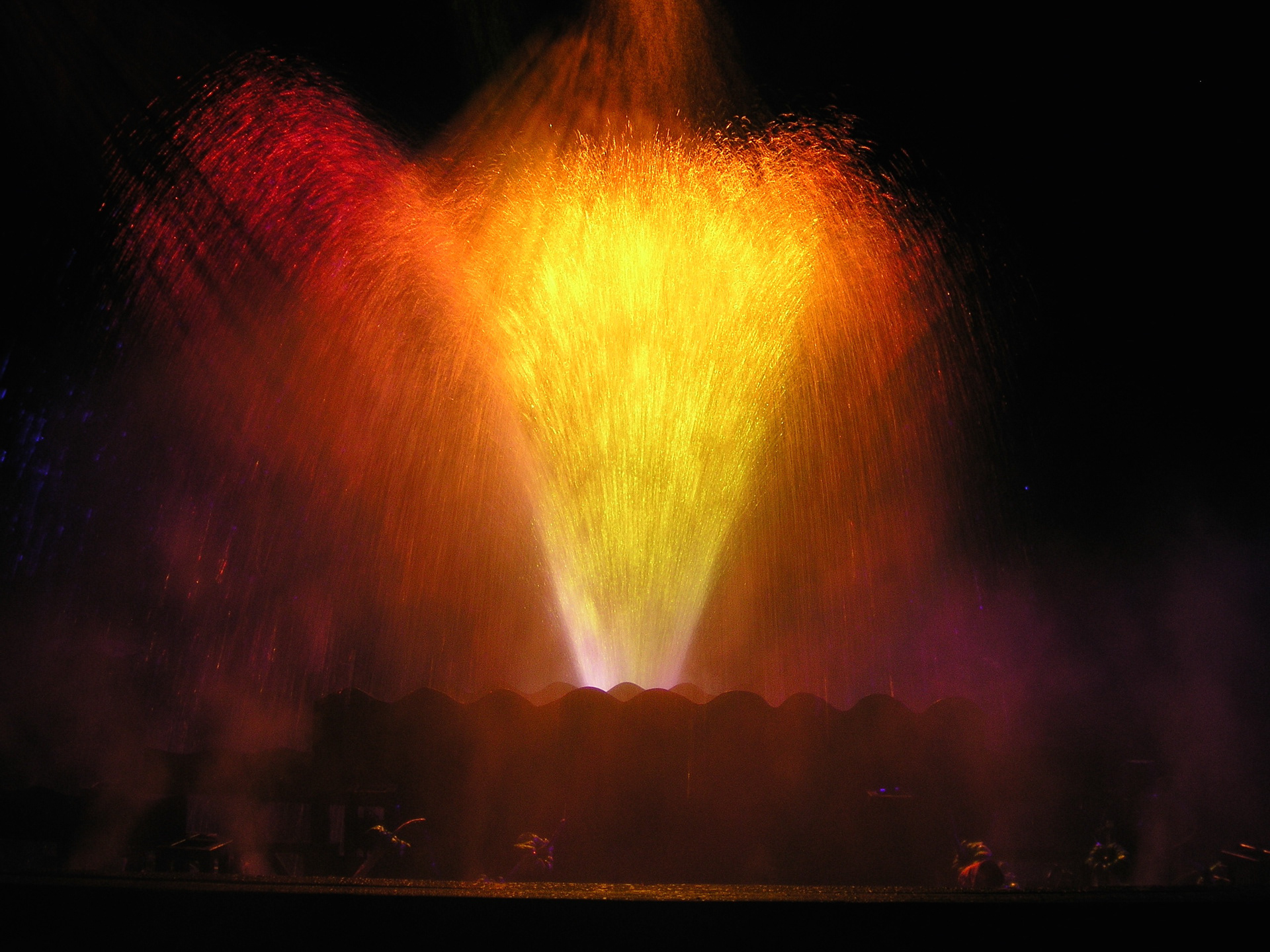
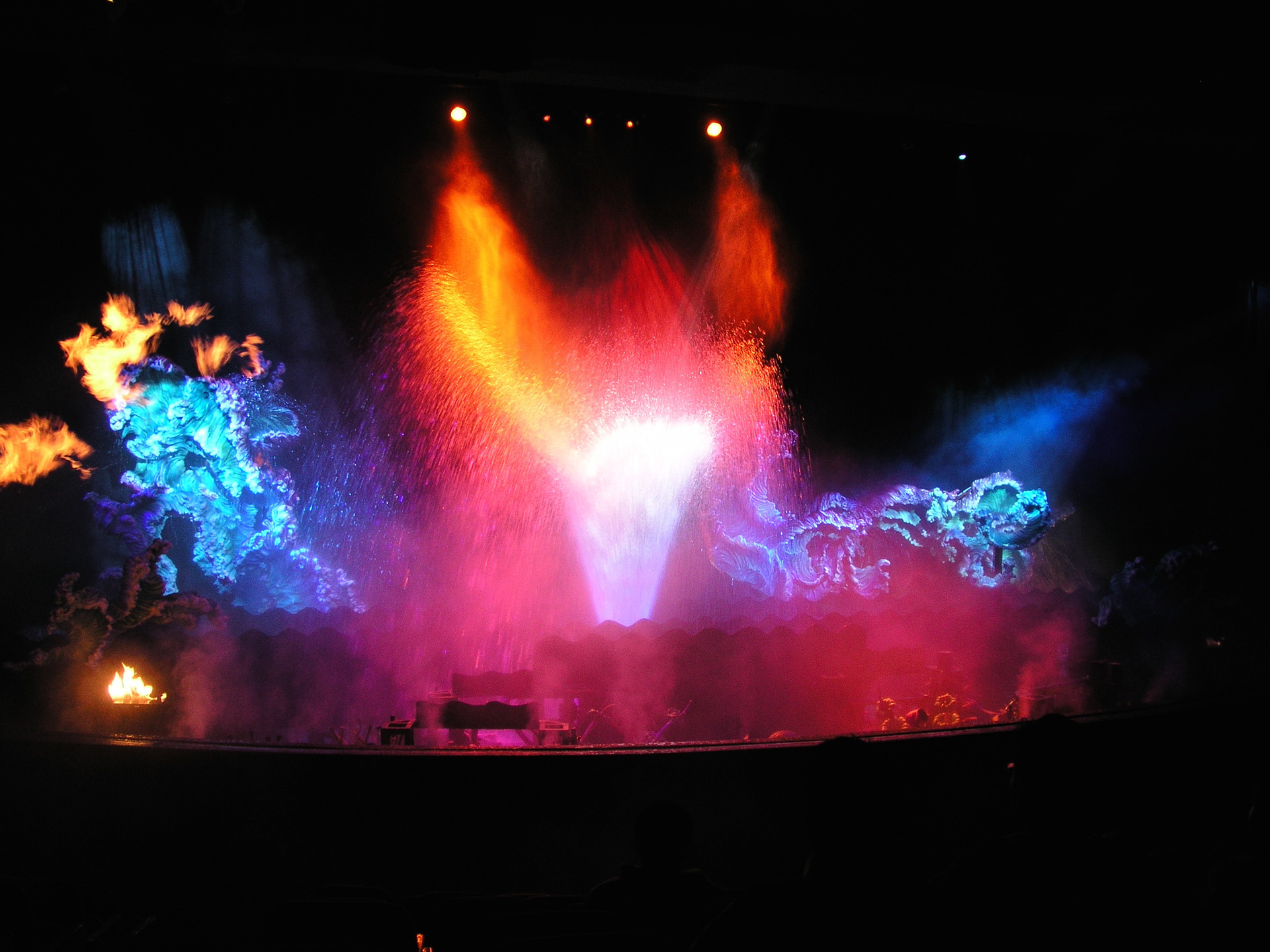
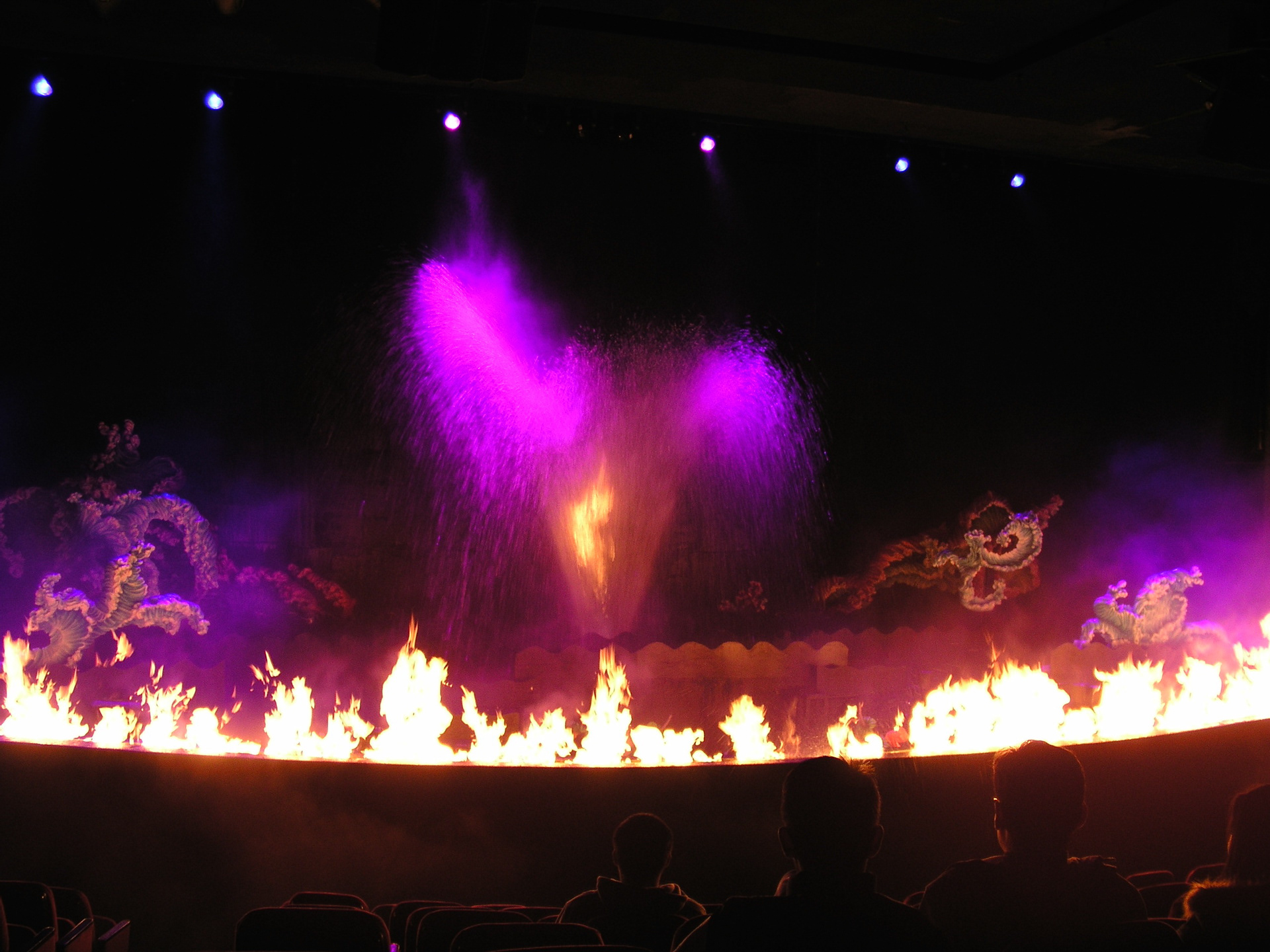
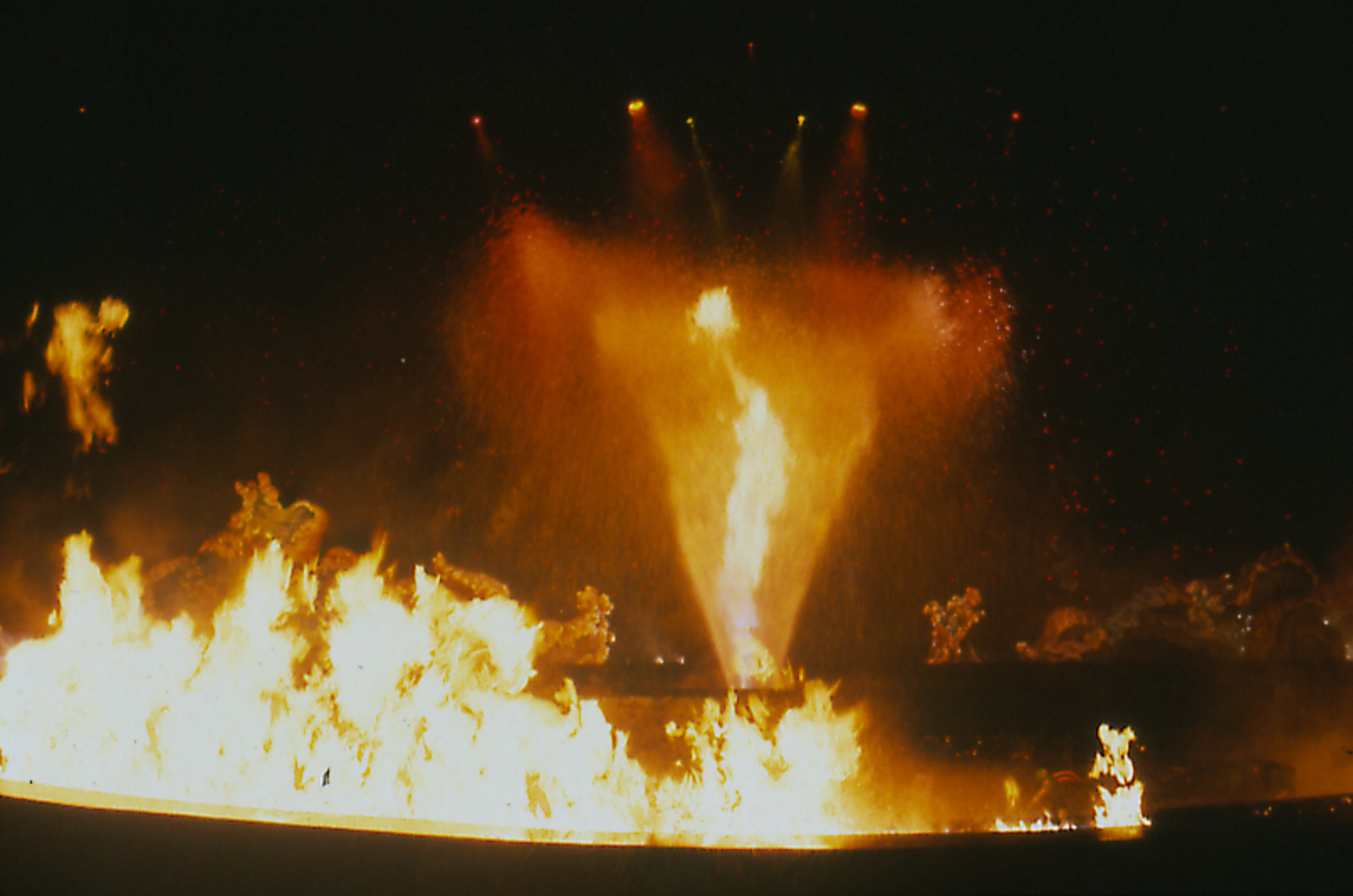
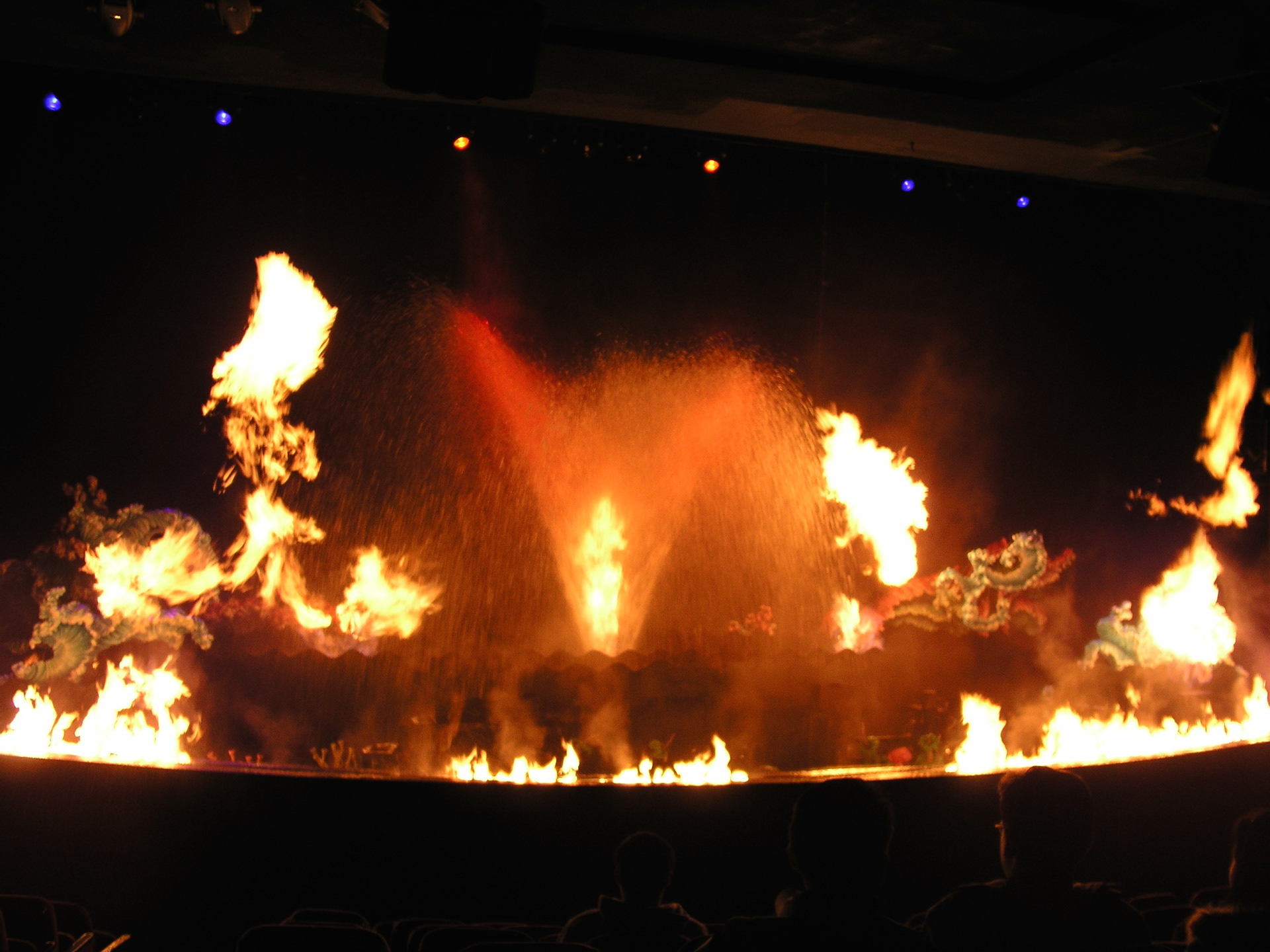
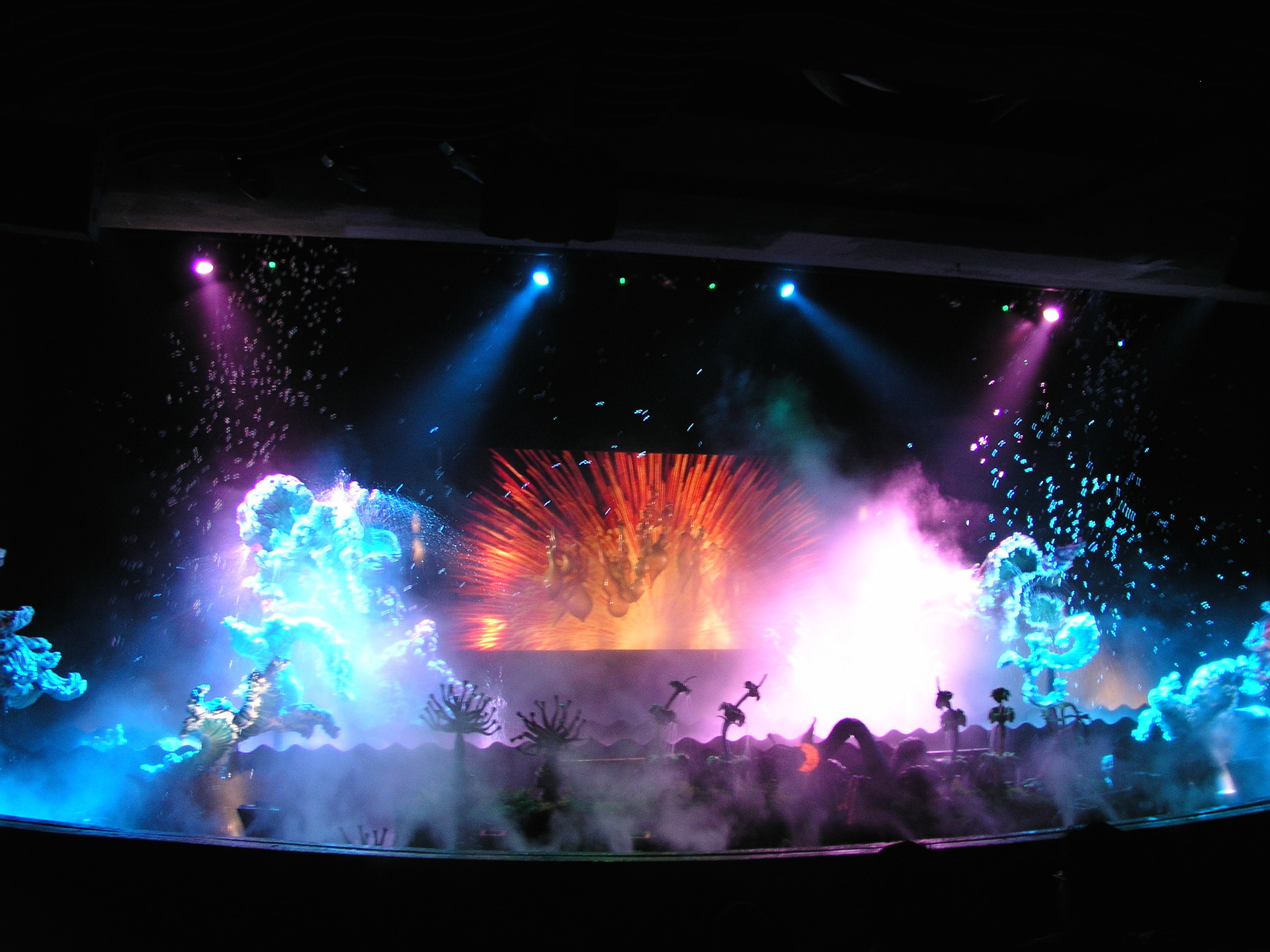
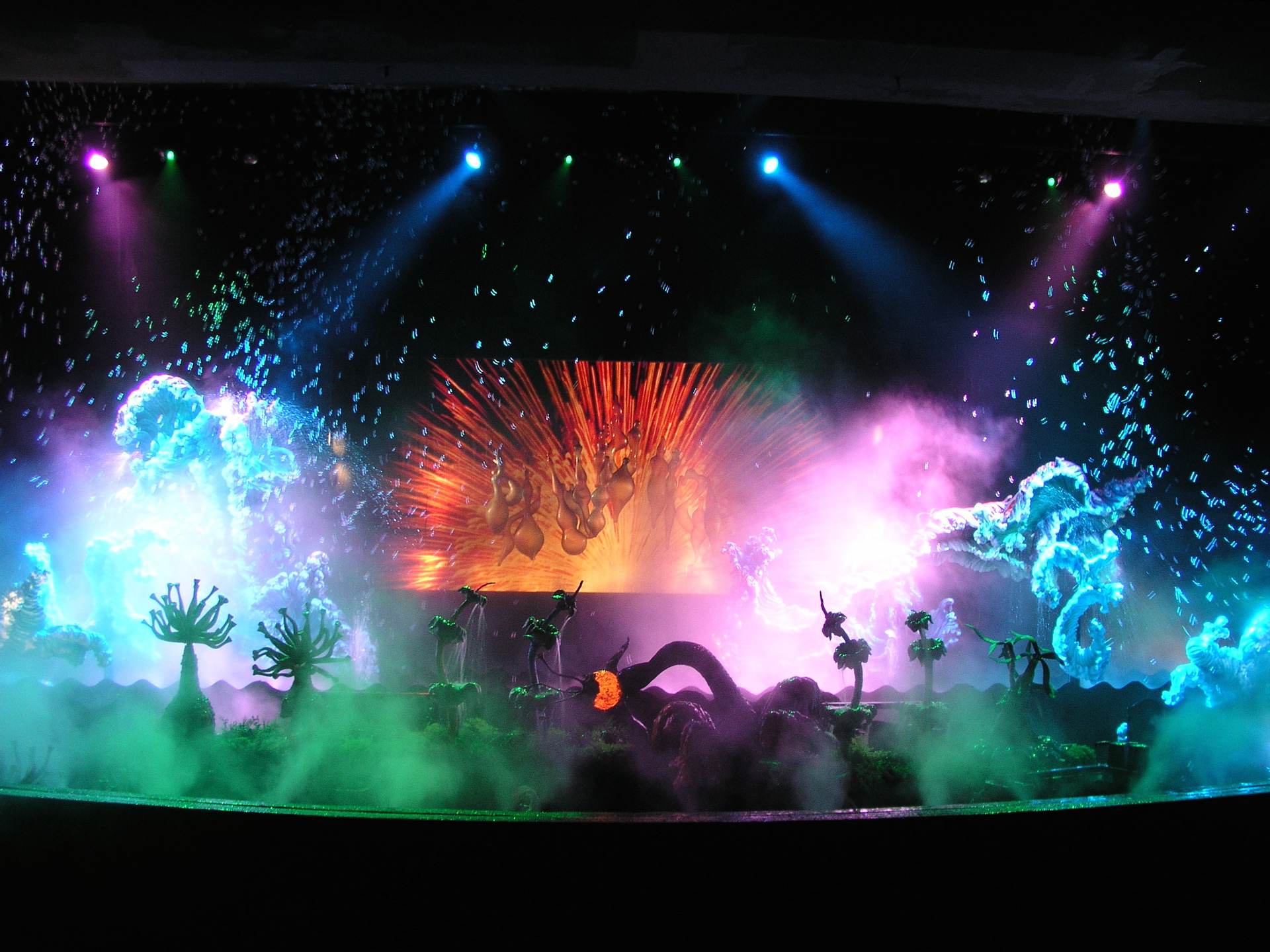
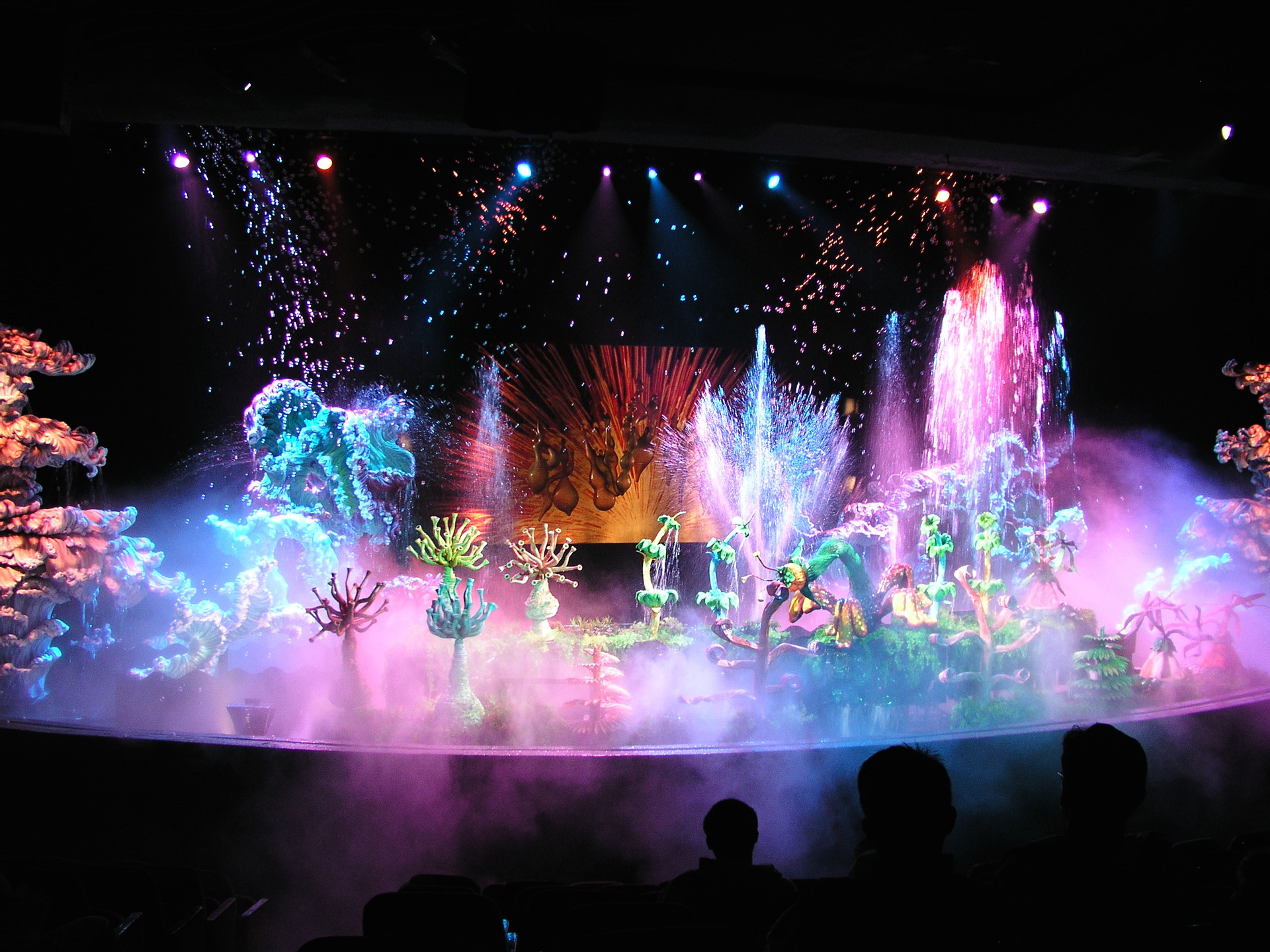
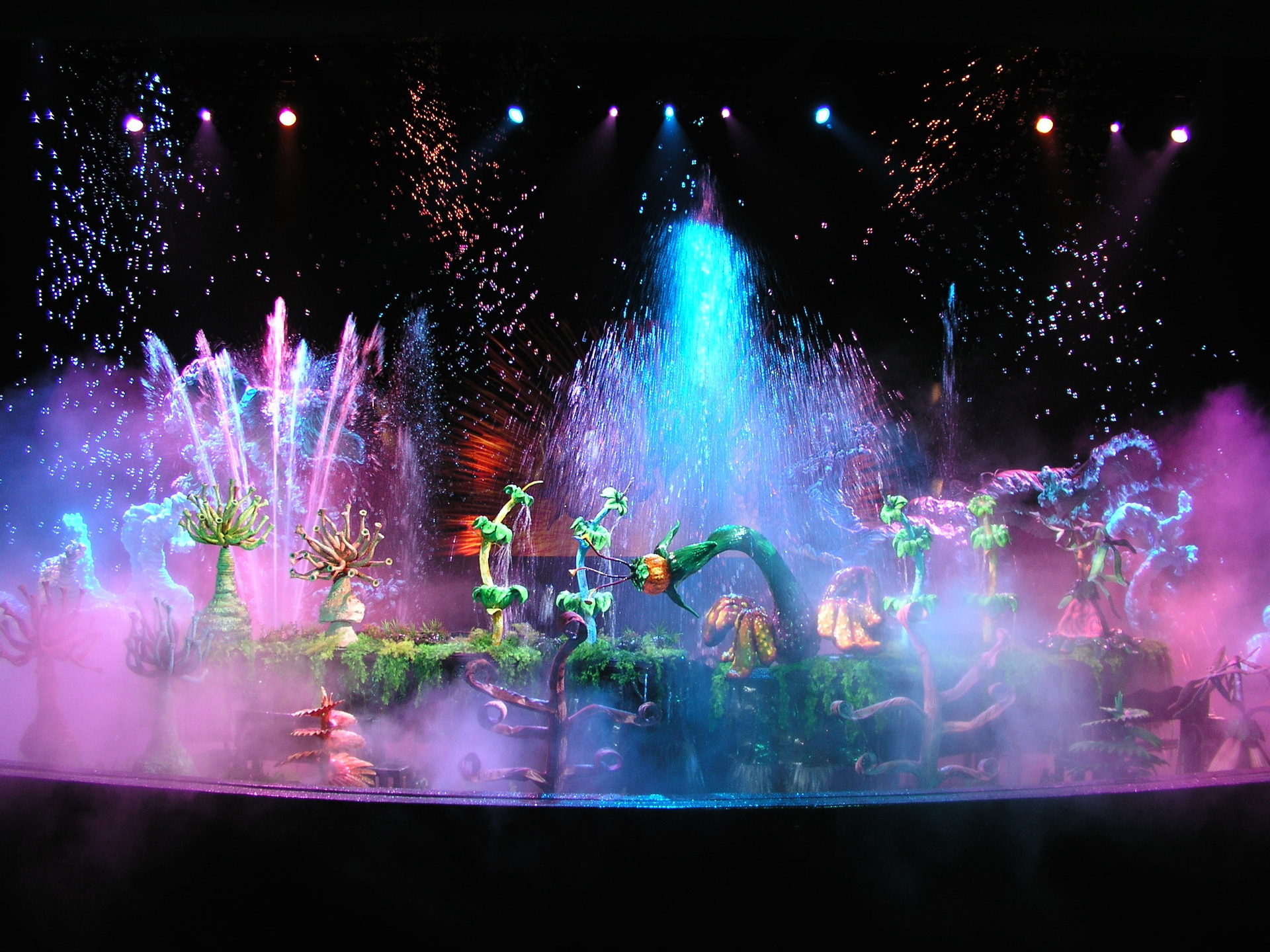
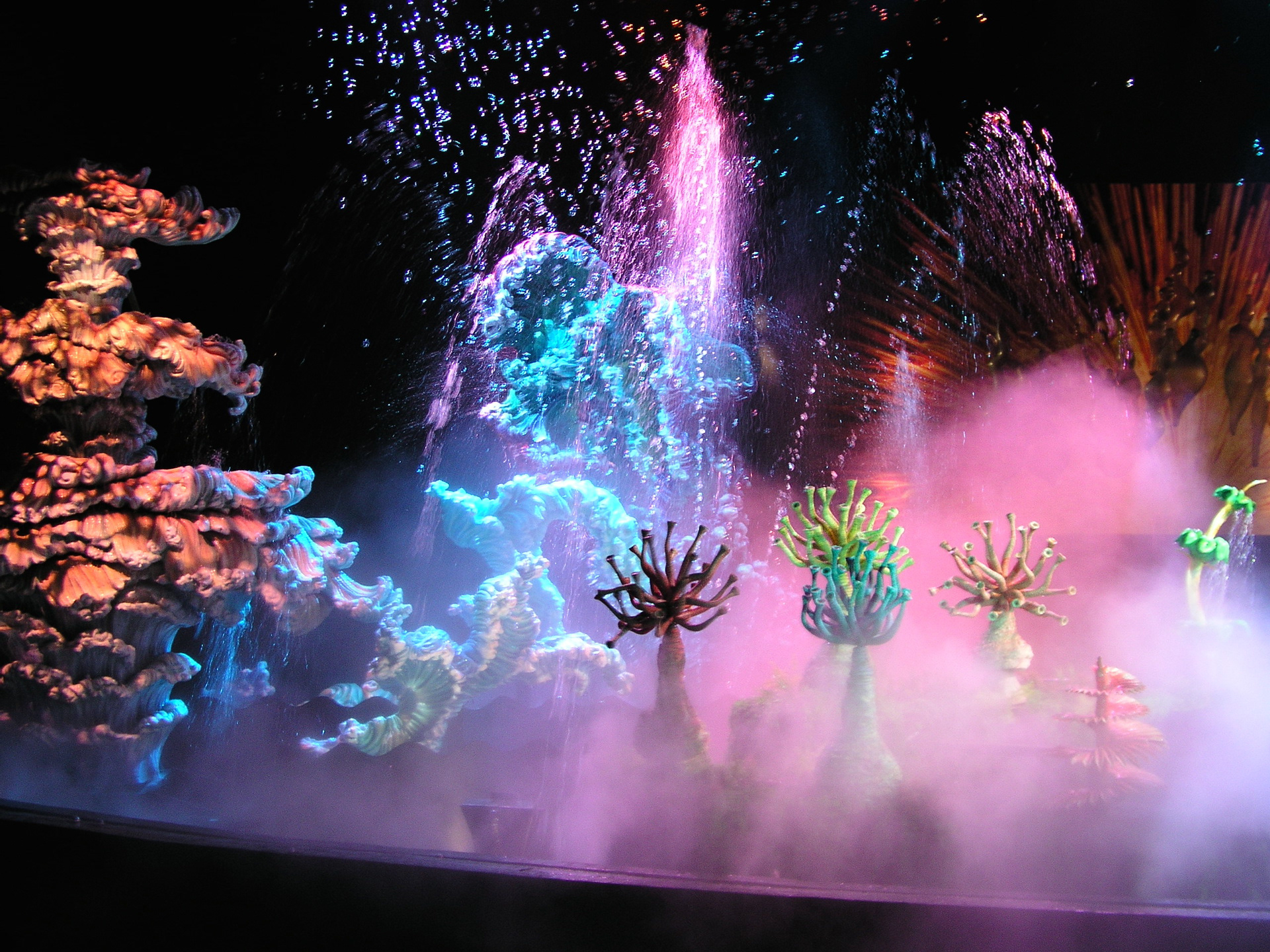
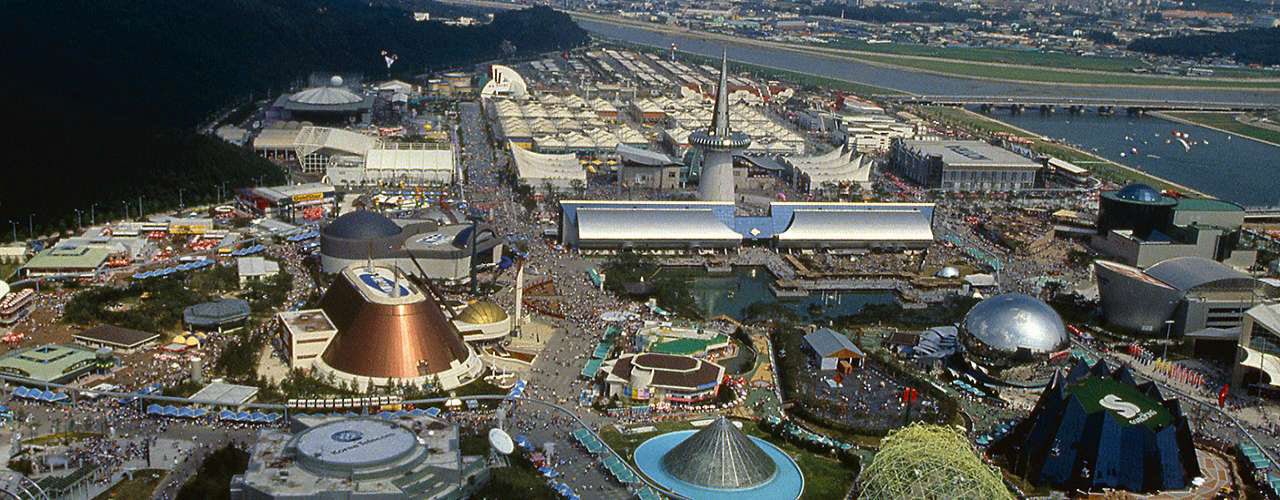
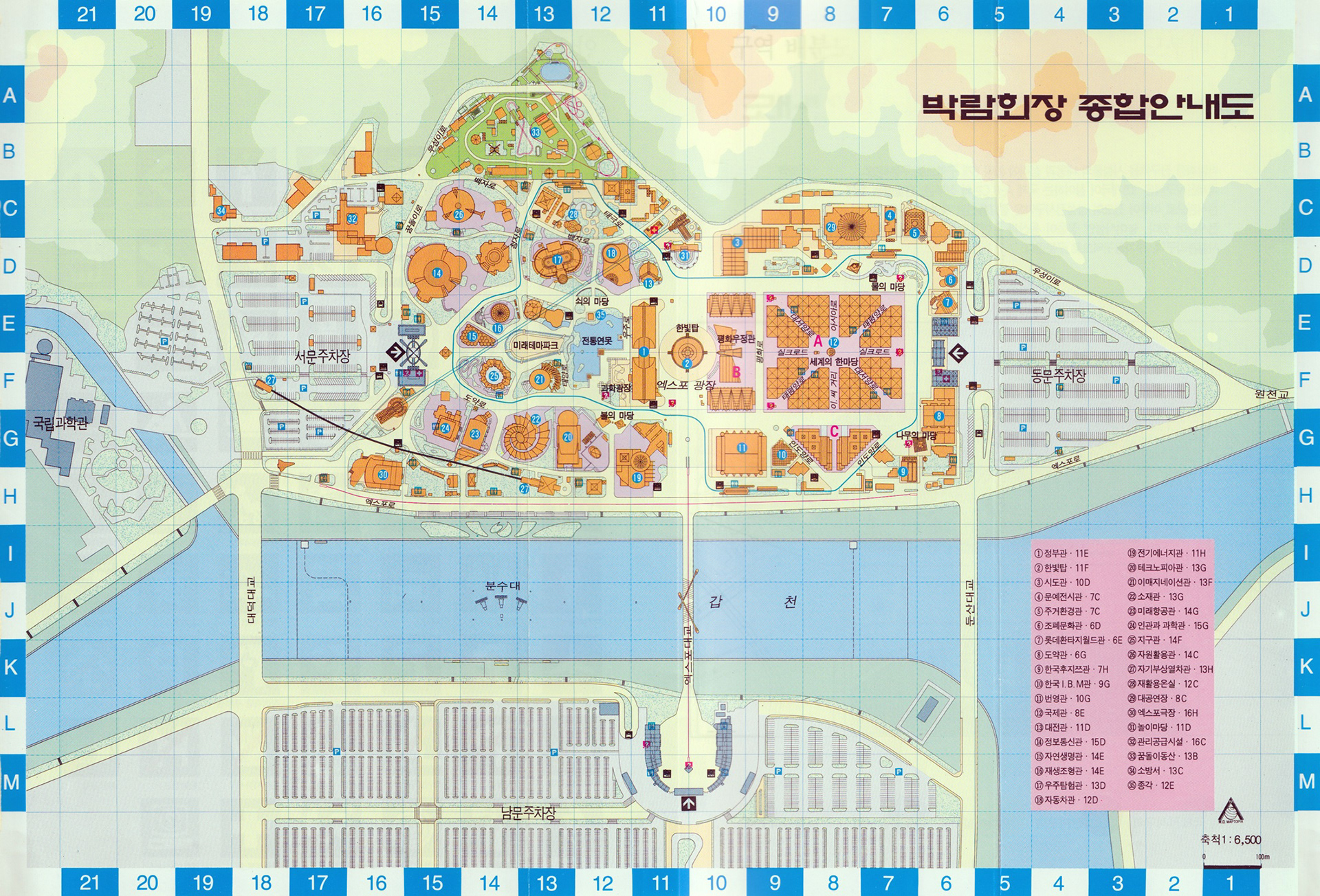
Expo ’93 was a major international event, officially recognized by the Bureau International des Expositions and held from August 7 through November 7, 1993. It welcomed more than 14 million visitors from 108 participating nations and 33 international organizations. Within this highly competitive environment, Fantastic Odyssey emerged as one of the exposition’s standout attractions. A Korean retrospective describes it as a water show expressing “the beauty and mystery of water” through numerous special effects and records that Lotte presented the attraction as many as 23 times each day. Bureau International des Expositions Joongdo Ilbo retrospective
Its success extended far beyond the Expo’s three-month duration. Following the closing of Expo ’93, Lotte preserved the production rather than dismantling it. In 1994, Fantastic Odyssey was relocated to Lotte World in Seoul, where it became a long-running permanent attraction. Korean accounts indicate that it continued operating there until November 2012—giving a work originally commissioned for a temporary exposition an additional life of nearly two decades. Later Korean commentary remembers it as a beloved Lotte World attraction whose imagery and atmosphere remained vivid in the memories of its audiences. Consumer Post retrospective
Fantastic Odyssey occupies an important place in Daniel Flannery’s career. It demonstrated his refusal to repeat a proven success merely because replication appeared commercially safe. Instead, he persuaded a major international client to support a wholly original work and proved that water-based theatrical technologies could sustain dramatically contrasting worlds. Its acclaim at Taejon and its long second life at Lotte World established the production not simply as an Expo attraction, but as an enduring work of theatrical entertainment—and one of Flannery’s defining achievements in the creation of large-scale international spectacles.
Its success extended far beyond the Expo’s three-month duration. Following the closing of Expo ’93, Lotte preserved the production rather than dismantling it. In 1994, Fantastic Odyssey was relocated to Lotte World in Seoul, where it became a long-running permanent attraction. Korean accounts indicate that it continued operating there until November 2012—giving a work originally commissioned for a temporary exposition an additional life of nearly two decades. Later Korean commentary remembers it as a beloved Lotte World attraction whose imagery and atmosphere remained vivid in the memories of its audiences. Consumer Post retrospective
Fantastic Odyssey occupies an important place in Daniel Flannery’s career. It demonstrated his refusal to repeat a proven success merely because replication appeared commercially safe. Instead, he persuaded a major international client to support a wholly original work and proved that water-based theatrical technologies could sustain dramatically contrasting worlds. Its acclaim at Taejon and its long second life at Lotte World established the production not simply as an Expo attraction, but as an enduring work of theatrical entertainment—and one of Flannery’s defining achievements in the creation of large-scale international spectacles.