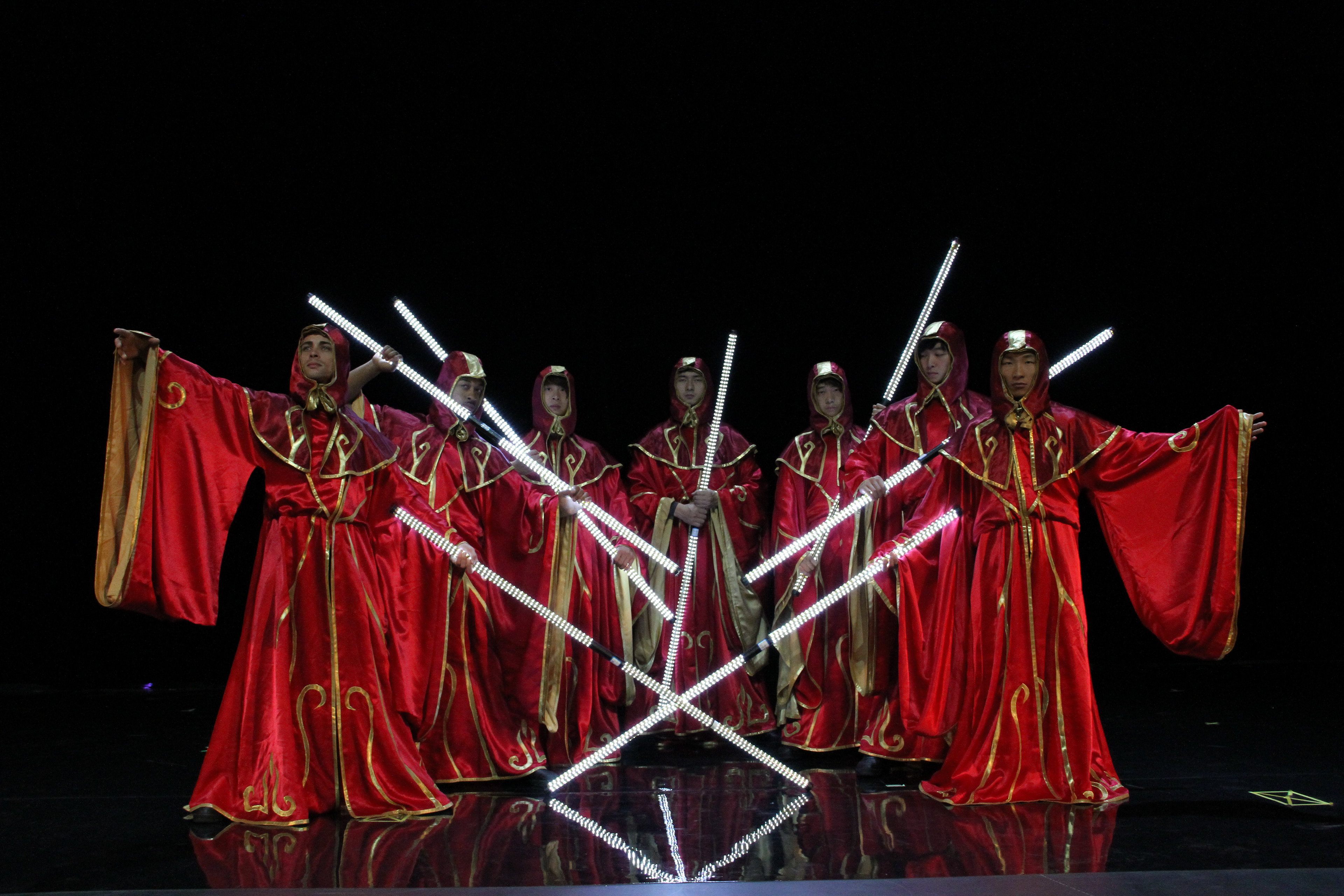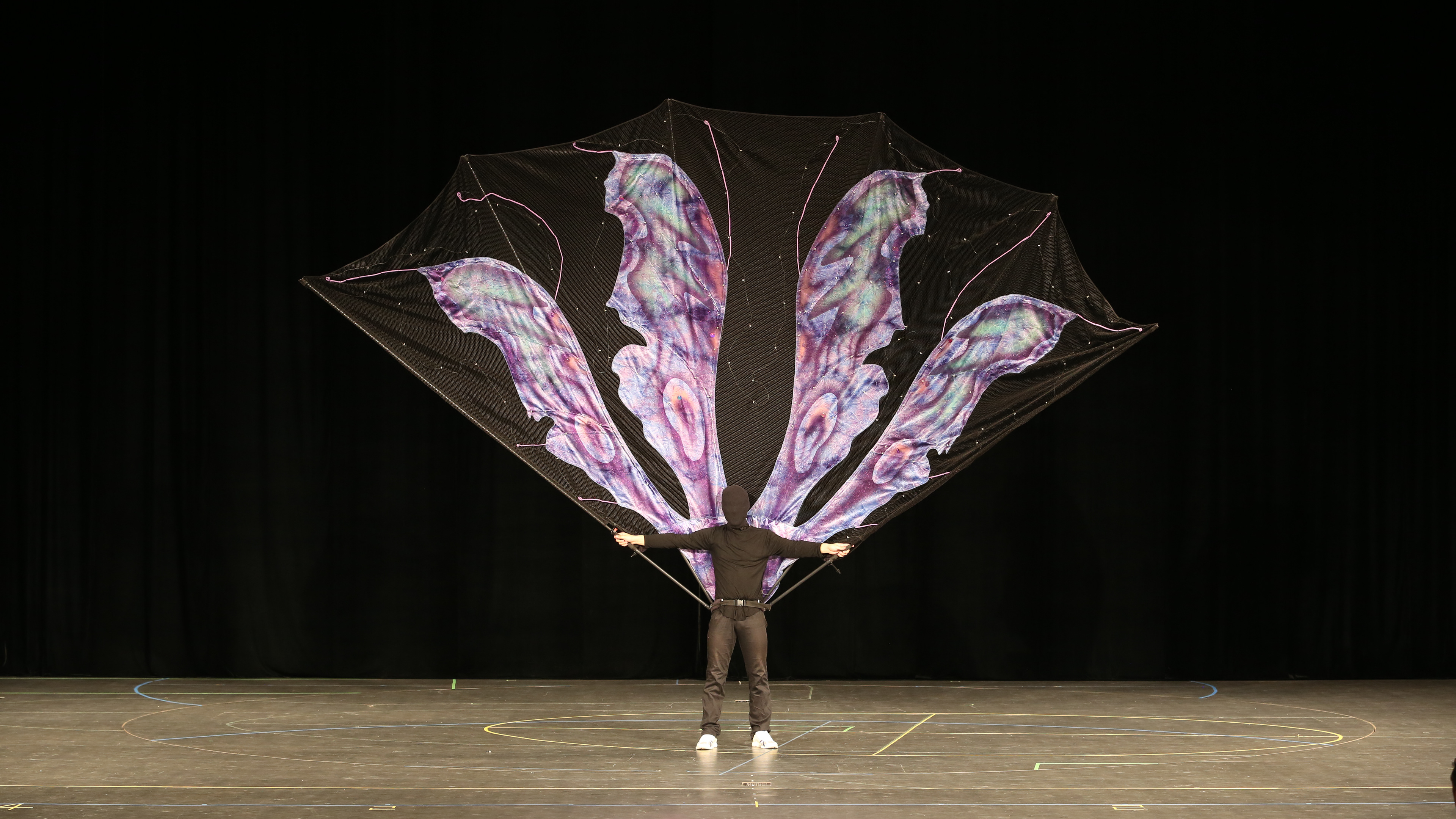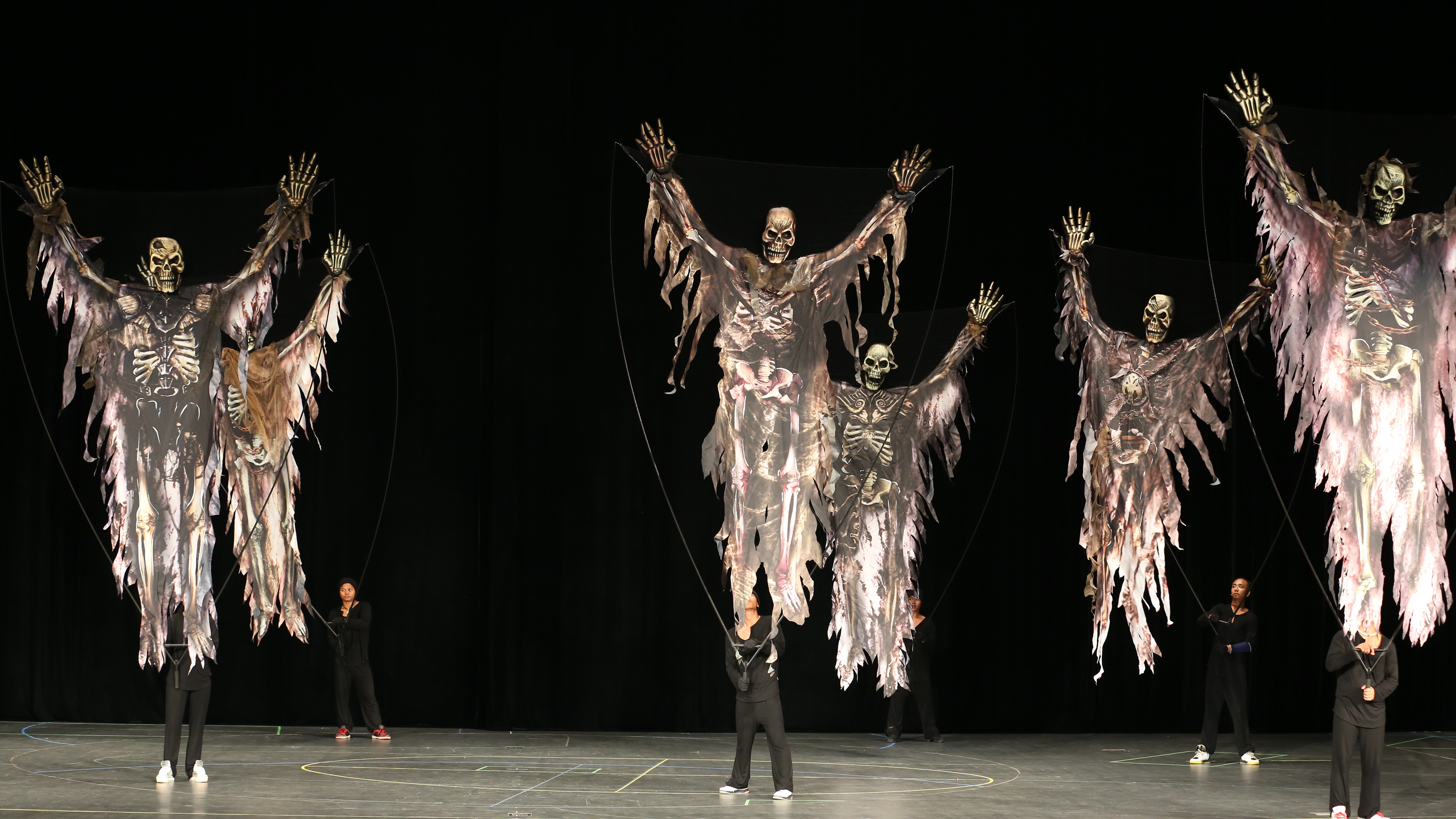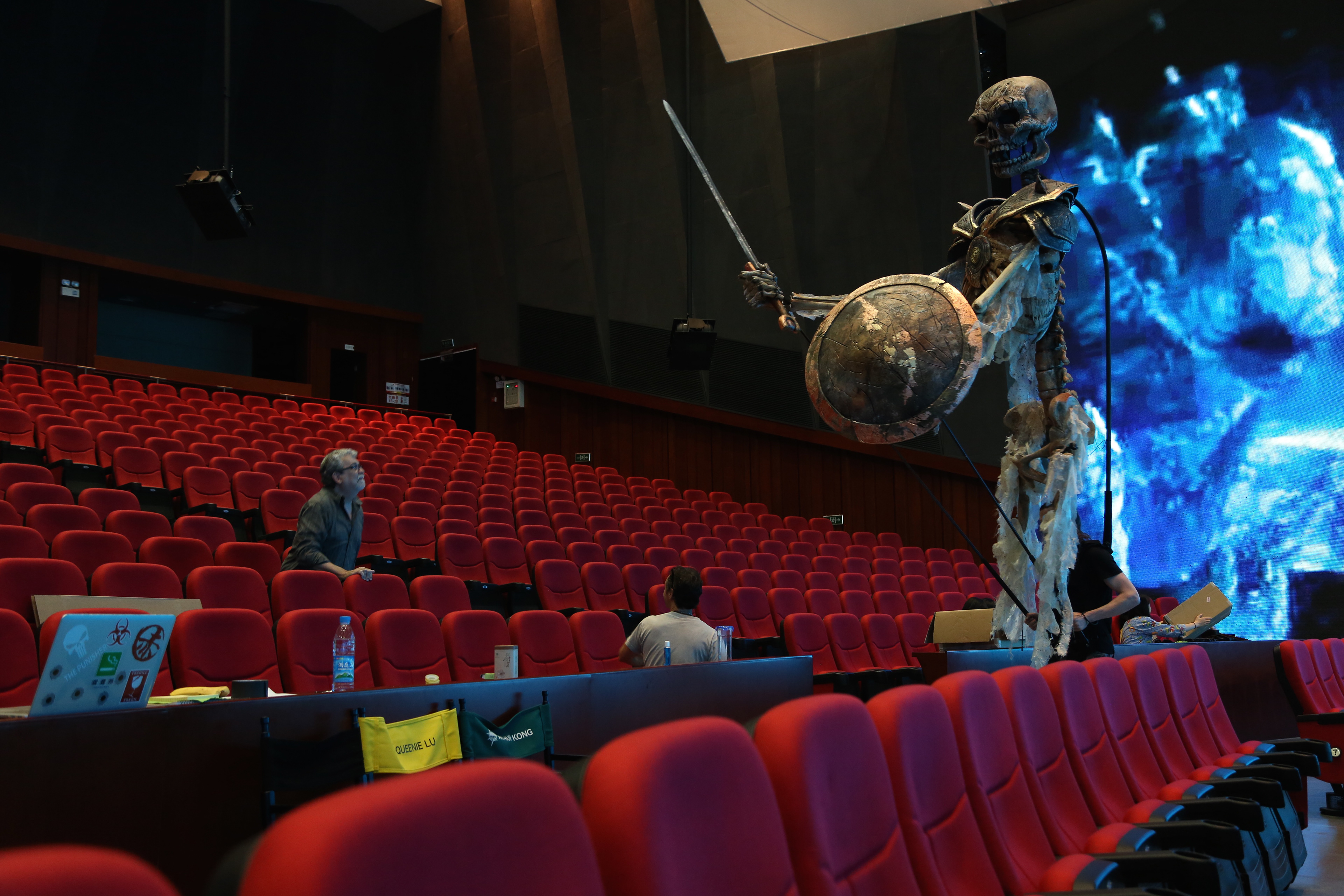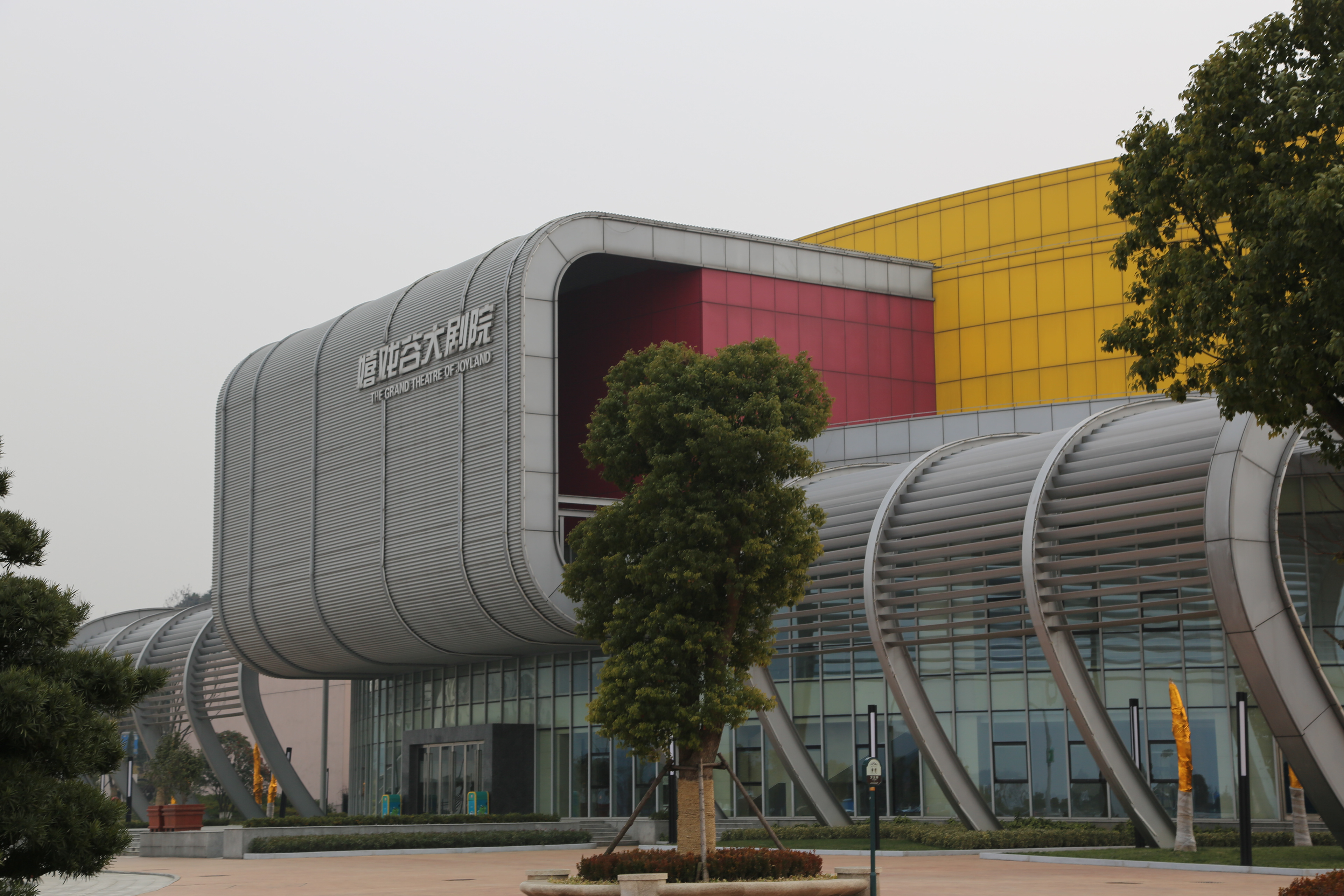


Daniel Flannery served as creative producer, scenarist and director of Illusion (Huan Jing), an original resident theatrical spectacular created for the Grand Theatre in Changzhou, Jiangsu Province. Developed over the course of a year and premiering in July 2013, the production unfolded in ten theatrical movements, following a princess and a young hero through a fantastical struggle against dark forces—and an allegorical search for courage, identity and the true self.
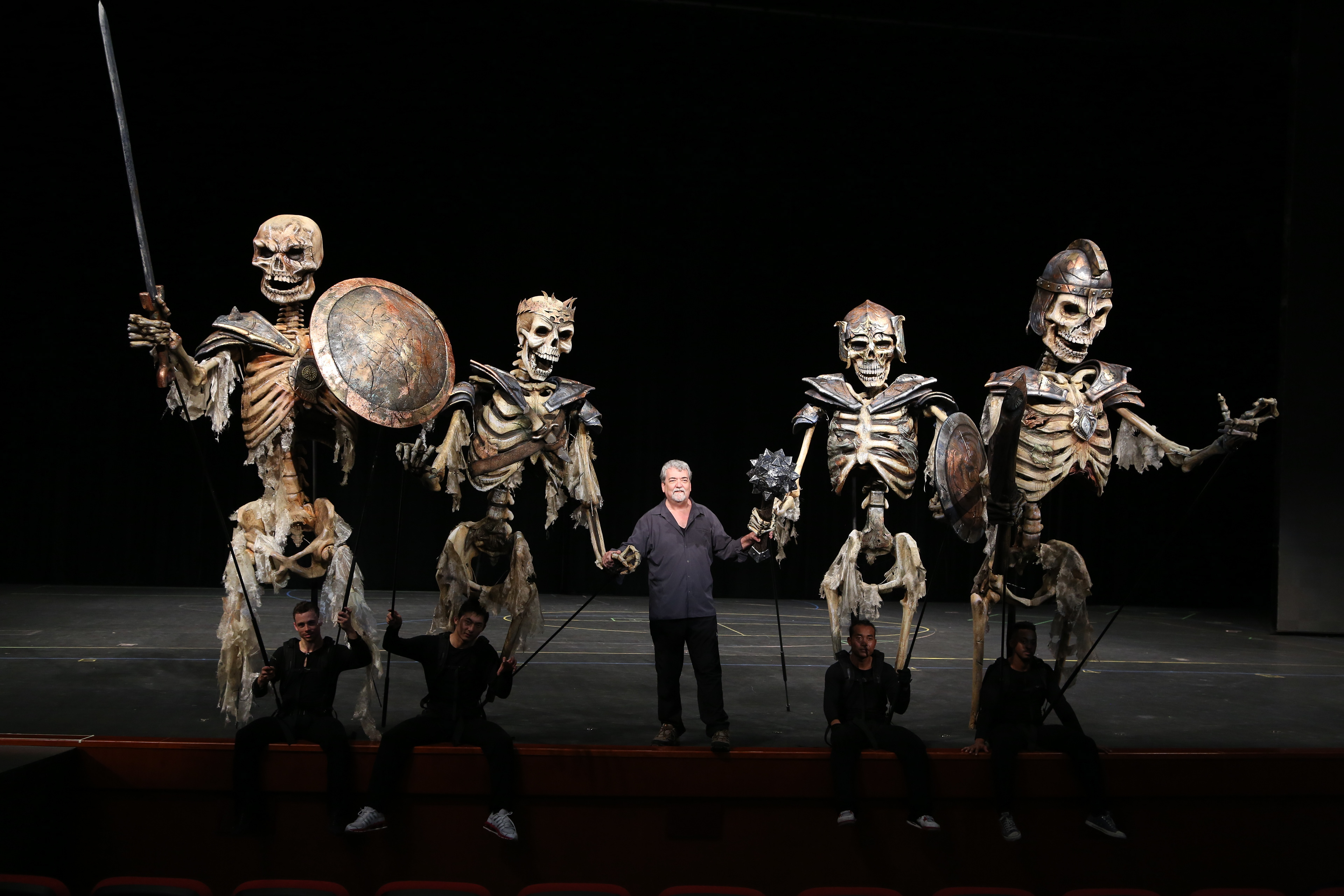
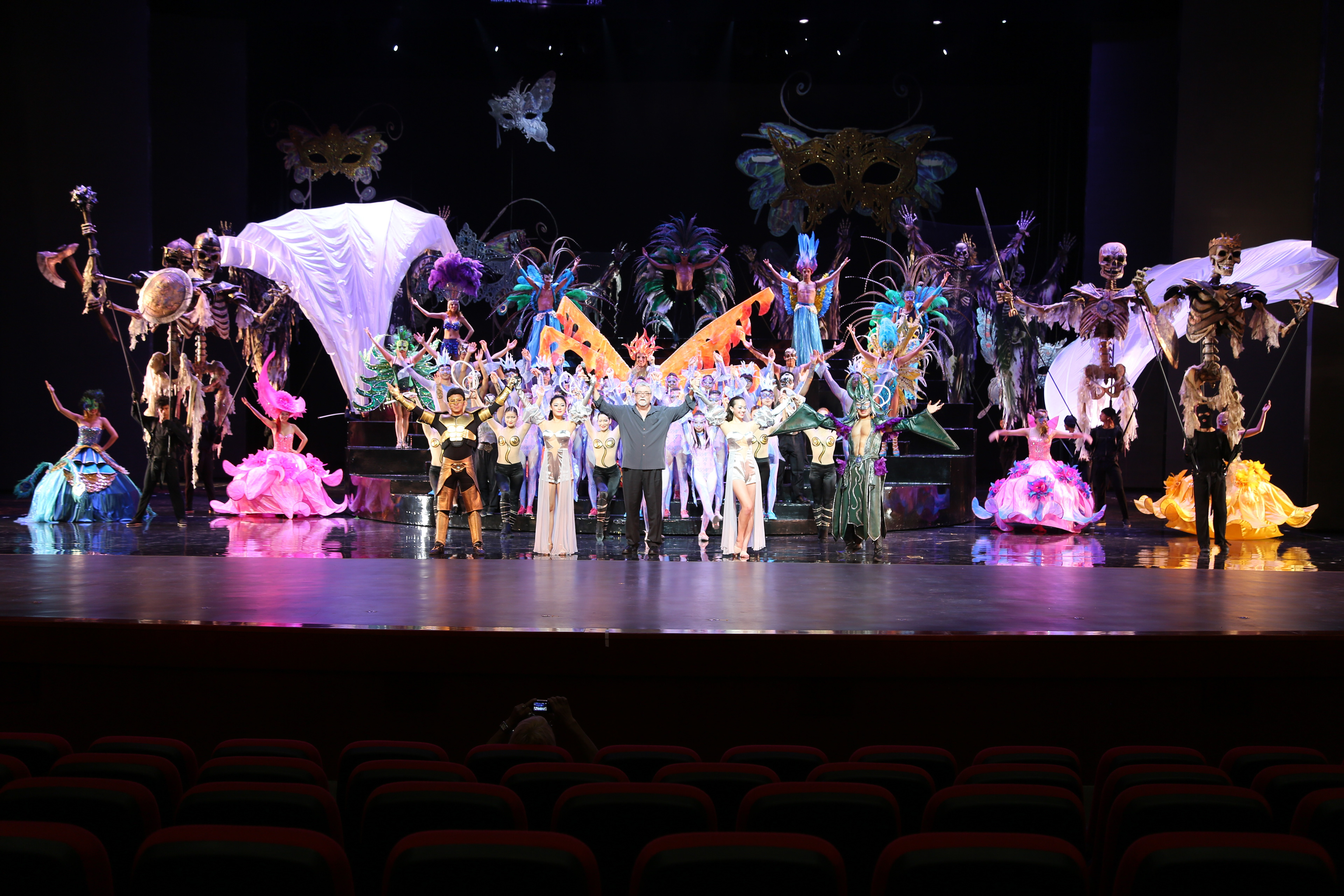
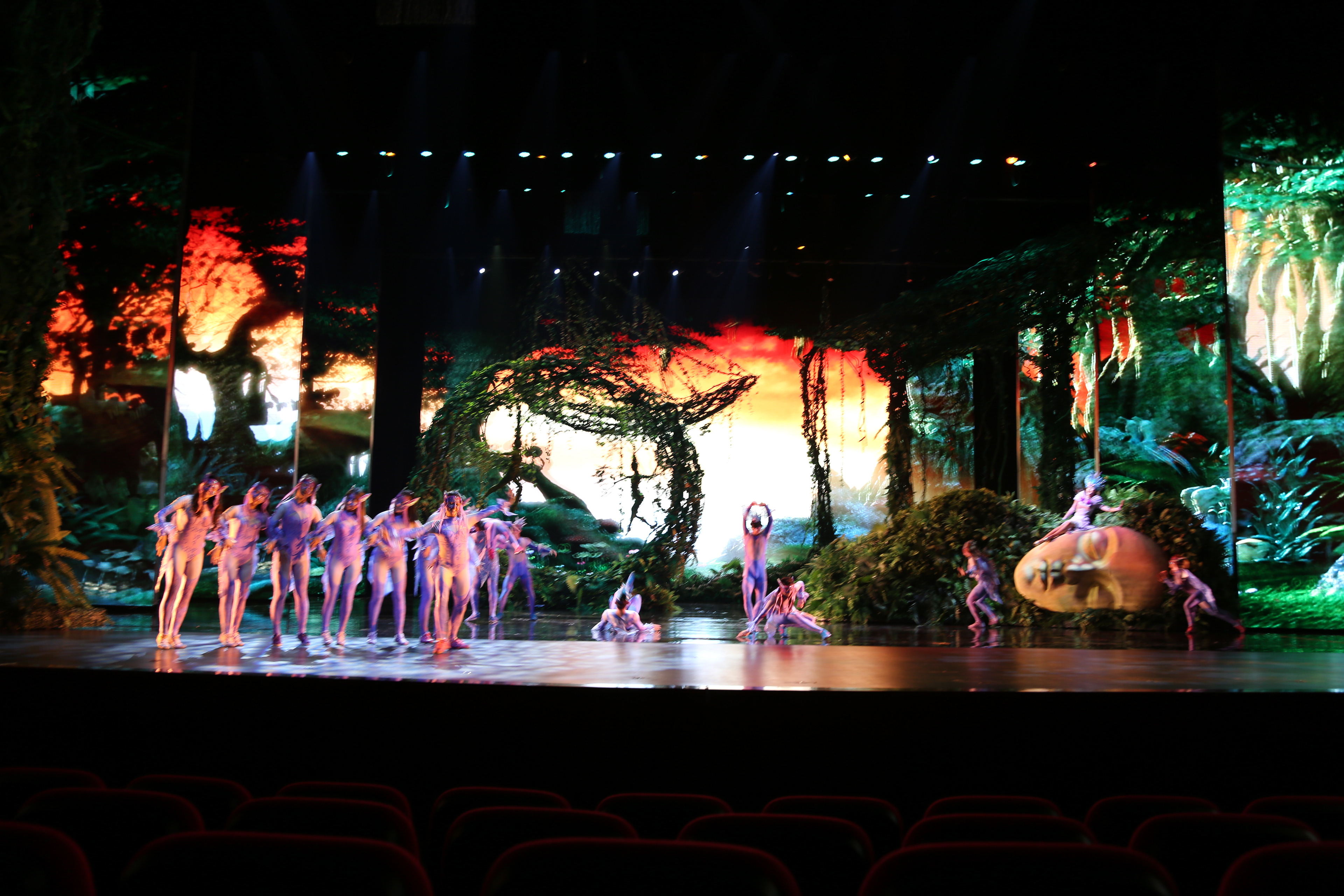
Conceived on the scale of a grand opera, Illusion combined an international company of more than 100 performers with dance, acrobatics, large-scale puppetry, kinetic scenic elements, holographic imagery and stereoscopic CGI. Its most revolutionary feature was an immense, three-story, 270-degree LED environment—reportedly encompassing approximately 800 square meters—which wrapped the stage and auditorium in active 3D imagery. Wearing synchronized stereoscopic glasses, spectators experienced performers and digitally generated worlds appearing to occupy the same dimensional space. A sophisticated 7.1-channel sound system and a mechanized stage—with lifts and a central platform capable of moving, rotating and tilting—completed the immersive environment.
Conceived on the scale of a grand opera, Illusion combined an international company of more than 100 performers with dance, acrobatics, large-scale puppetry, kinetic scenic elements, holographic imagery and stereoscopic CGI. Its most revolutionary feature was an immense, three-story, 270-degree LED environment—reportedly encompassing approximately 800 square meters—which wrapped the stage and auditorium in active 3D imagery. Wearing synchronized stereoscopic glasses, spectators experienced performers and digitally generated worlds appearing to occupy the same dimensional space. A sophisticated 7.1-channel sound system and a mechanized stage—with lifts and a central platform capable of moving, rotating and tilting—completed the immersive environment.



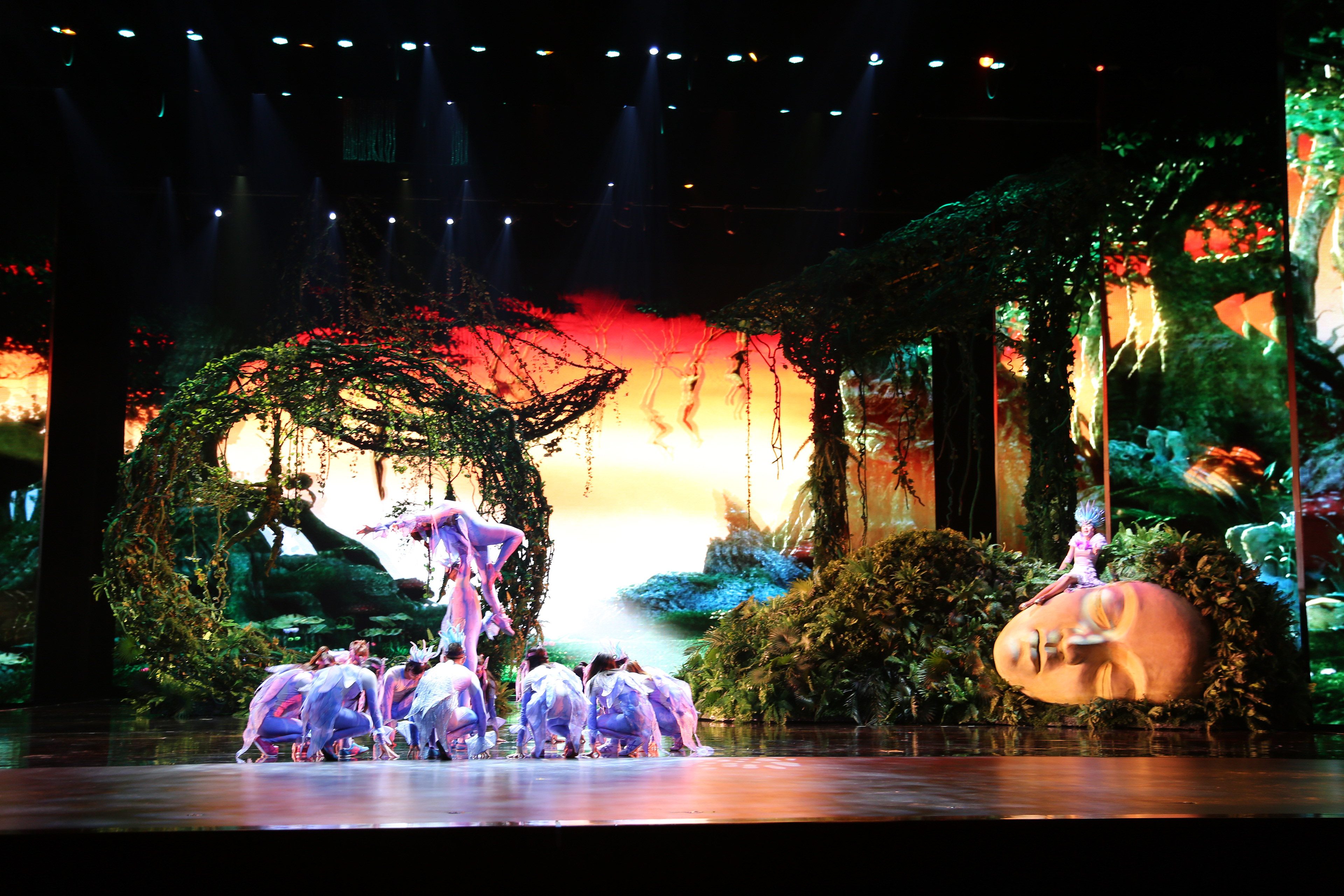









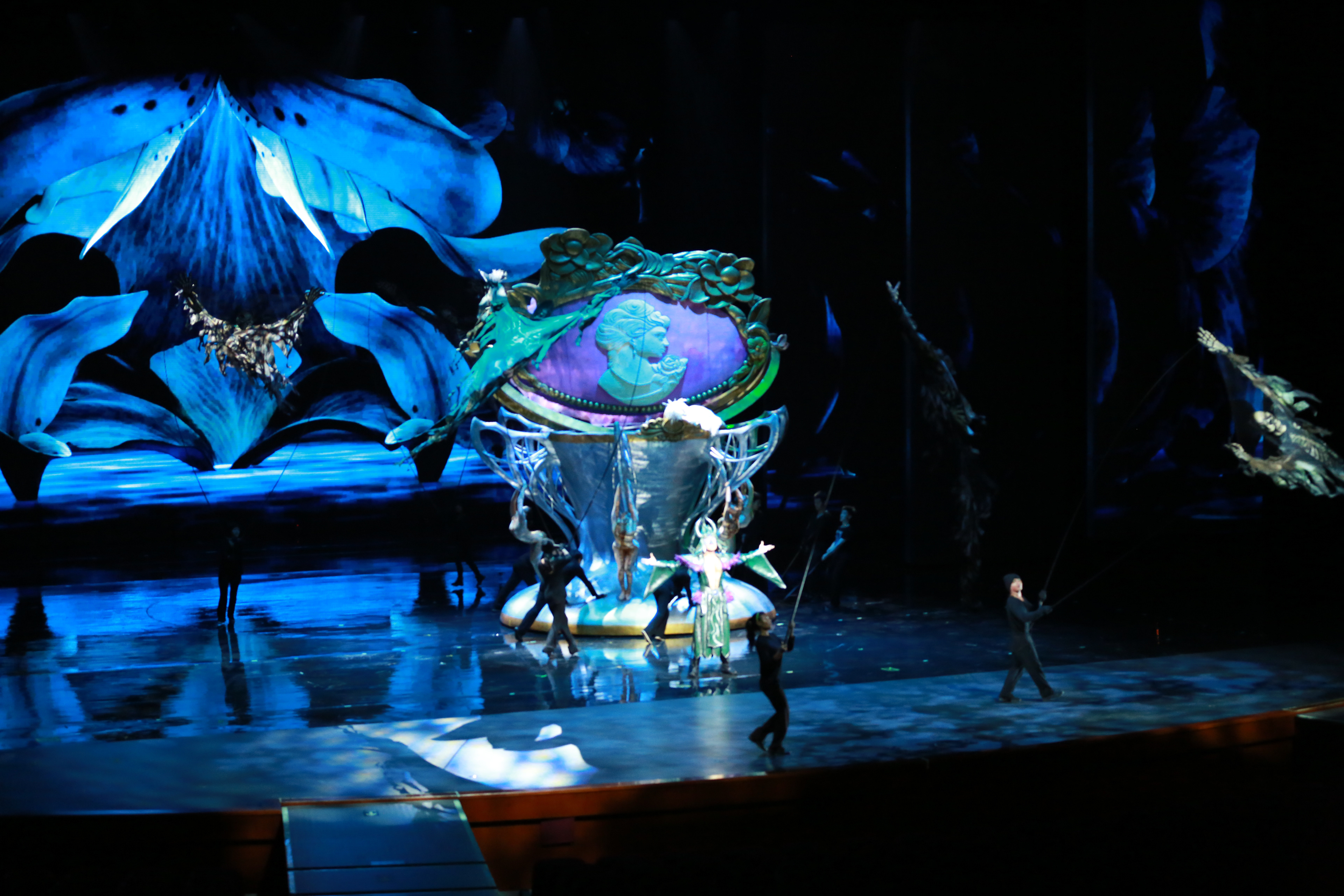




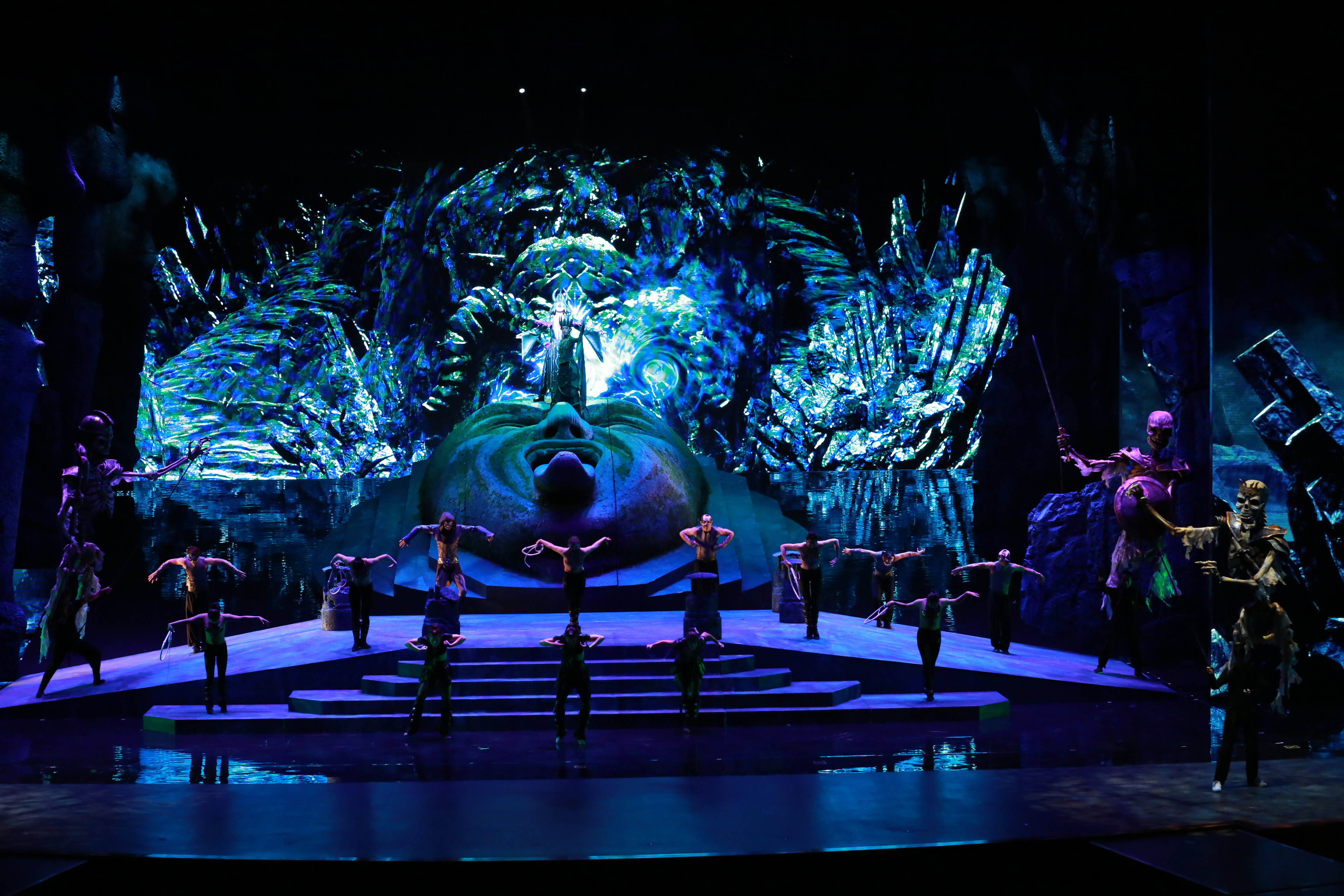


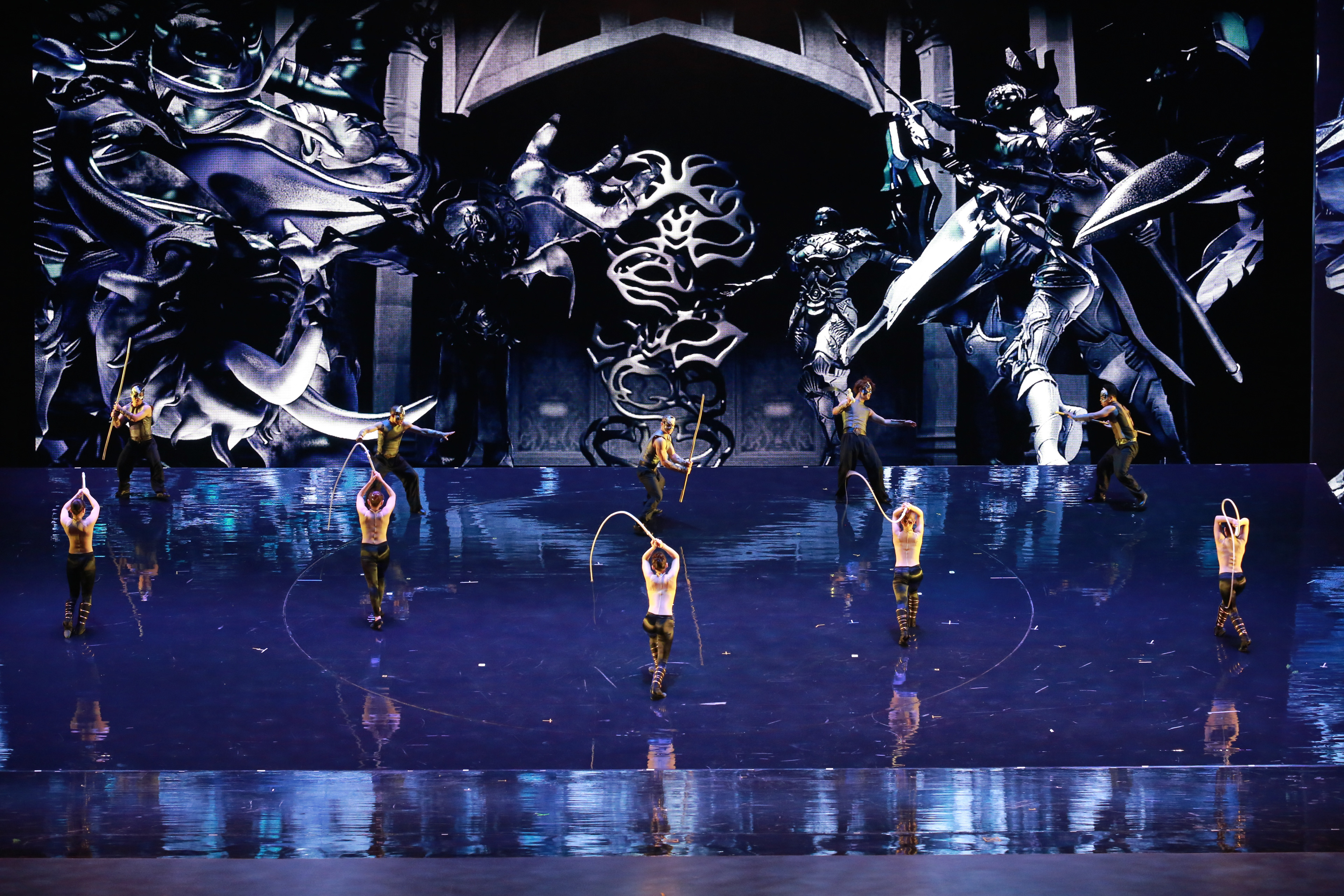
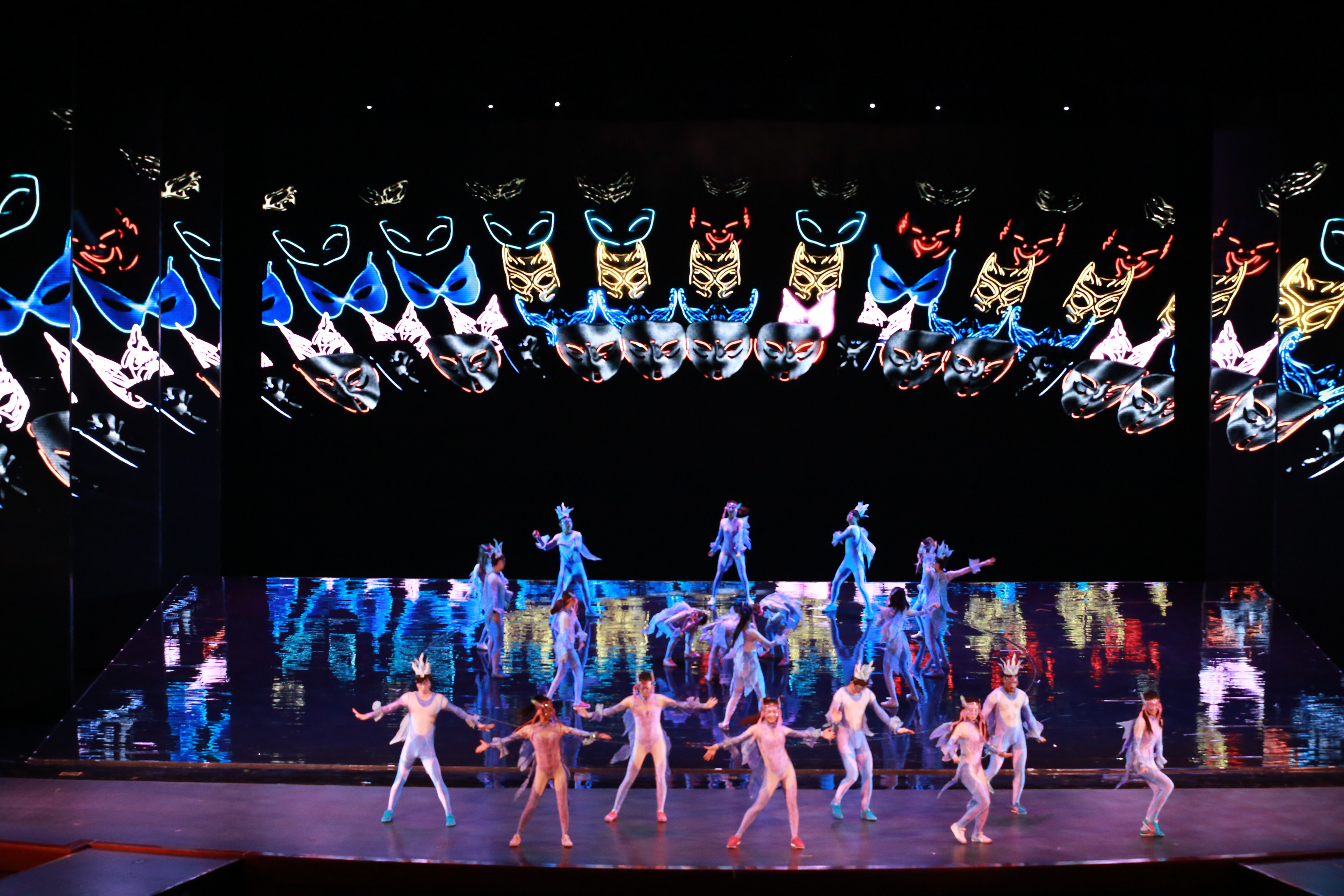

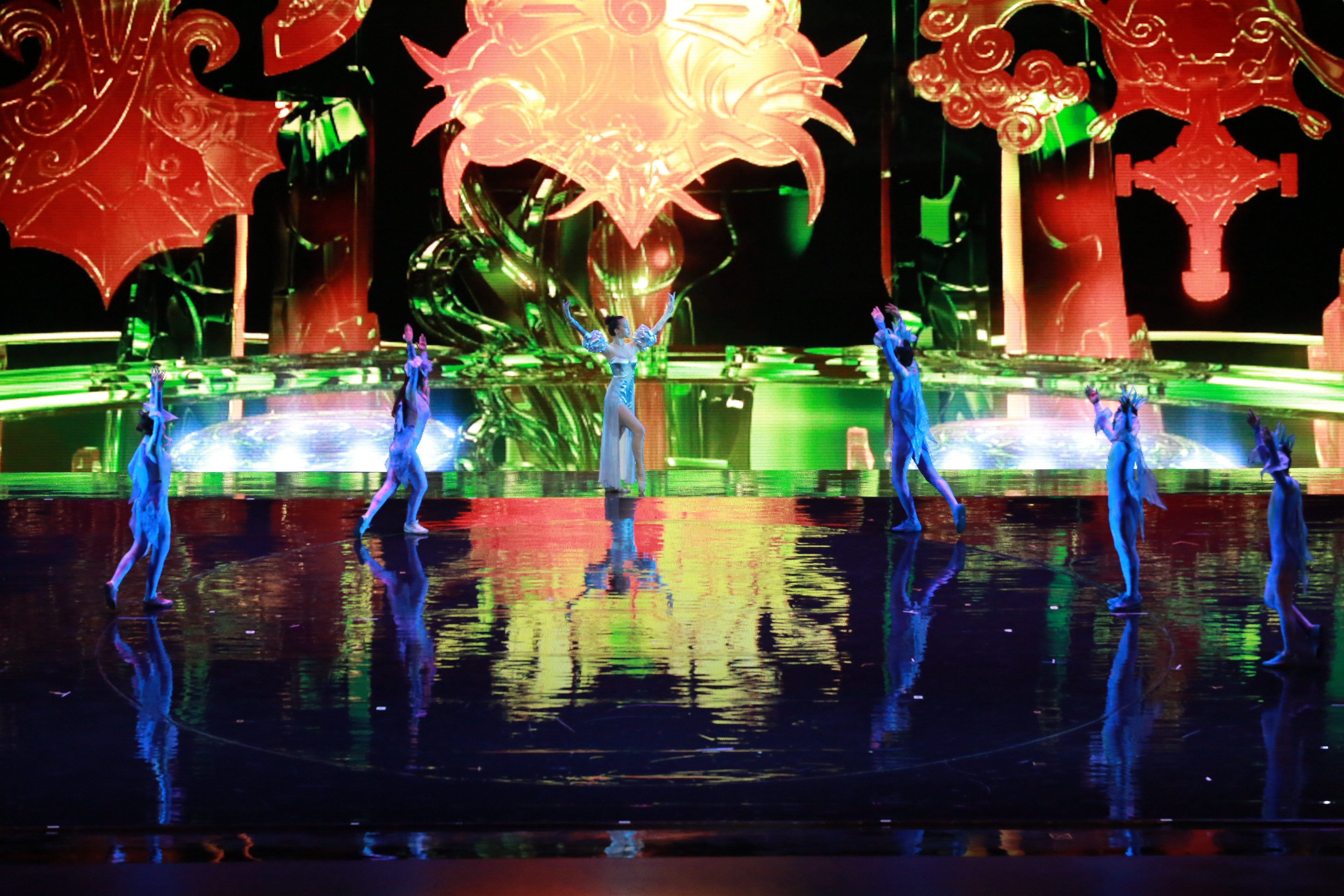
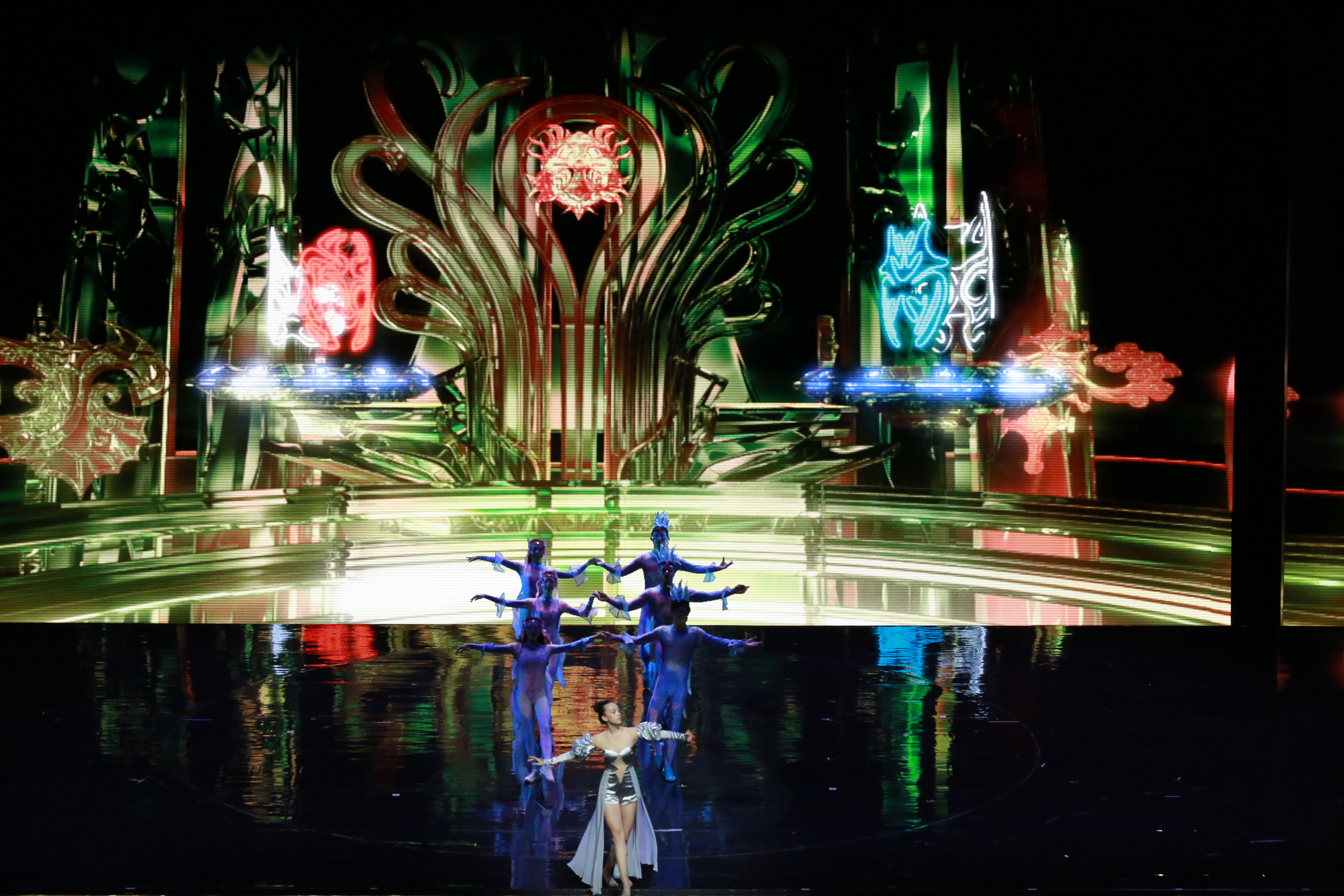
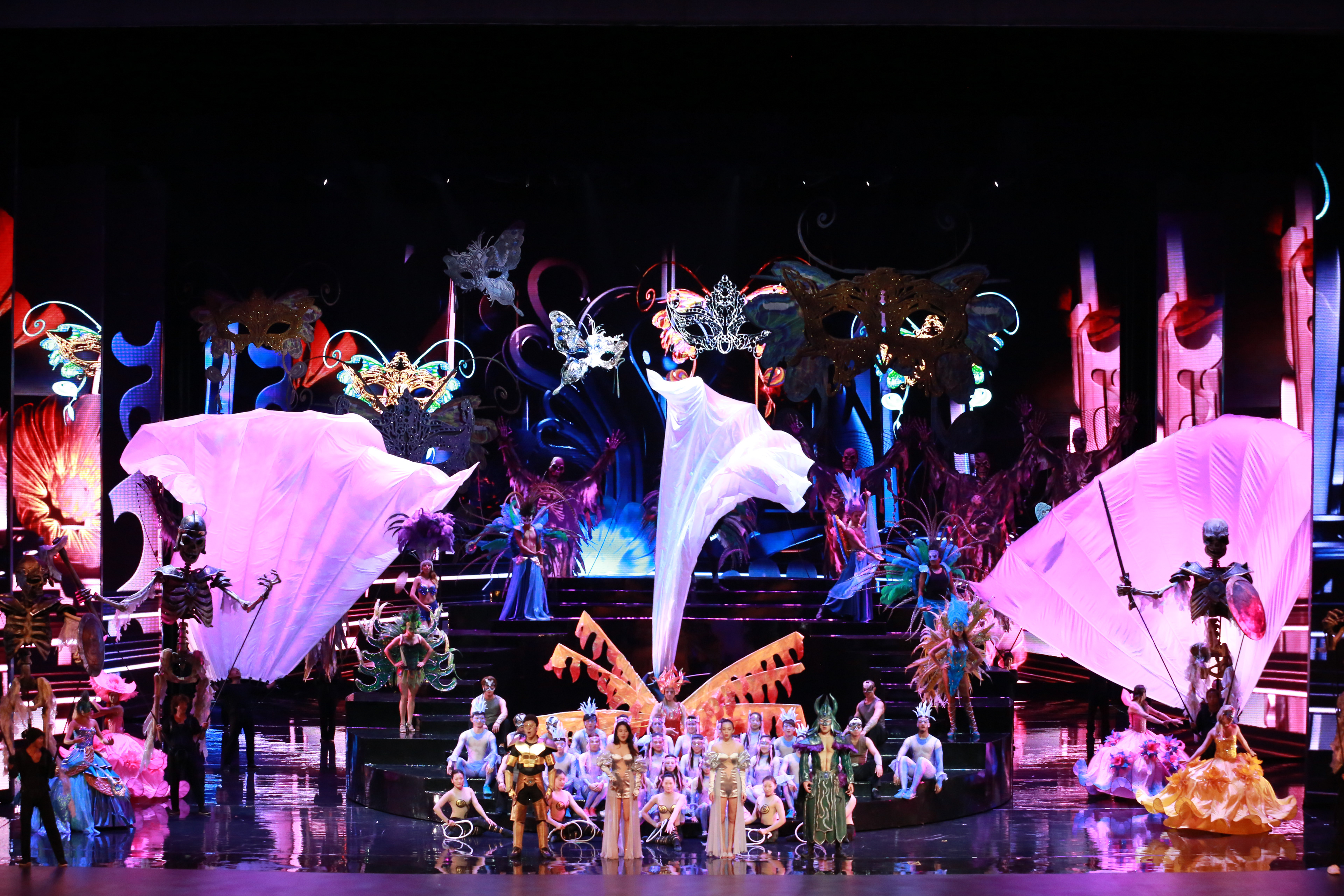
Flannery assembled an accomplished international creative team that included choreographers Melissa Barak, Charles Moulton and Alain Gauthier; composer Mark Chait; and celebrated puppet and kinetic designer Michael Curry; set designer Tom Cluff; costume designer Francine Lecoultre and lighting designer Garrett Caine. The production brought together performers from the United States, Brazil, Mongolia, South Africa and other countries, supported by a company that reportedly numbered as many as 300 cast, crew and operational personnel for each performance.
Chinese press described Illusion as the world’s first indoor panoramic stereoscopic 3D stage production and compared its visual impact to a theatrical version of Avatar. The achievement, however, was never intended as a demonstration of technology alone. As Flannery explained at the premiere, technological progress could advance the form of theatre, but compelling storytelling, distinctive movement and music capable of crossing cultural boundaries remained the essential measures of a production’s success.
Presented nightly for a year, Illusion represented a significant advance in the integration of live performance and digital scenography. It helped establish Flannery as an early innovator in China’s rapidly expanding destination-entertainment industry and became an important foundation for the multimedia spectacles and immersive theatrical environments he would subsequently create in Asia.
Chinese press described Illusion as the world’s first indoor panoramic stereoscopic 3D stage production and compared its visual impact to a theatrical version of Avatar. The achievement, however, was never intended as a demonstration of technology alone. As Flannery explained at the premiere, technological progress could advance the form of theatre, but compelling storytelling, distinctive movement and music capable of crossing cultural boundaries remained the essential measures of a production’s success.
Presented nightly for a year, Illusion represented a significant advance in the integration of live performance and digital scenography. It helped establish Flannery as an early innovator in China’s rapidly expanding destination-entertainment industry and became an important foundation for the multimedia spectacles and immersive theatrical environments he would subsequently create in Asia.