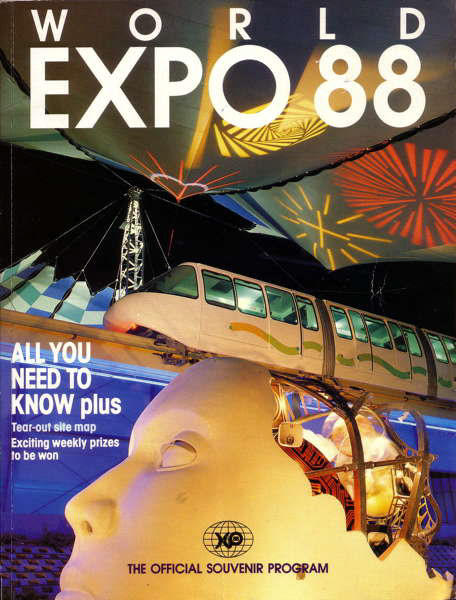
For World Expo 88 in Brisbane, Australia, Daniel Flannery served as site lighting designer, producer of special attractions, and creative associate to Artistic Director John Truscott. The appointment reunited Flannery with the two-time Academy Award-winning designer following their earlier collaborations on the Victorian Arts Centre in Melbourne and the Super Bowl XX Halftime Show. Together, they approached the Expo not simply as a collection of international pavilions, but as a continuously unfolding theatrical environment.
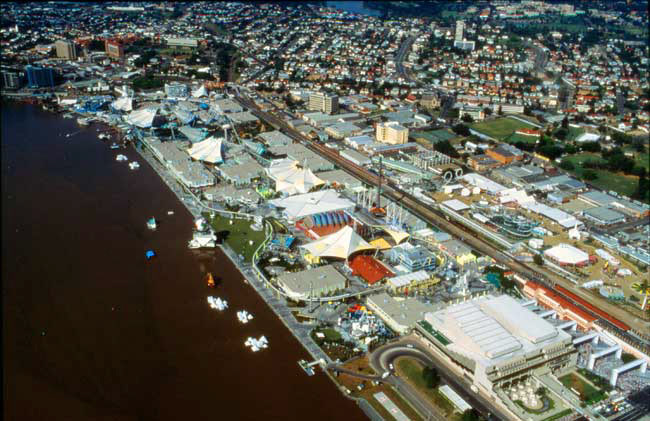
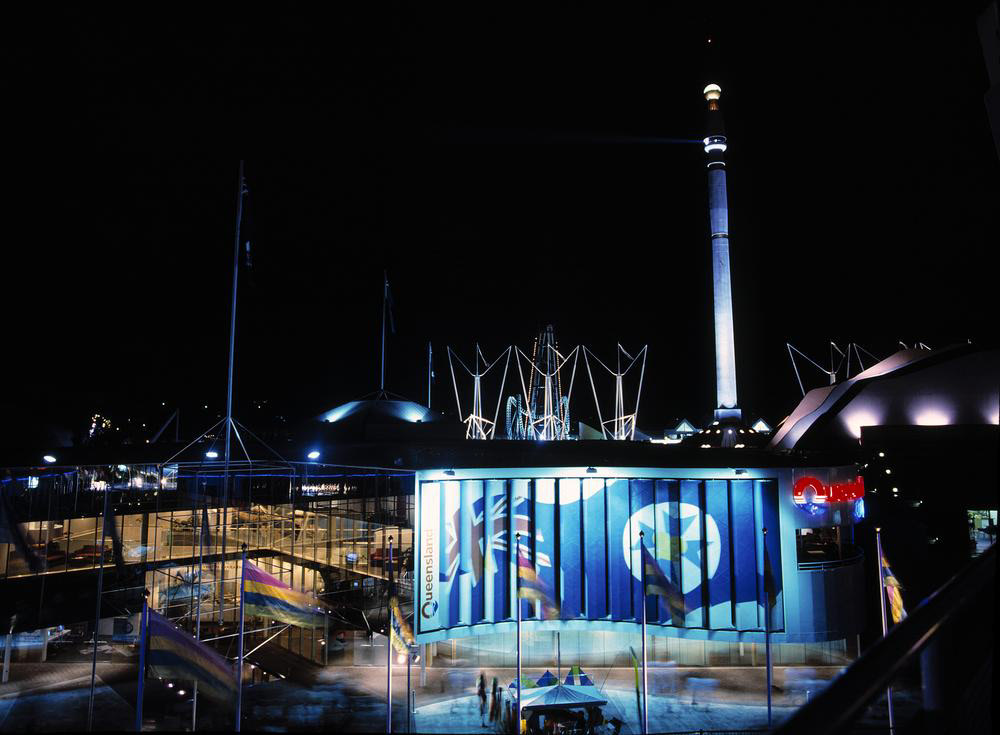
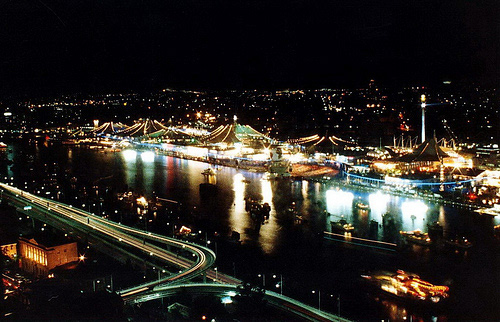
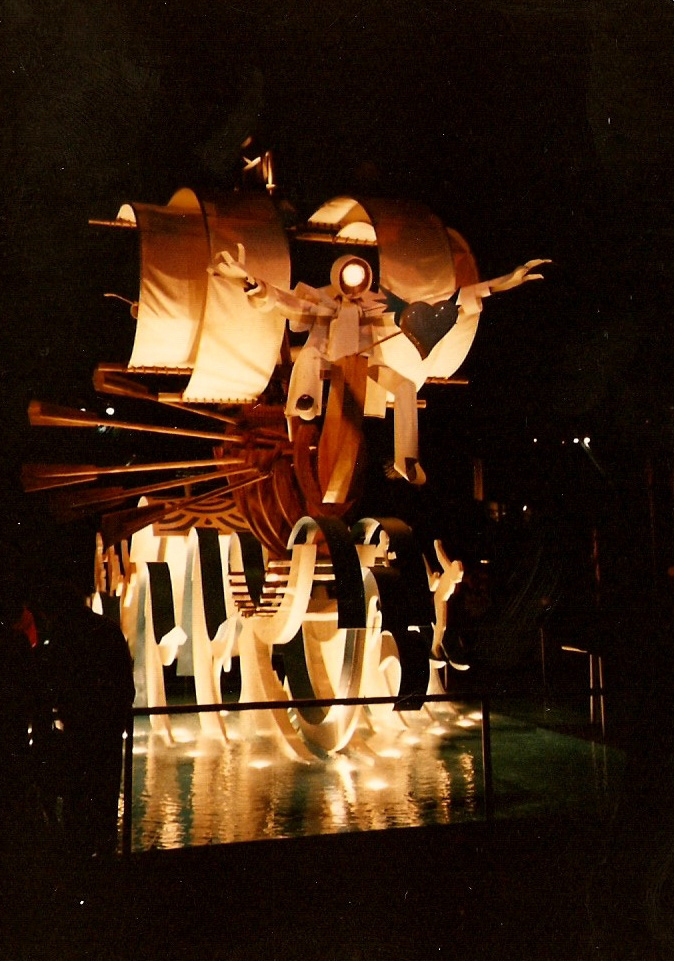
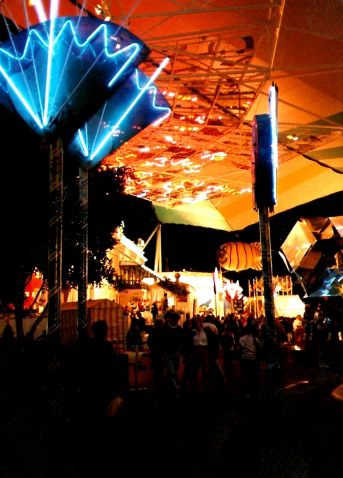
Held along the Brisbane River from April through October 1988, the Expo underwent a remarkable transformation after sunset. Flannery’s lighting extended across the architecture, landscape, public spaces, artworks, performance areas and principal landmarks of the site. He used light not merely for illumination, but to establish atmosphere, reveal color and texture, guide visitors through the grounds and create a distinctive nighttime identity.
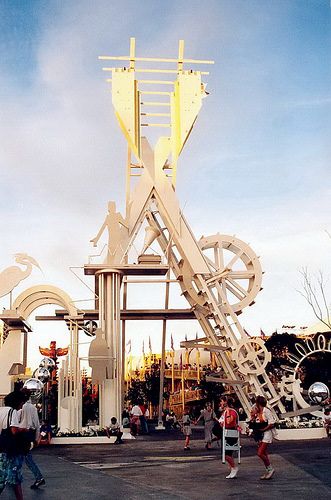
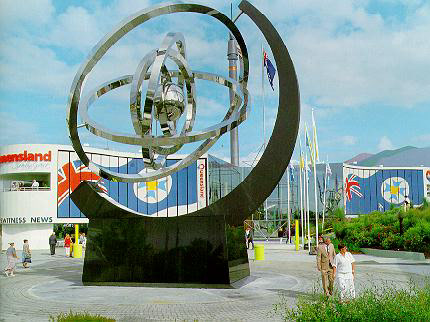
Under Truscott’s artistic direction, the site was filled with flags, sculpture, fountains, gardens, outdoor stages, strolling performers and vividly composed public spaces. Flannery’s lighting brought these elements together after dark, turning the riverfront into a luminous theatrical landscape. Pavilions, pathways, geometric sculptures and entertainment areas became part of a unified nighttime composition, while the 88-meter Skyneedle projected a brilliant beam over Brisbane and contributed to the nightly fireworks and laser spectacles.
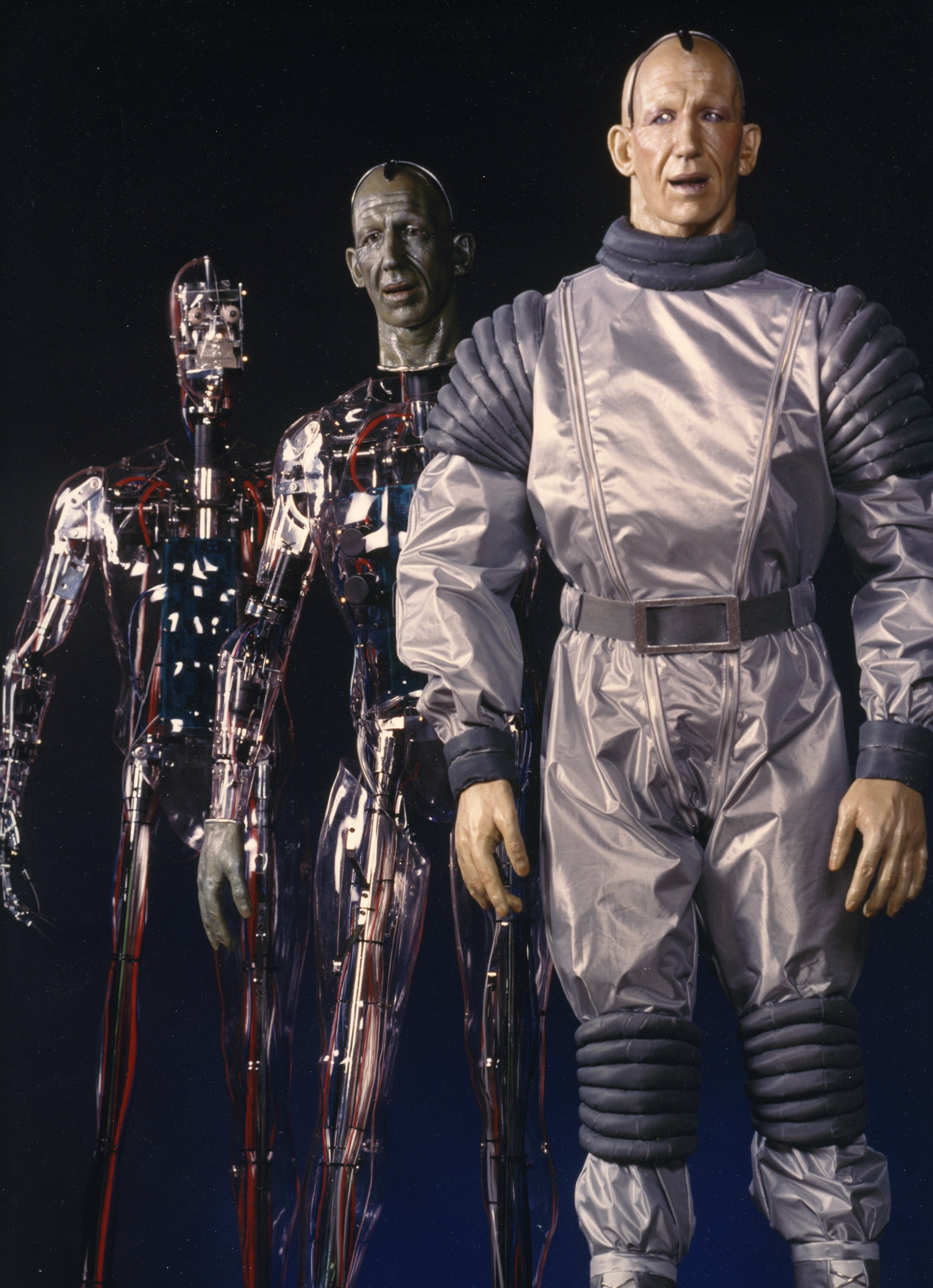
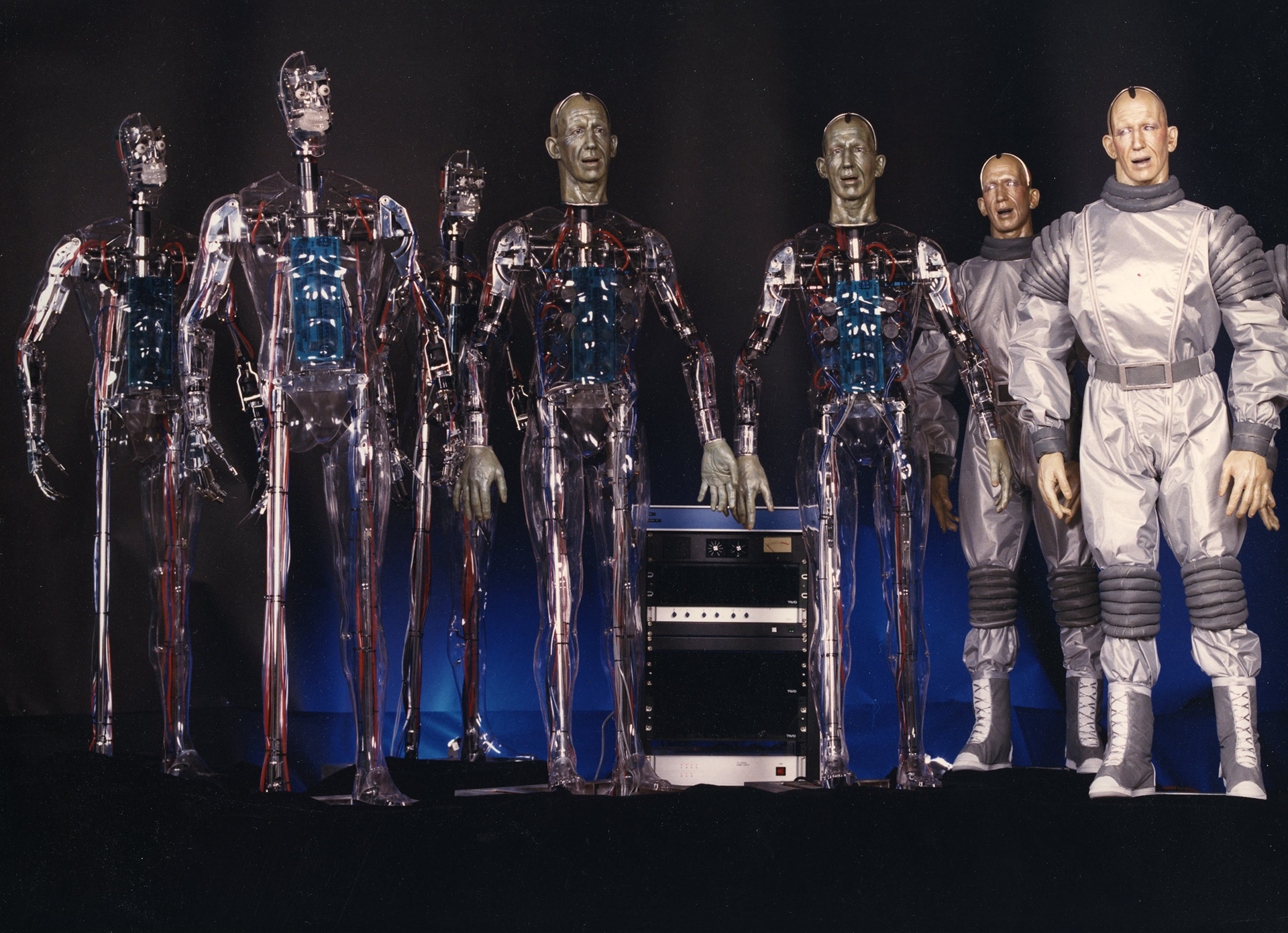
Flannery also introduced interactive entertainment technologies that added personality and theatrical engagement to the visitor experience. He commissioned audio-animatronic characters constructed in the United States and installed within illuminated glass pyramids throughout the Expo grounds. These characters welcomed visitors, provided information and directions, and transformed practical guest communication into entertainment. Rather than relying solely upon conventional signs, Flannery gave the Expo animated hosts that could speak directly to its audience.
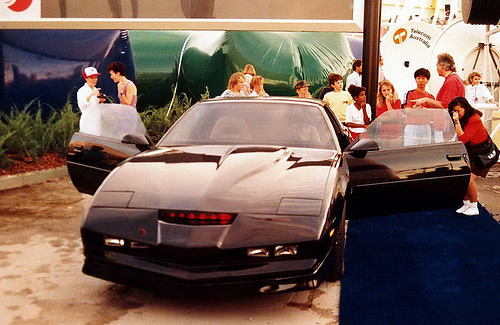
Drawing upon his relationship with Universal Studios, Flannery also brought KITT, the celebrated talking car from the television series Knight Rider, to Expo 88. The interactive exhibit became especially popular with families: visitors could approach the famous vehicle, ask it questions and even sit behind the wheel. KITT brought a recognizable symbol of contemporary film and television technology to an exposition devoted to “Leisure in the Age of Technology.”
The overall design helped change the public perception of a world exposition as principally a daytime destination. At Expo 88, sunset introduced a second and distinctly different experience. Visitors remained into the evening—or returned specifically at night—to encounter the illuminated grounds, concerts, street entertainment, interactive attractions, laser presentations and nightly fireworks. Lighting became an attraction in its own right and contributed significantly to the popularity of nighttime visitation.
Expo 88 welcomed more than 18.5 million visitors, more than twice its original projection, and became a defining event in Brisbane’s cultural and urban transformation. Its success demonstrated the power of lighting, entertainment and interactive design to extend visitation, animate public space and create an enduring emotional identity for a major international destination.
World Expo ’88 helped transform Brisbane’s riverfront into a stage for the world, contributing to the city’s emergence as an international destination. For Flannery, the project was another important expression of his ability to treat an entire site as theatre—using light, technology and storytelling to transform how a place is experienced and remembered.
World Expo ’88 helped transform Brisbane’s riverfront into a stage for the world, contributing to the city’s emergence as an international destination. For Flannery, the project was another important expression of his ability to treat an entire site as theatre—using light, technology and storytelling to transform how a place is experienced and remembered.