

In the late 1970s, Disney Imagineers Rick Rothschild and John Levy approached Flannery about joining the creative development of EPCOT Center, then one of the most ambitious projects ever undertaken by WED Enterprises—today known as Walt Disney Imagineering.
Engaged as a scenographic and lighting design consultant to WED, Flannery designed the theatrical lighting for two of EPCOT’s original attractions: The American Adventure in World Showcase and Kitchen Kabaret in The Land pavilion. He also consulted on the development of Journey Into Imagination.
Flannery brought a distinctly theatrical perspective to a creative organization whose celebrated artists and Imagineers had largely emerged from film, animation, architecture and theme-park design. His experience designing Broadway and Off-Broadway productions gave him a specialized understanding of dramatic composition—how light could focus attention, reveal scenery, shape transitions, establish historical periods and support an emotional narrative before a live audience.
That expertise was particularly important to The American Adventure, an extraordinarily complex theatrical presentation combining monumental scenic environments, film, music, lighting and 35 Audio-Animatronic figures. Hosted by Benjamin Franklin and Mark Twain, the production stages defining episodes from American history using an intricate system that moves entire settings and characters into position from beneath and behind the stage.
Drawing upon his experience in theatre and as a director of photography for film and television, Flannery devised a lighting scheme with the visual richness and carefully controlled composition of cinema. The challenge was to integrate projected imagery with dimensional scenery and Audio-Animatronic performers so completely that the audience would perceive them as a single visual world. His design dissolved the boundaries between filmed and physical elements, creating a seamless succession of cinematic stage pictures.
Engaged as a scenographic and lighting design consultant to WED, Flannery designed the theatrical lighting for two of EPCOT’s original attractions: The American Adventure in World Showcase and Kitchen Kabaret in The Land pavilion. He also consulted on the development of Journey Into Imagination.
Flannery brought a distinctly theatrical perspective to a creative organization whose celebrated artists and Imagineers had largely emerged from film, animation, architecture and theme-park design. His experience designing Broadway and Off-Broadway productions gave him a specialized understanding of dramatic composition—how light could focus attention, reveal scenery, shape transitions, establish historical periods and support an emotional narrative before a live audience.
That expertise was particularly important to The American Adventure, an extraordinarily complex theatrical presentation combining monumental scenic environments, film, music, lighting and 35 Audio-Animatronic figures. Hosted by Benjamin Franklin and Mark Twain, the production stages defining episodes from American history using an intricate system that moves entire settings and characters into position from beneath and behind the stage.
Drawing upon his experience in theatre and as a director of photography for film and television, Flannery devised a lighting scheme with the visual richness and carefully controlled composition of cinema. The challenge was to integrate projected imagery with dimensional scenery and Audio-Animatronic performers so completely that the audience would perceive them as a single visual world. His design dissolved the boundaries between filmed and physical elements, creating a seamless succession of cinematic stage pictures.
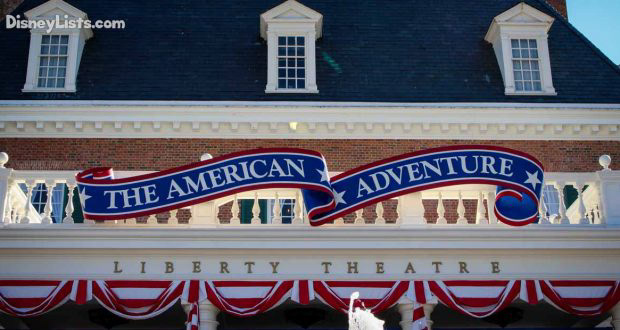
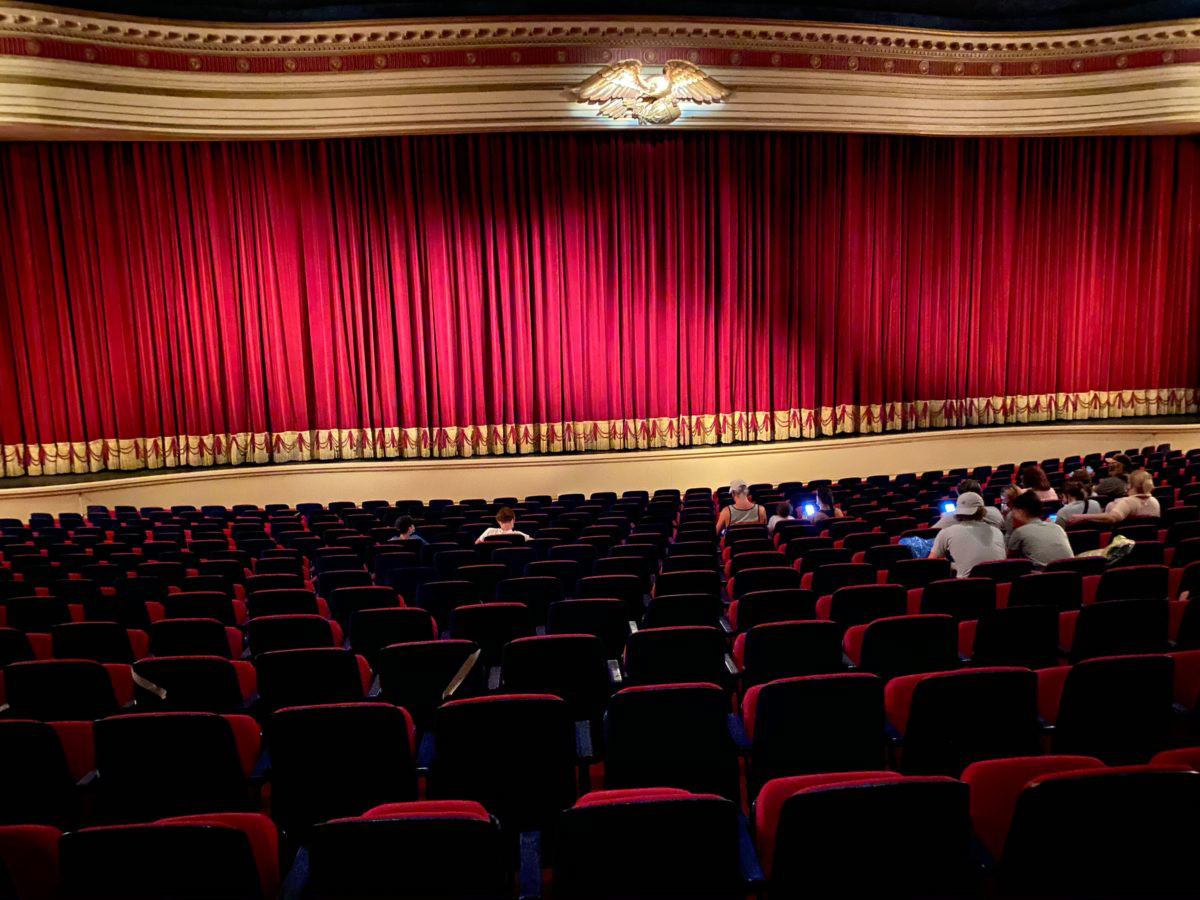
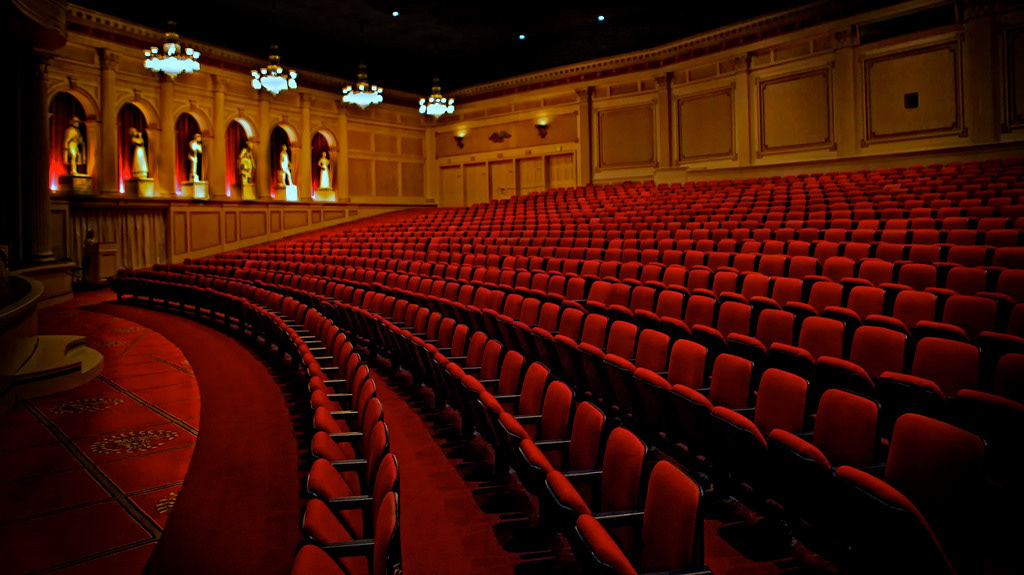
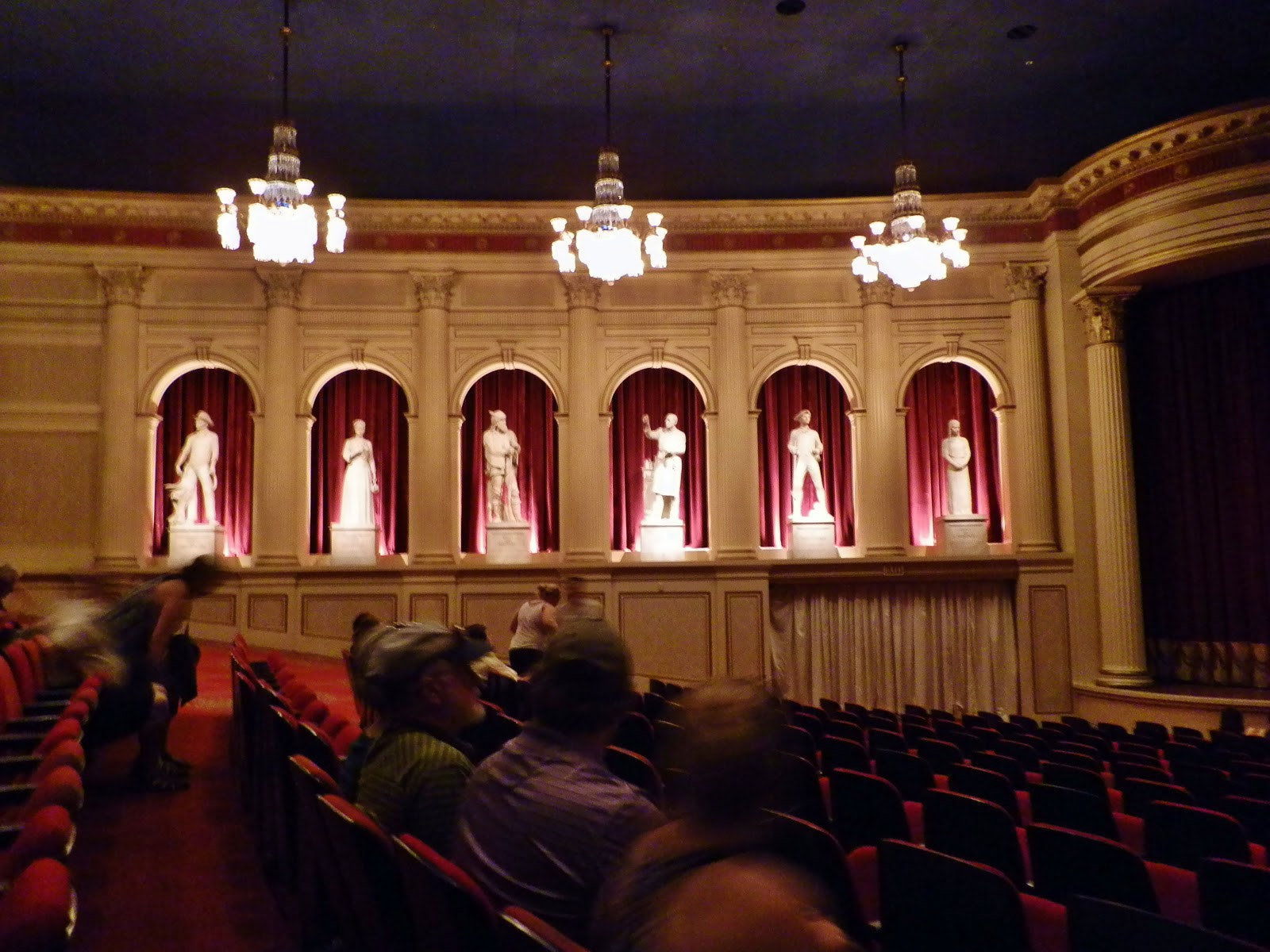
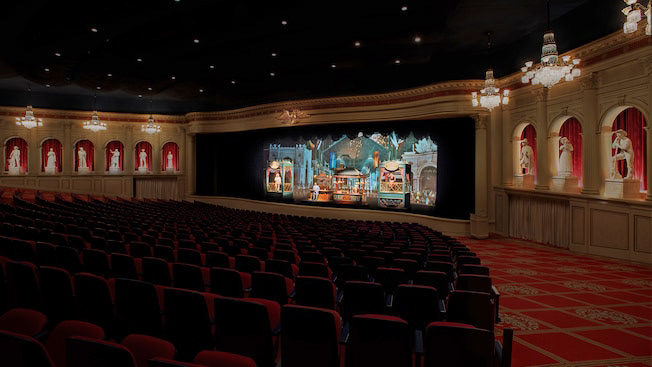
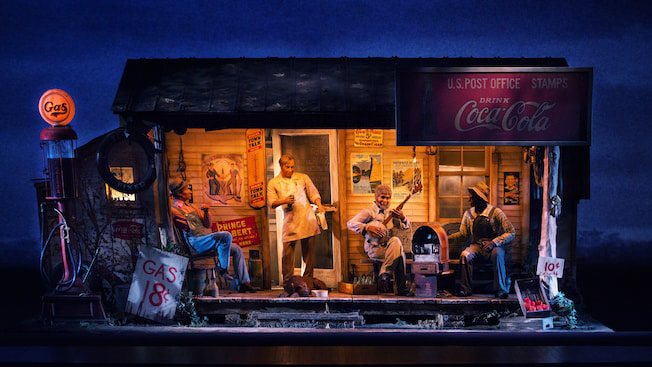
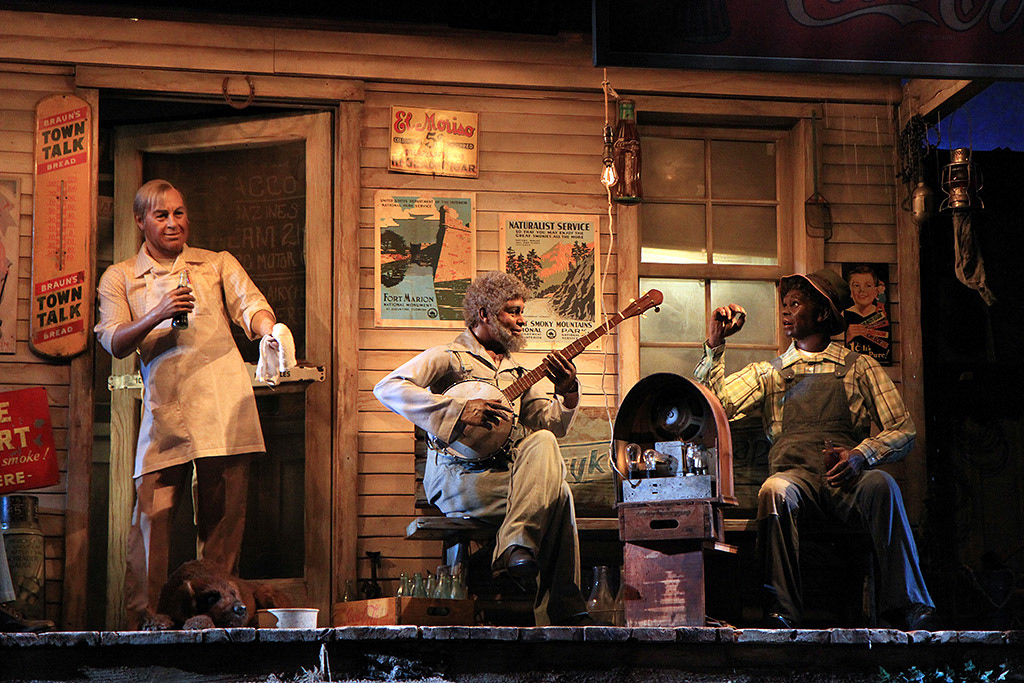
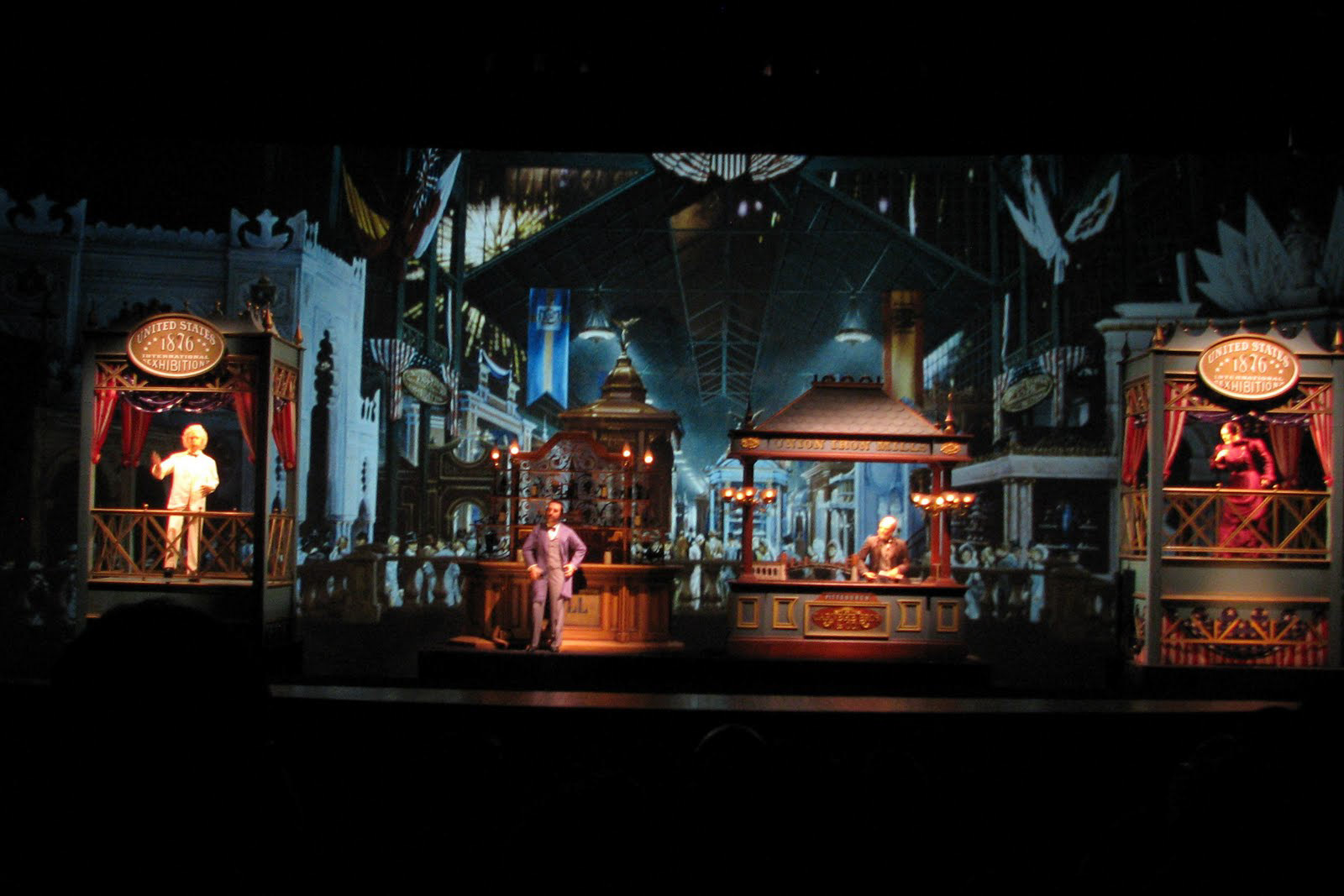
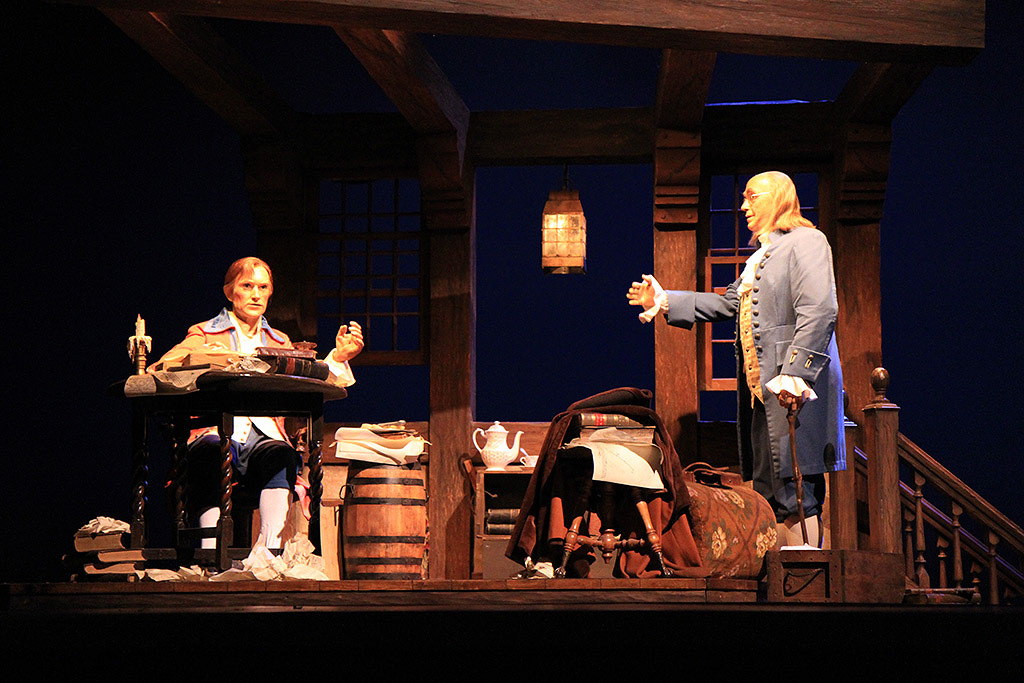
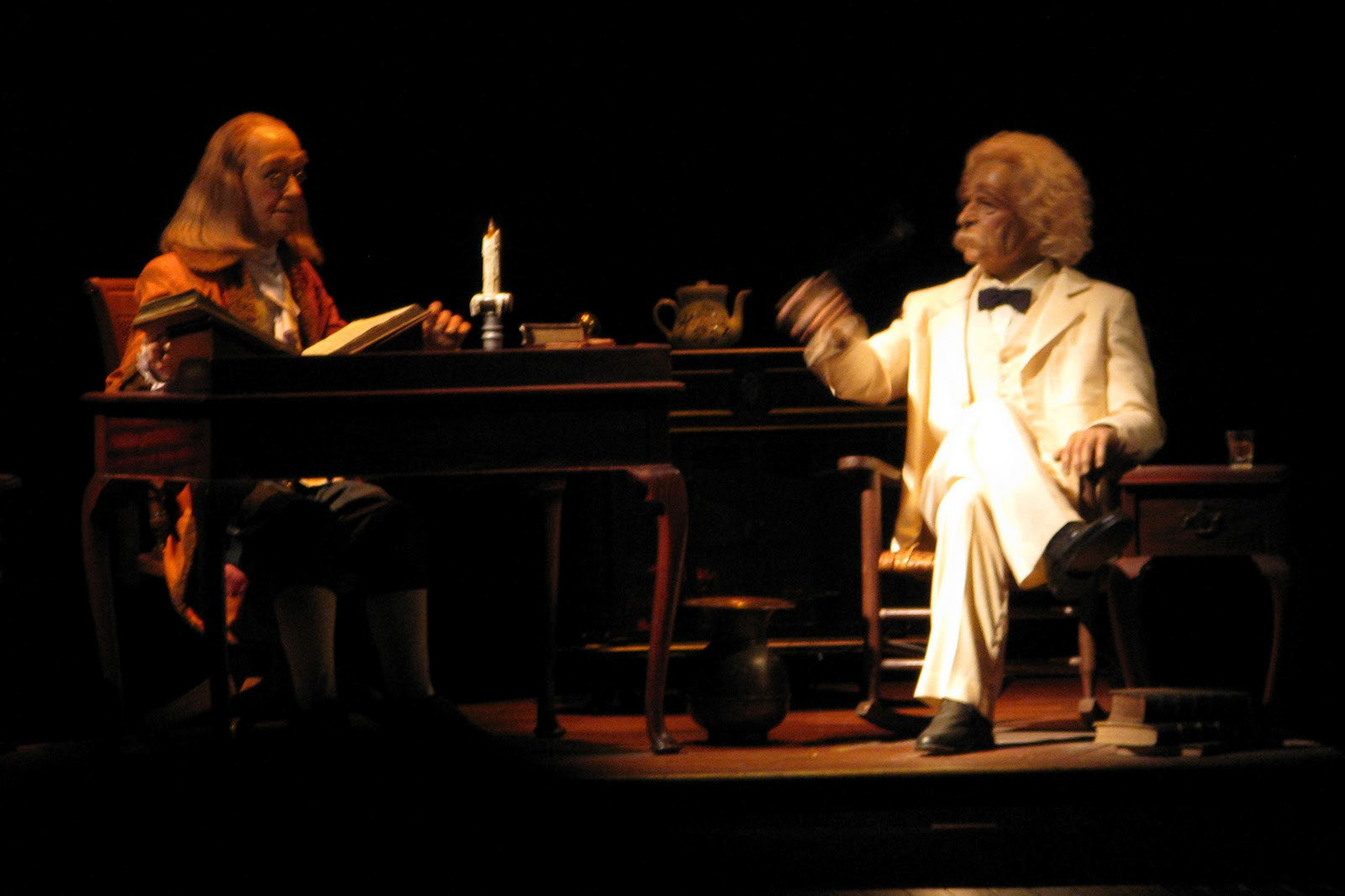
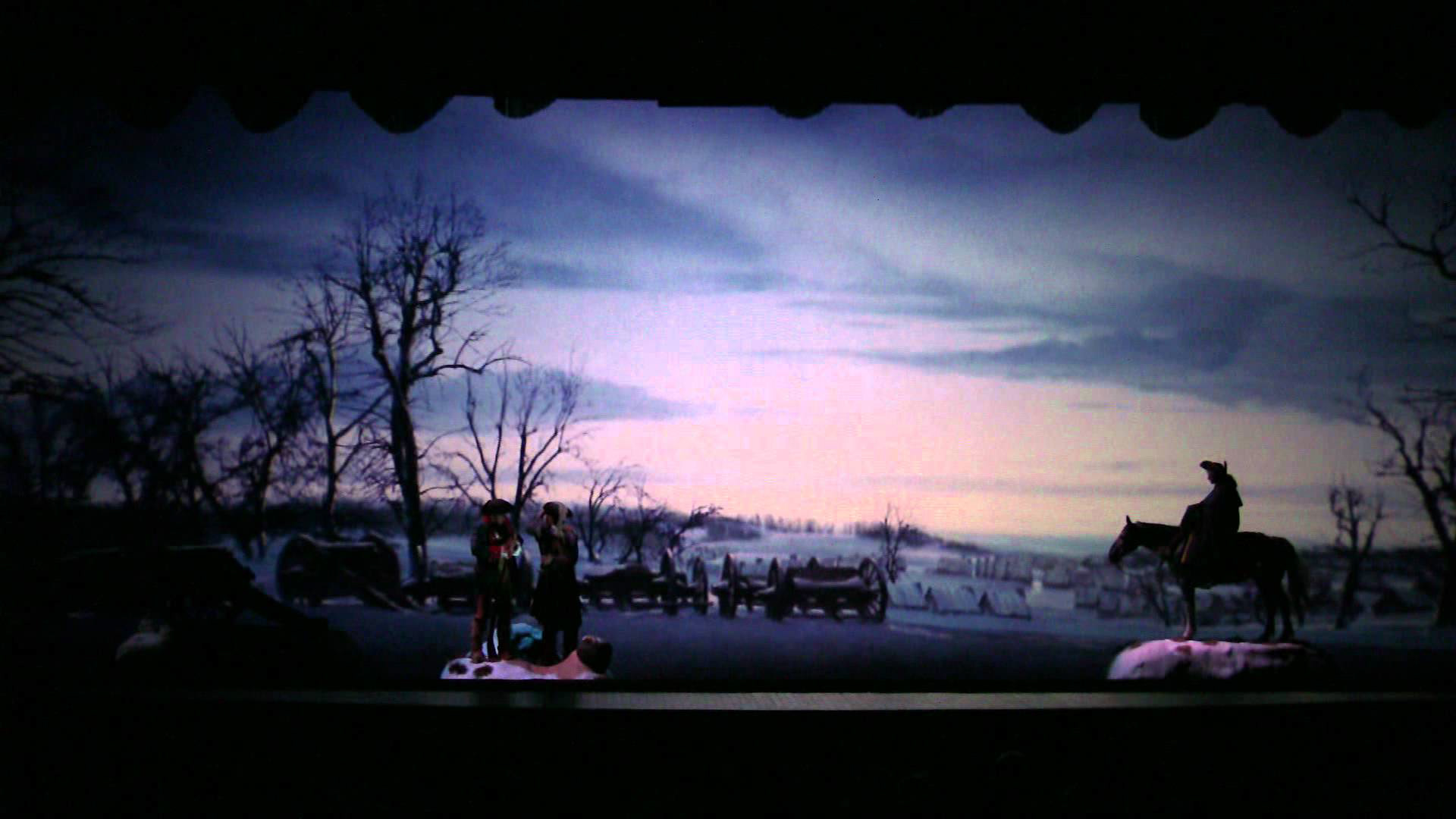

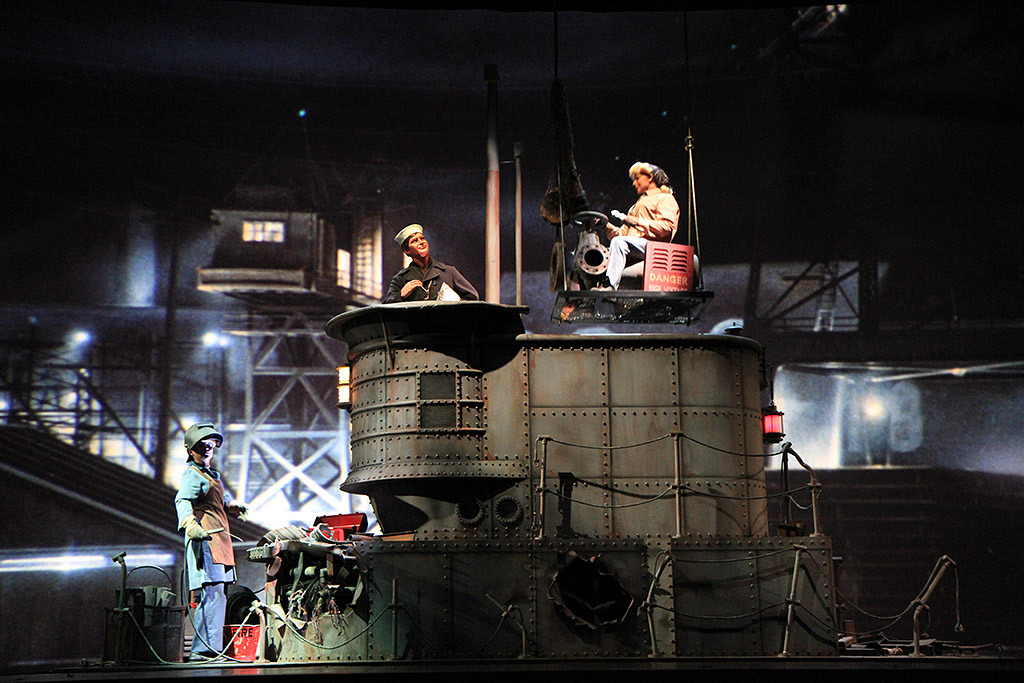

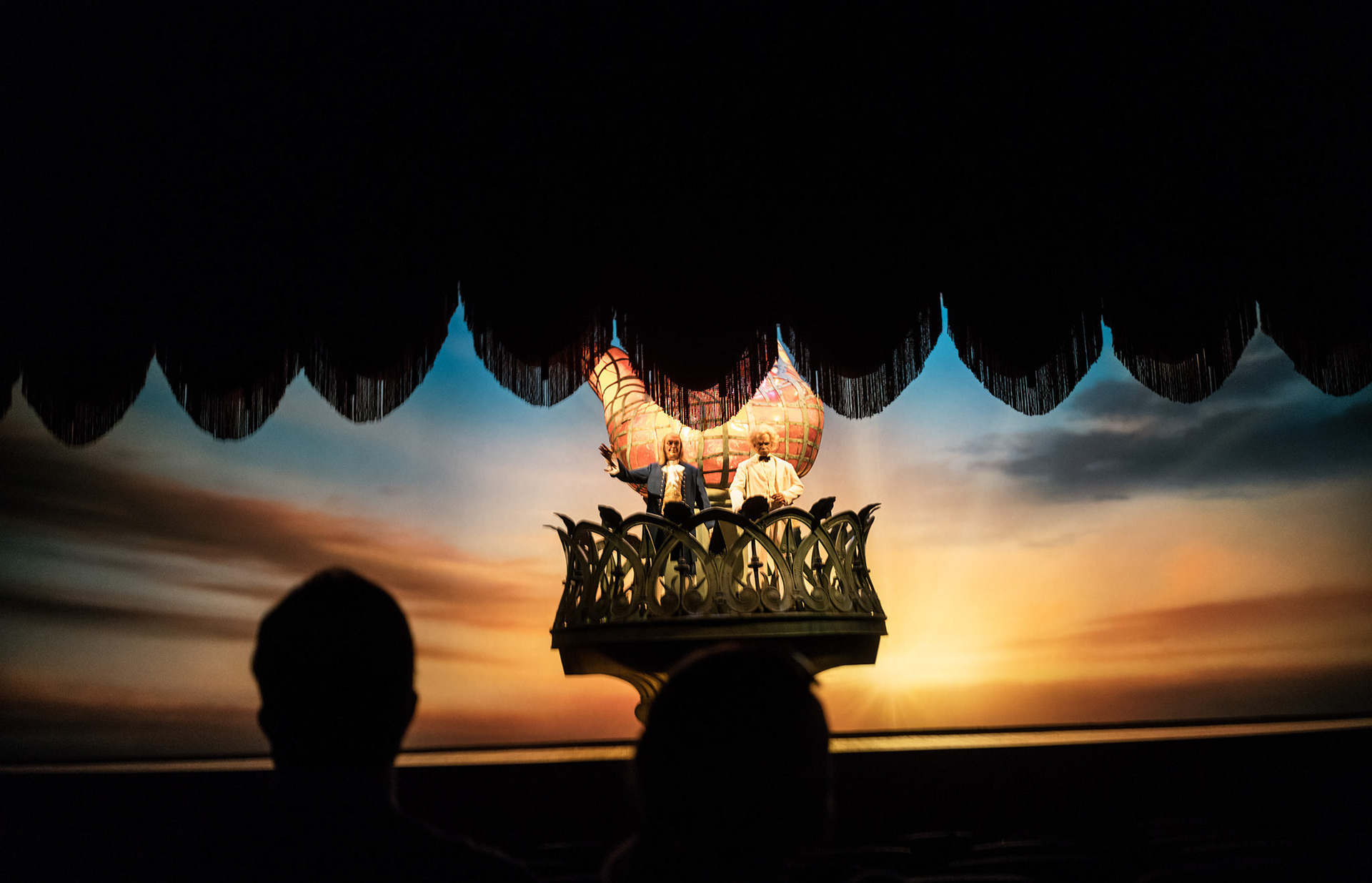
Opening with EPCOT Center on October 1, 1982, The American Adventure became one of the park’s signature achievements and has remained in continuous operation for more than four decades. Reviewers have praised the attraction’s remarkable staying power and its integration of storytelling, music, film, Audio-Animatronics and massive scenic transformations. One contemporary EPCOT retrospective ranked it among the park’s leading attractions, observing that its “clever mix of audio-animatronics, film, music, and effective writing” has allowed the show to remain powerful and relevant.
Flannery’s work on EPCOT represented an important expansion of his creative practice. It demonstrated how the combined principles of Broadway stagecraft and motion-picture cinematography could be applied to permanent destination entertainment and began an association with major themed attractions that would eventually encompass projects for both Disney and Universal Studios around the world.
Flannery’s work on EPCOT represented an important expansion of his creative practice. It demonstrated how the combined principles of Broadway stagecraft and motion-picture cinematography could be applied to permanent destination entertainment and began an association with major themed attractions that would eventually encompass projects for both Disney and Universal Studios around the world.
