Daniel Flannery conceived, produced and directed “Celebration,” the culminating artistic act of the 1984 Los Angeles Olympic Closing Ceremony—one of the defining achievements of his career and one of the most memorable spectacles in Olympic history.
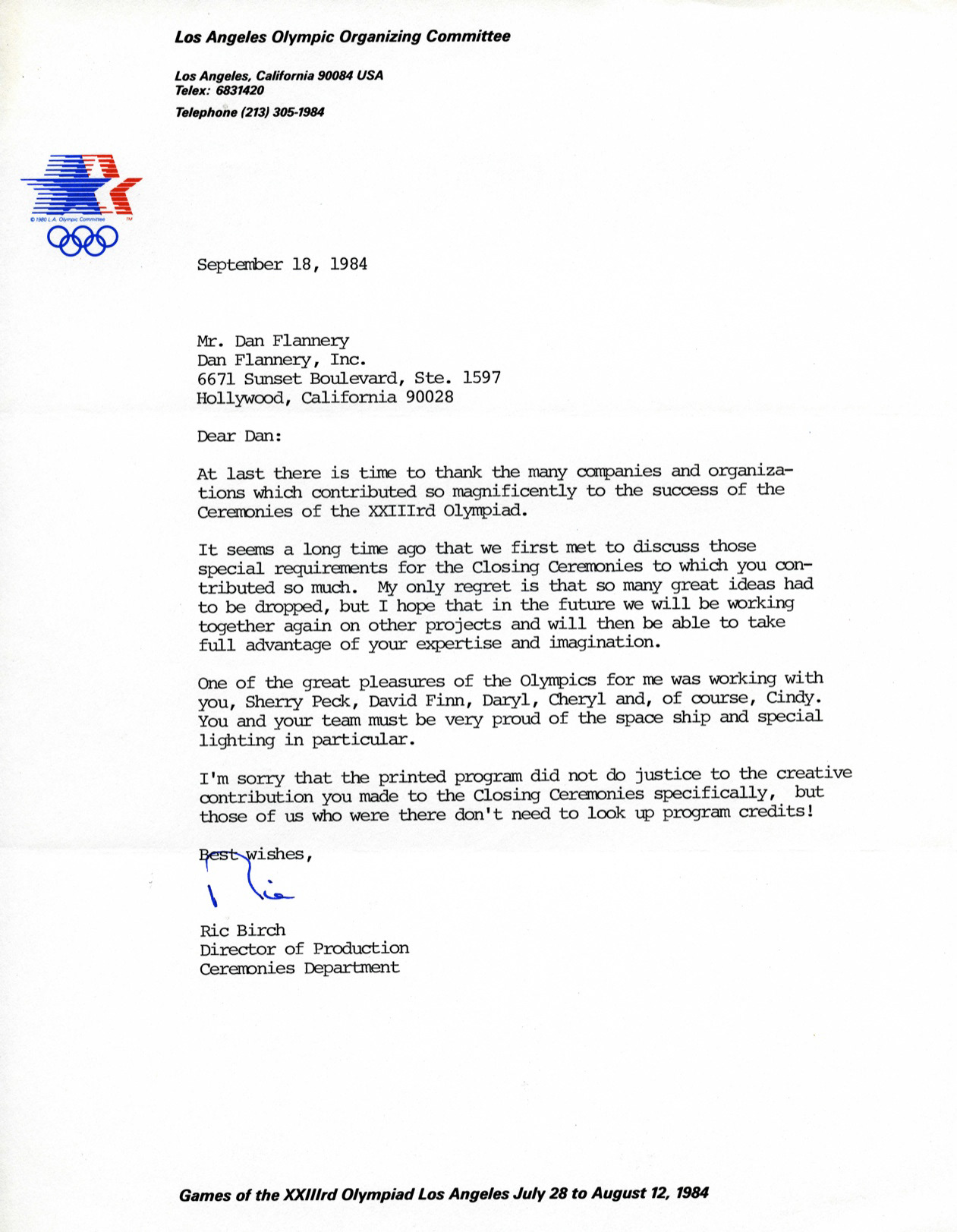
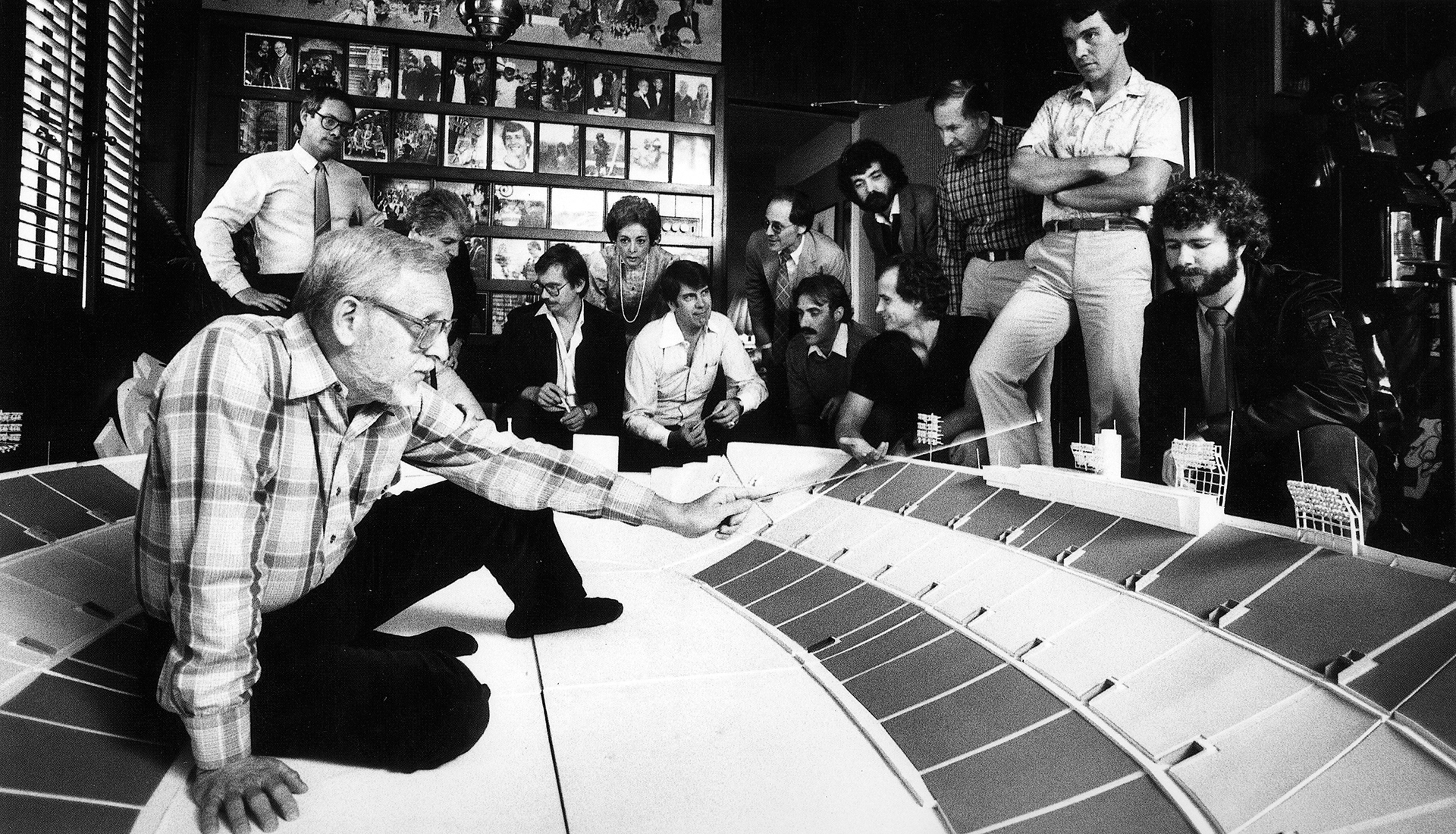
Executive producer David L. Wolper, acting on the recommendation of legendary showman Tommy Walker, brought Flannery into the project as one of its earliest creative collaborators. The core ceremonies team was initially very small, and Flannery was engaged as a conceptualist with principal responsibility for developing the closing ceremony. As the production evolved, his role expanded: he was charged with producing and directing “Celebration,” while his production company supervised its special lighting, effects and other major production elements.
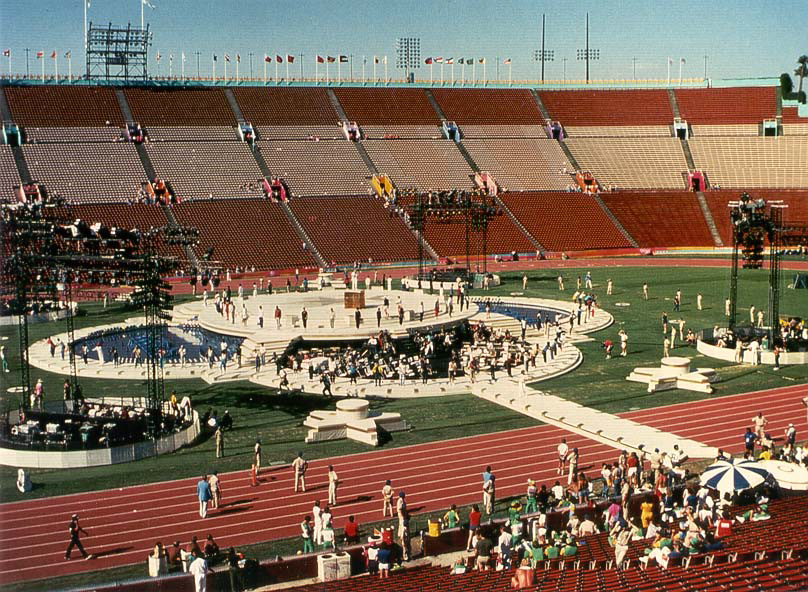
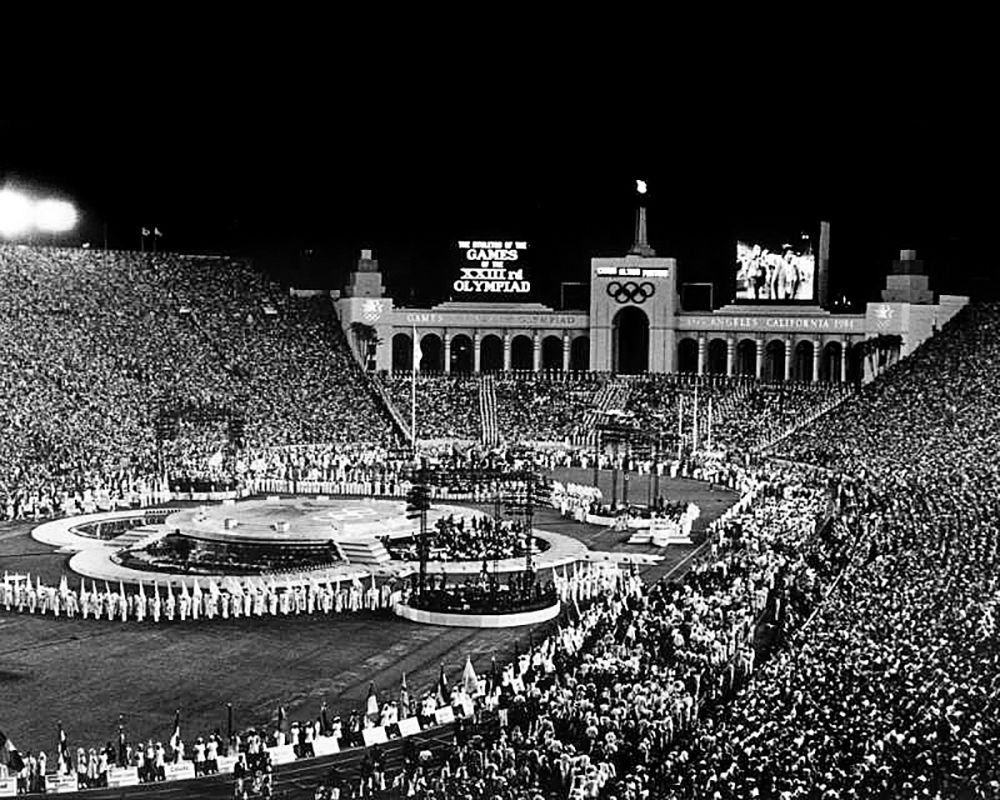
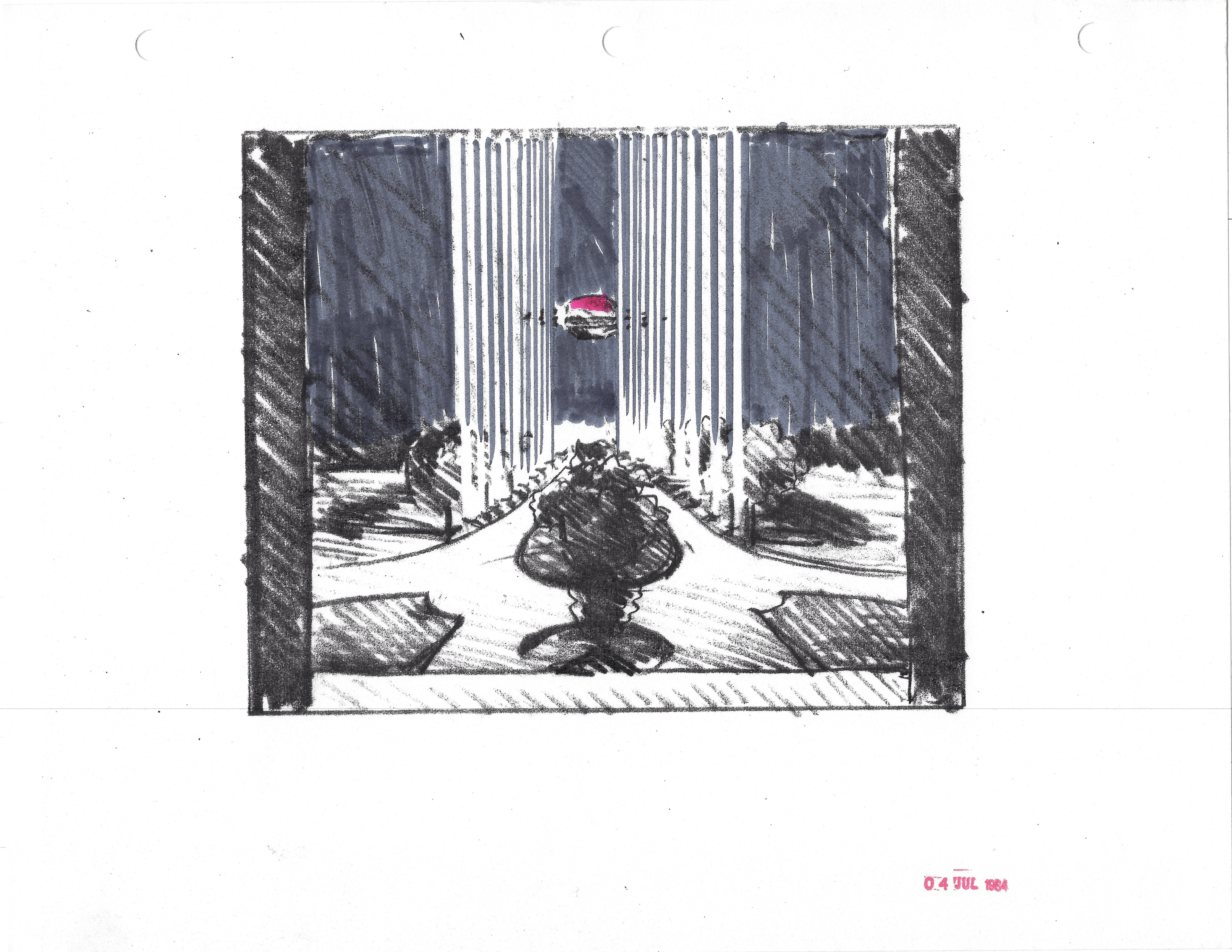
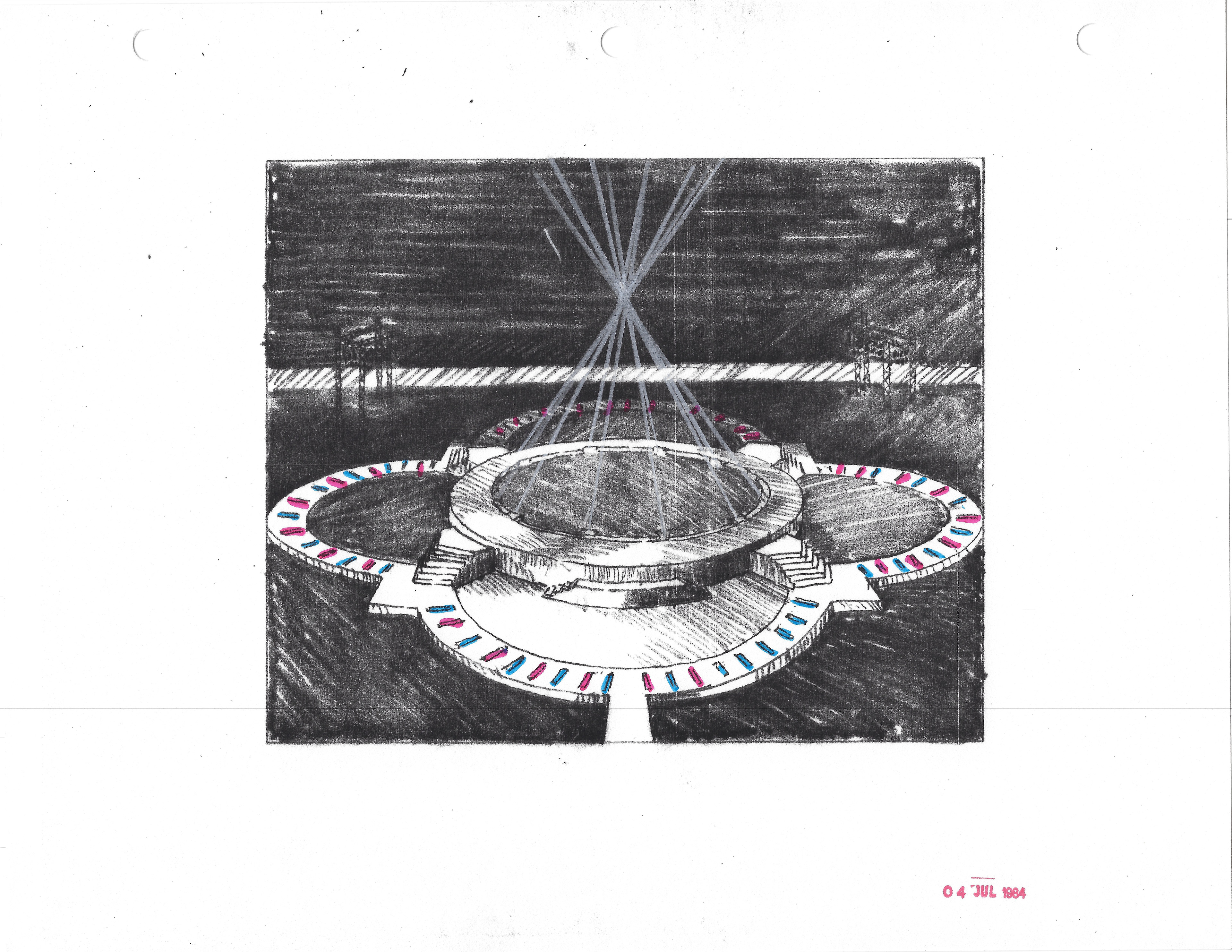
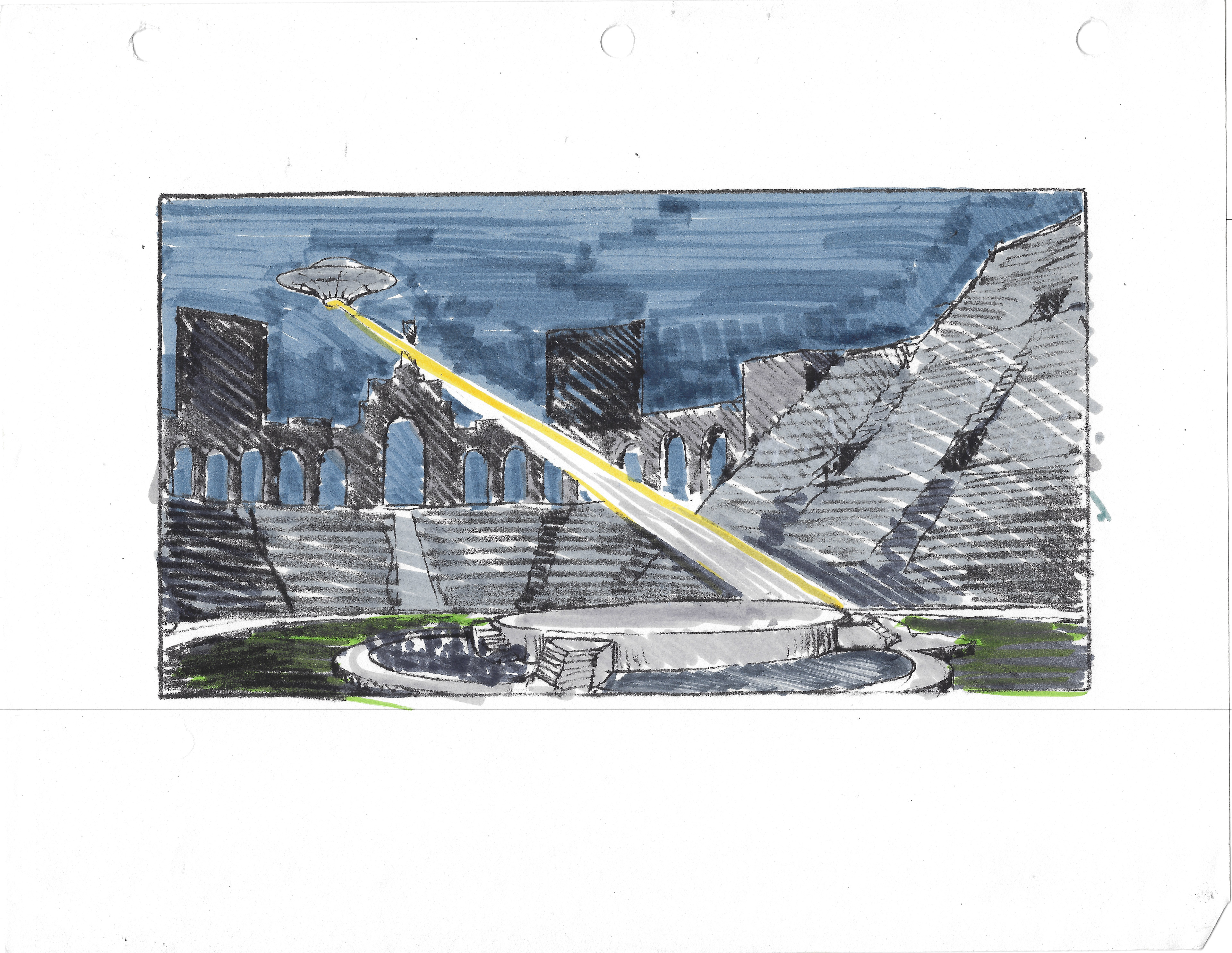
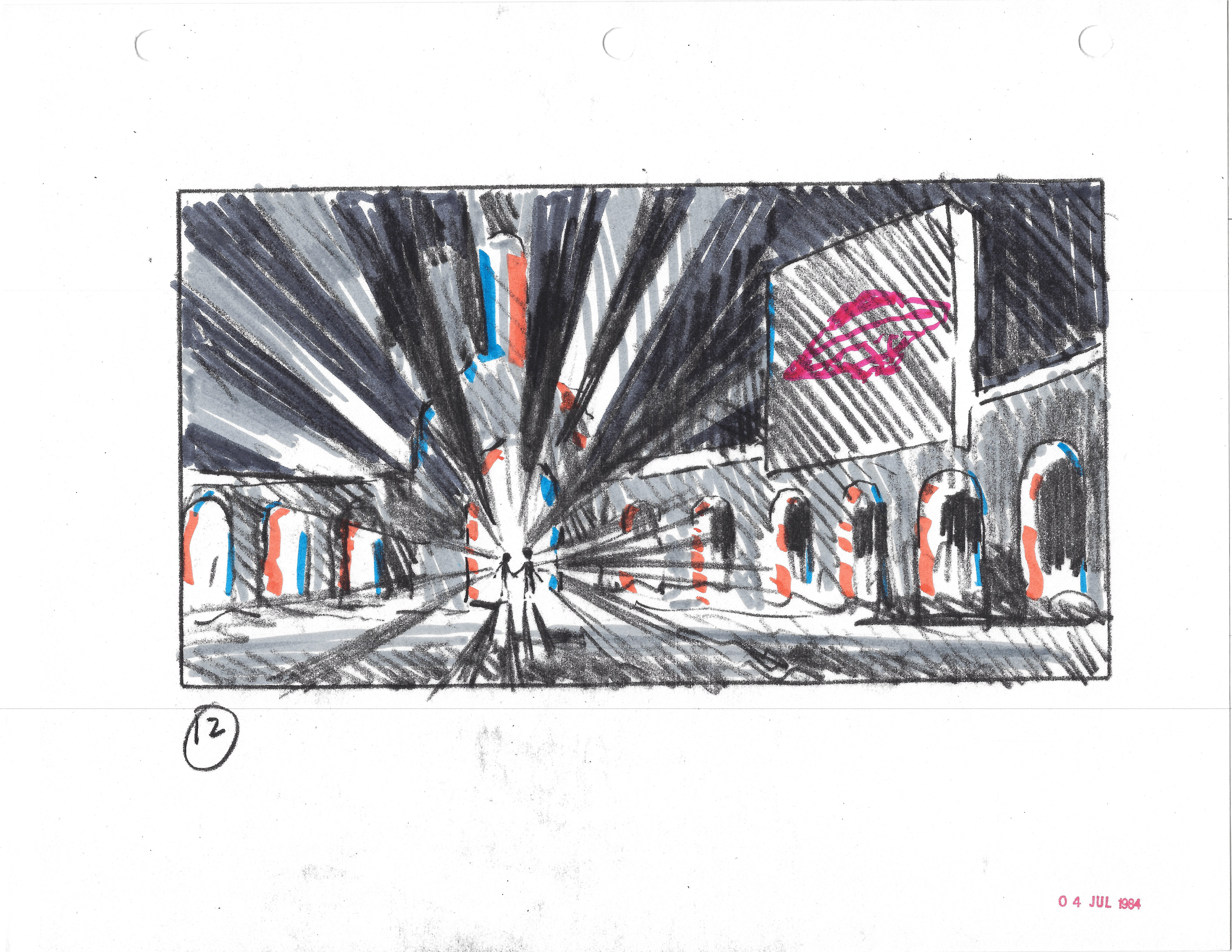
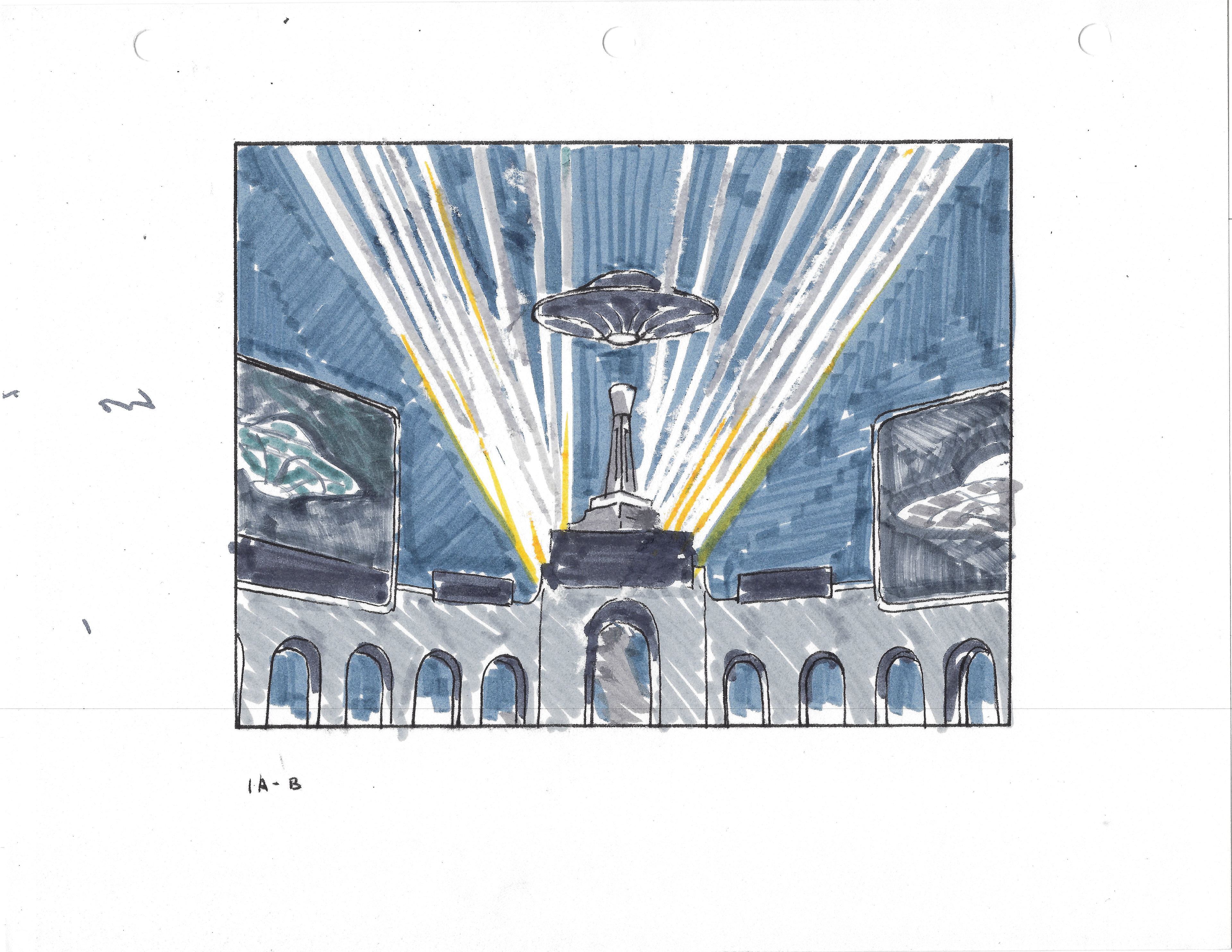
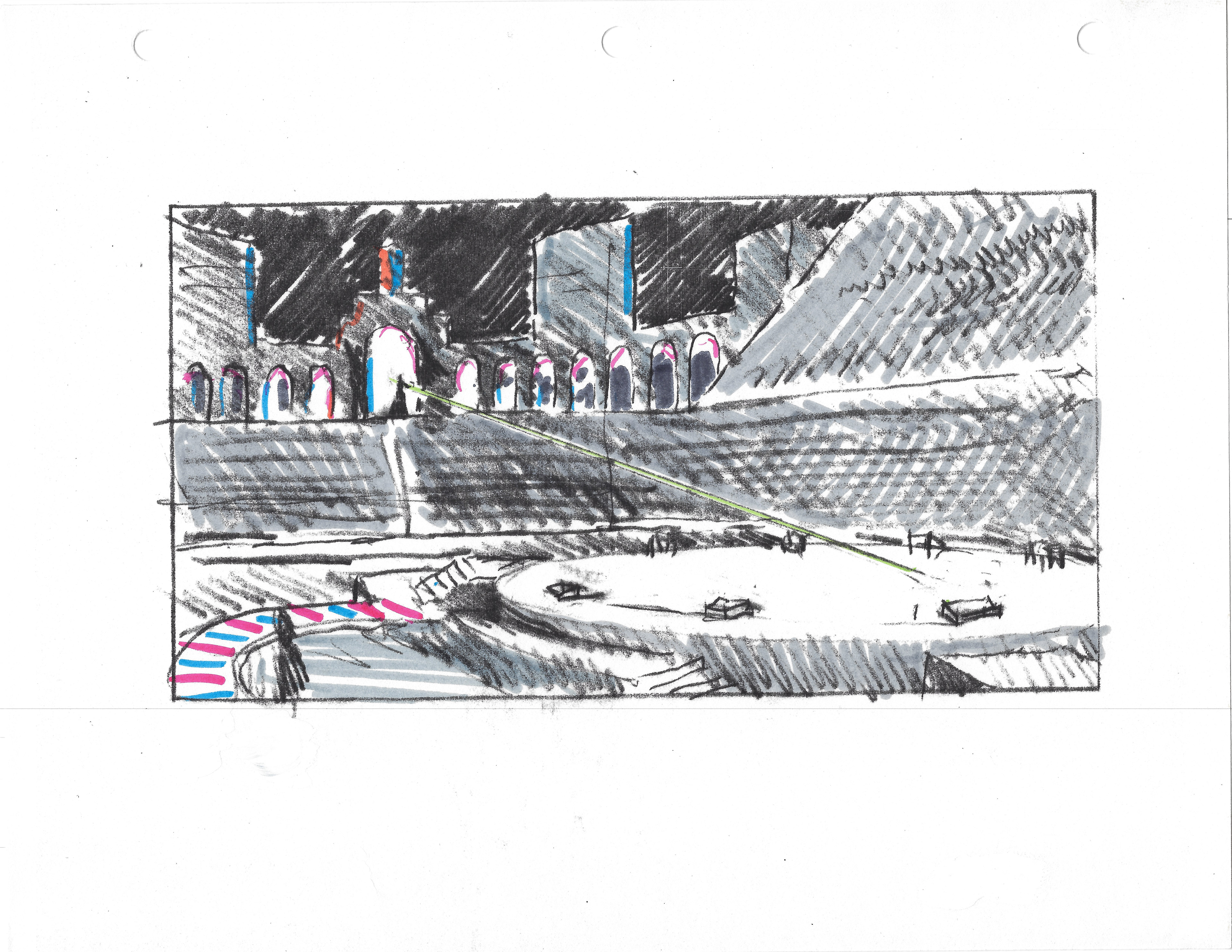
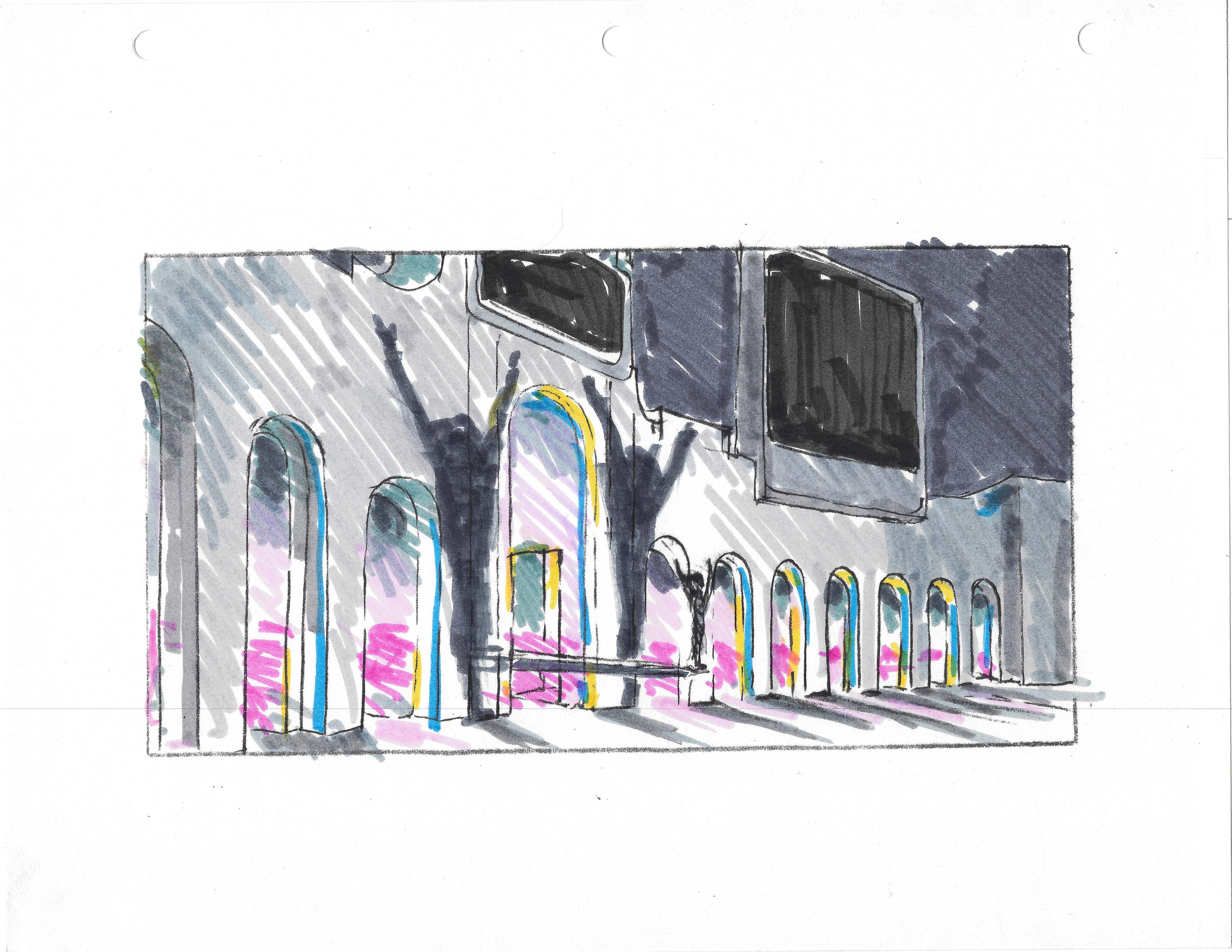
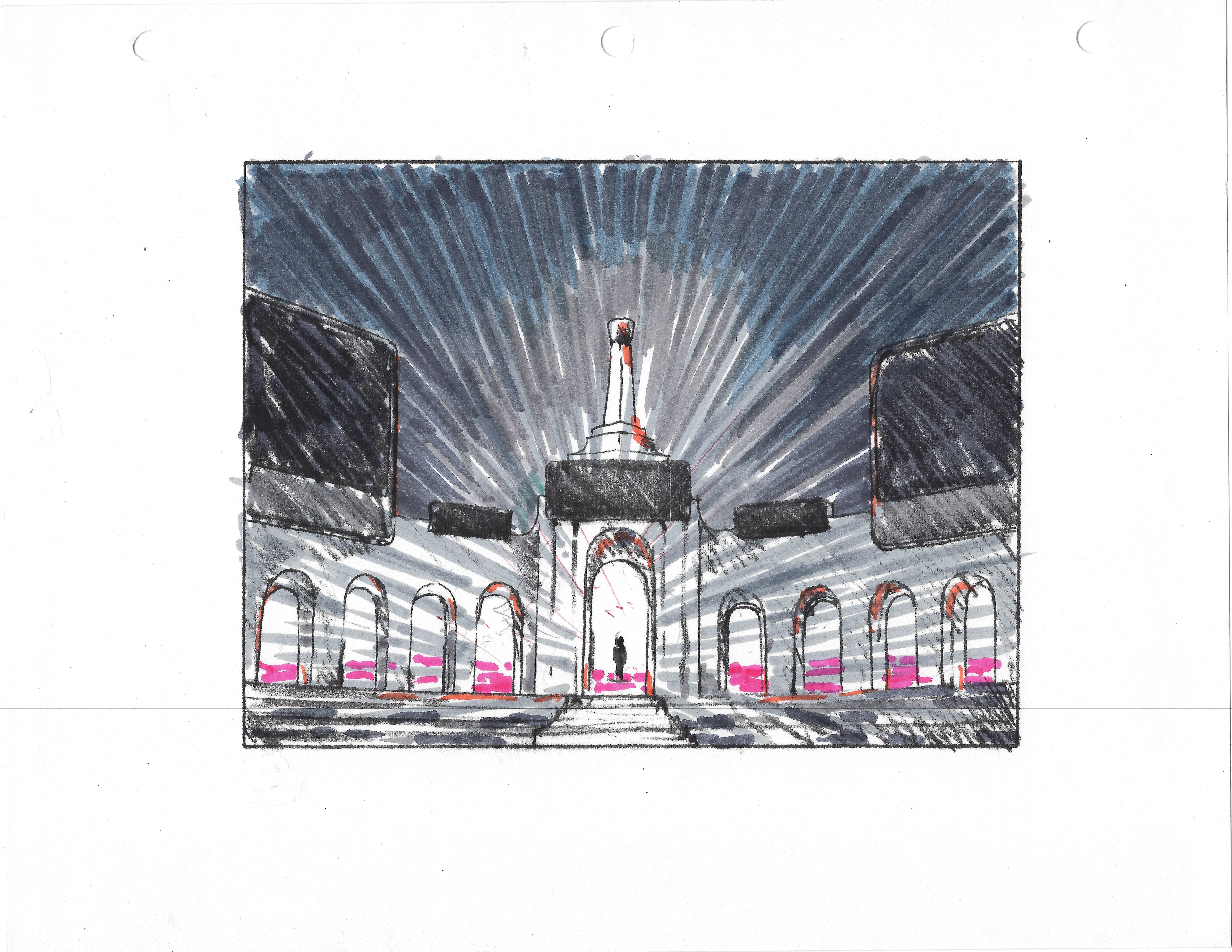
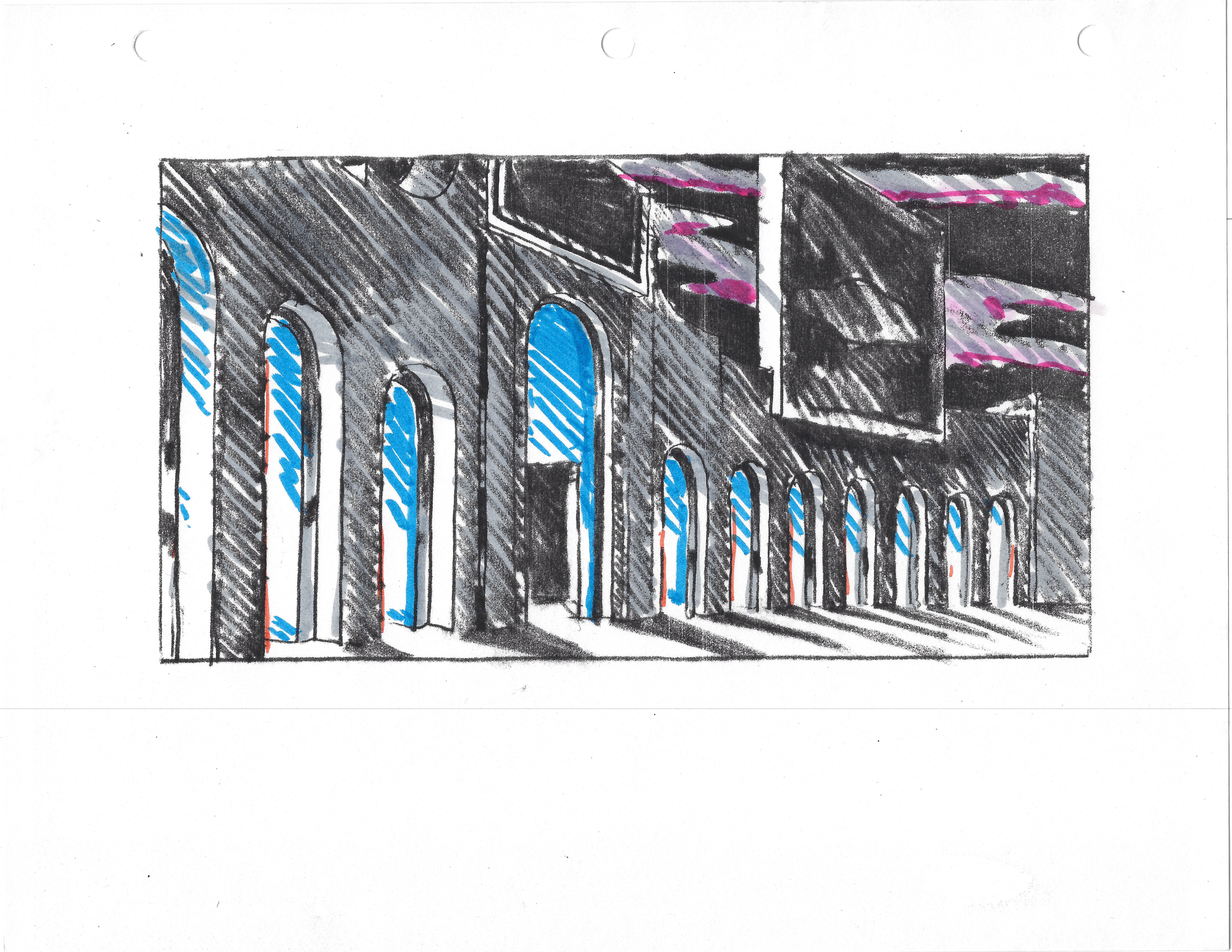
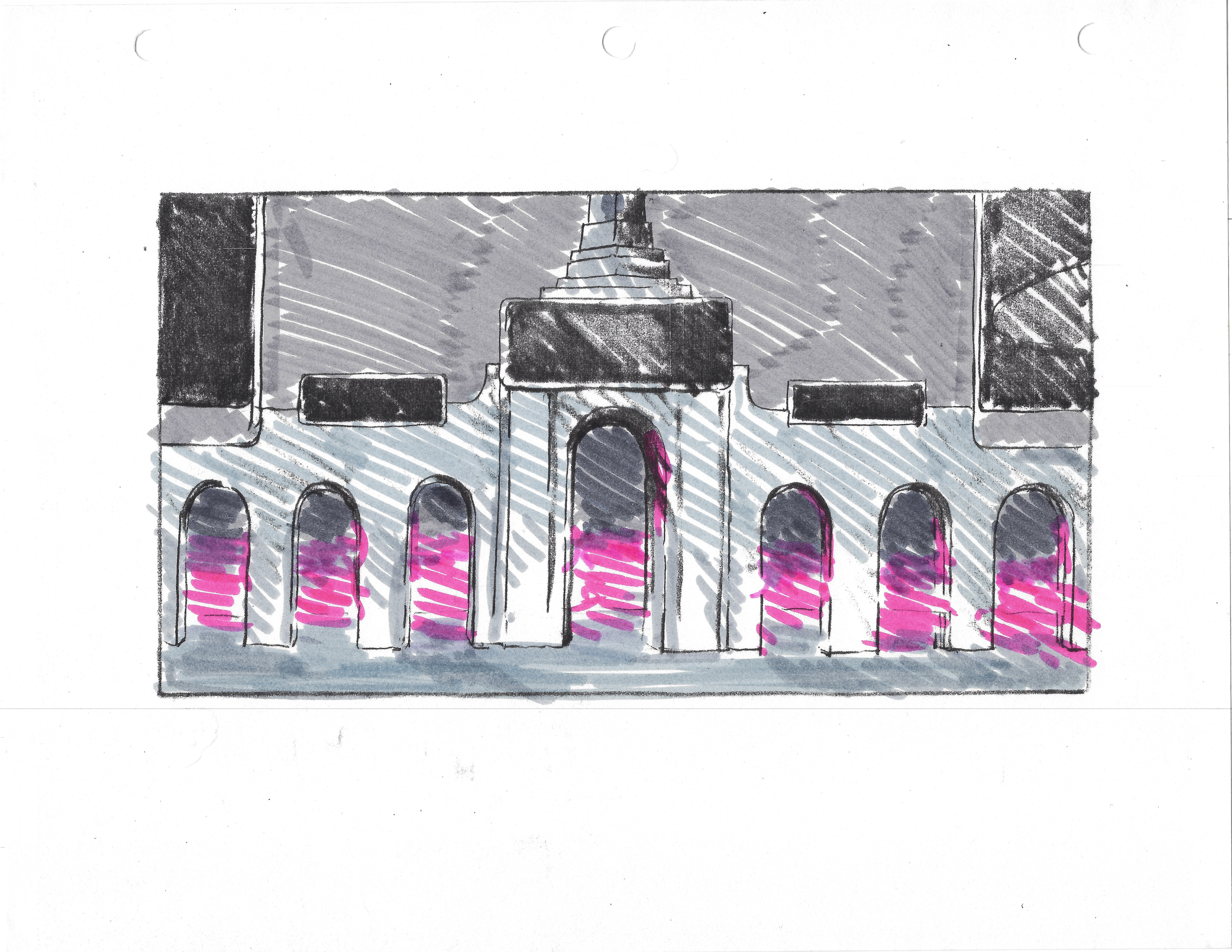
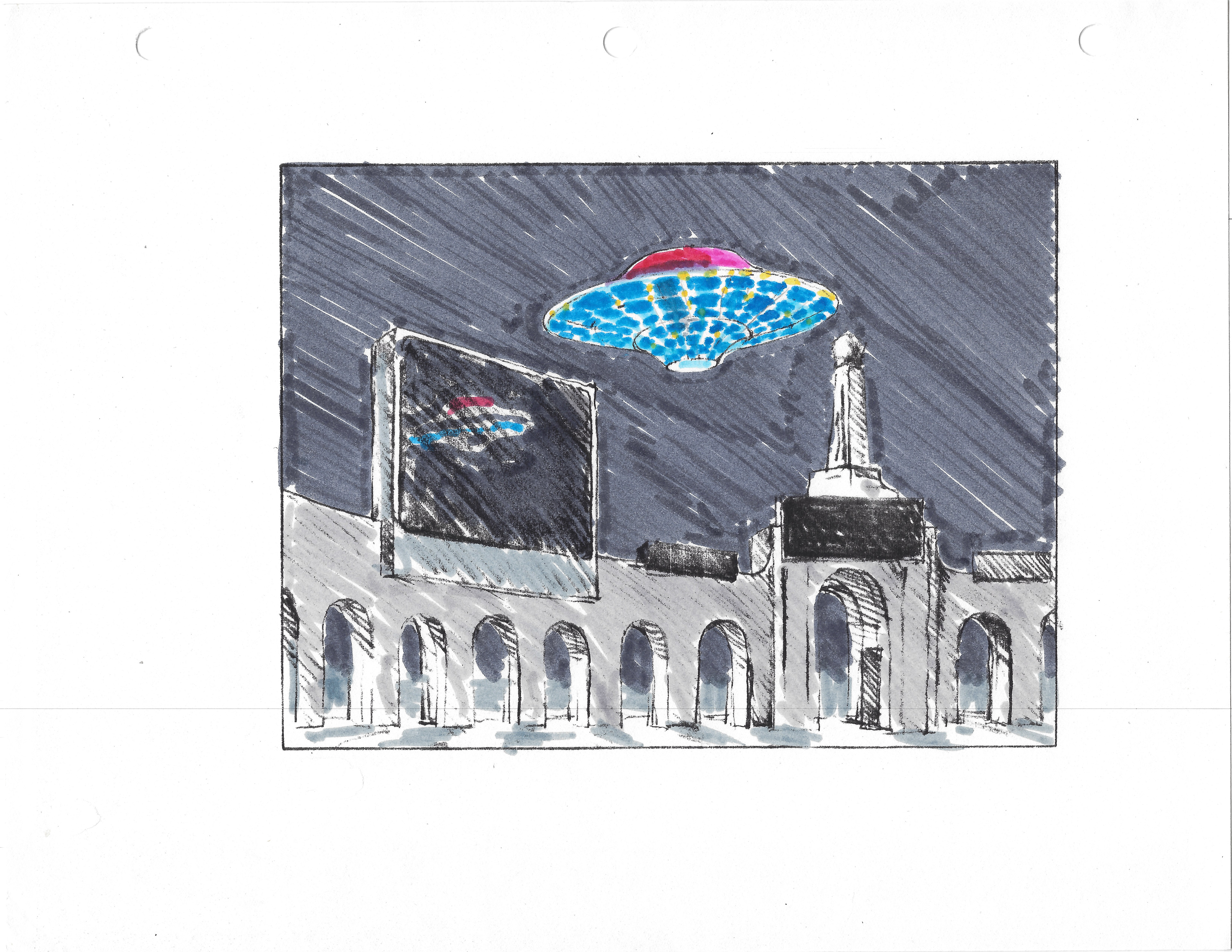
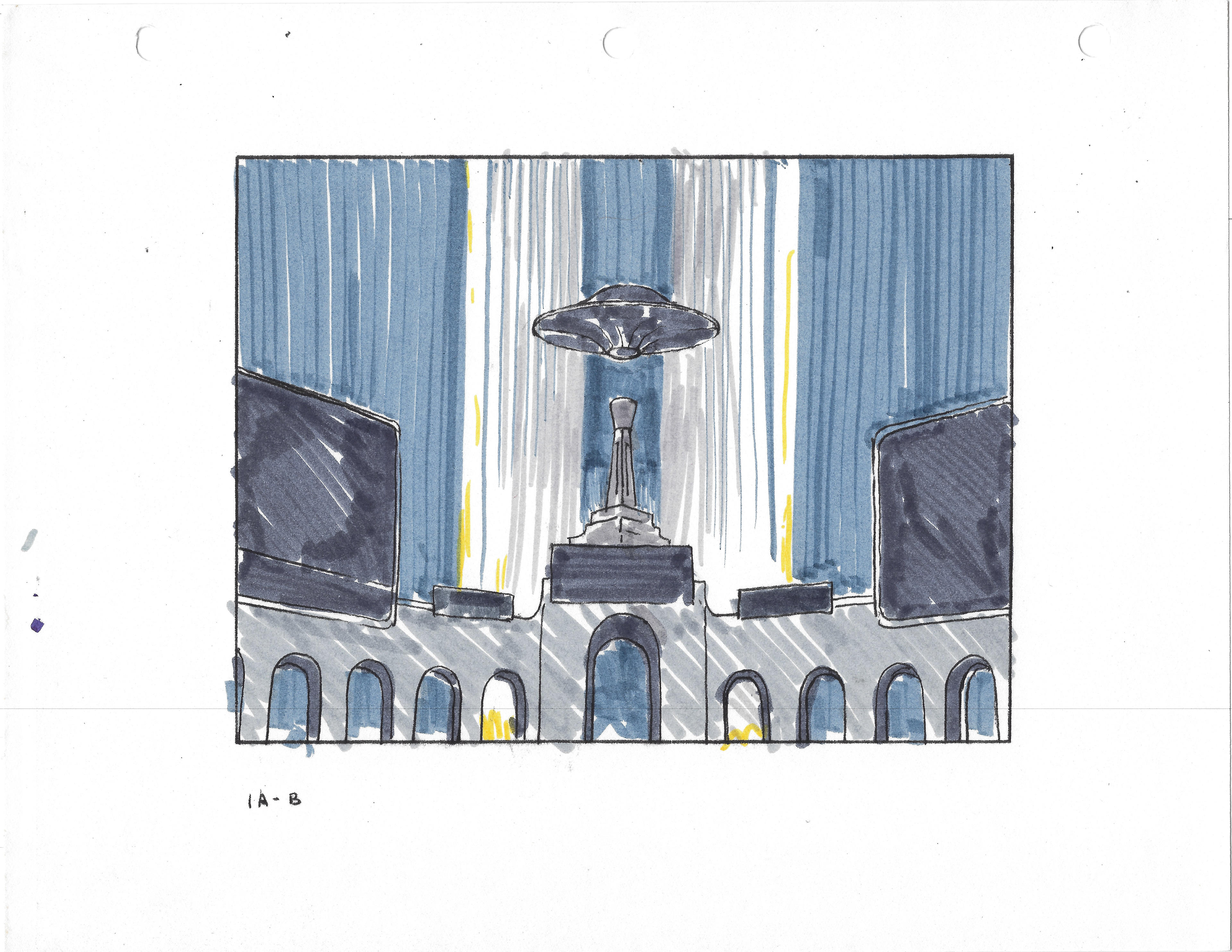
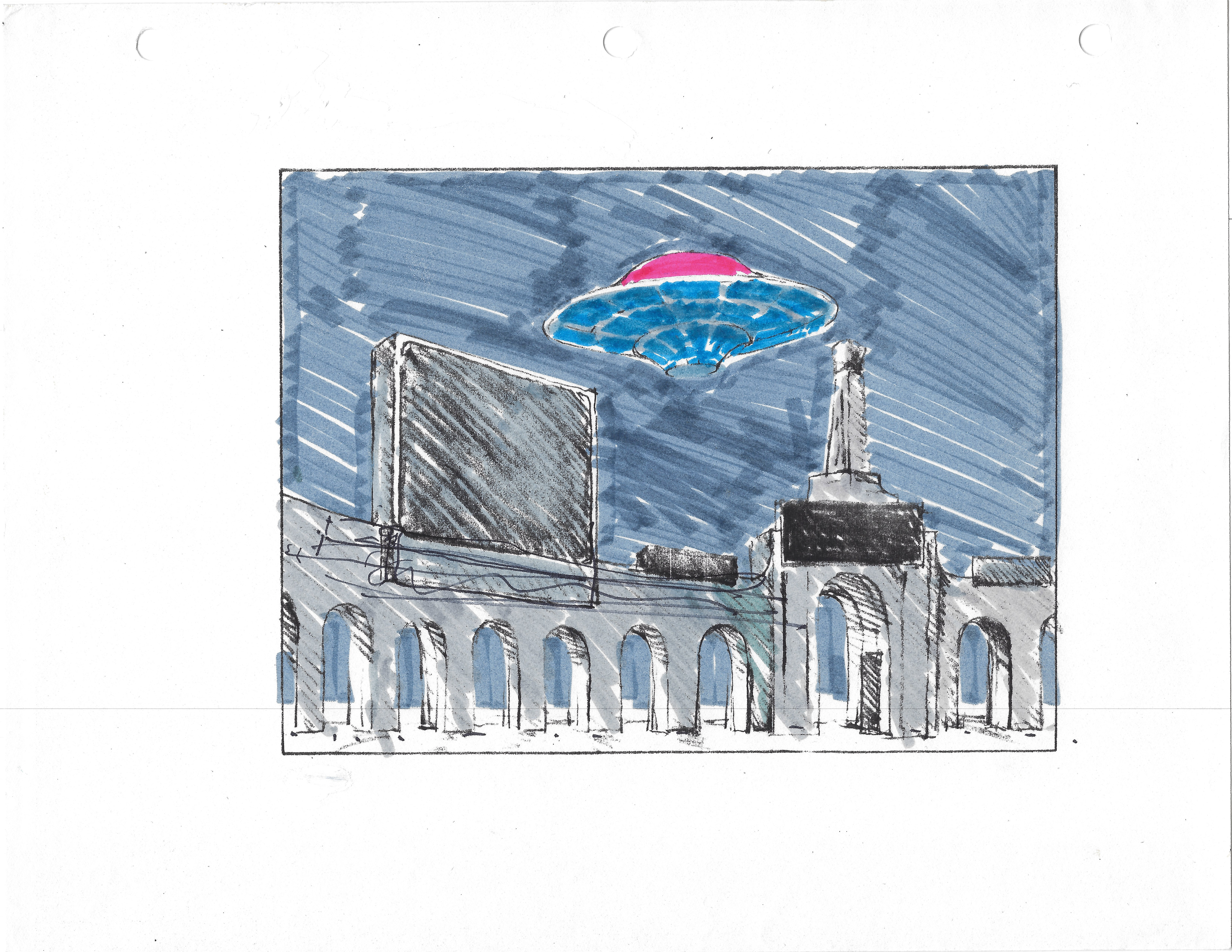
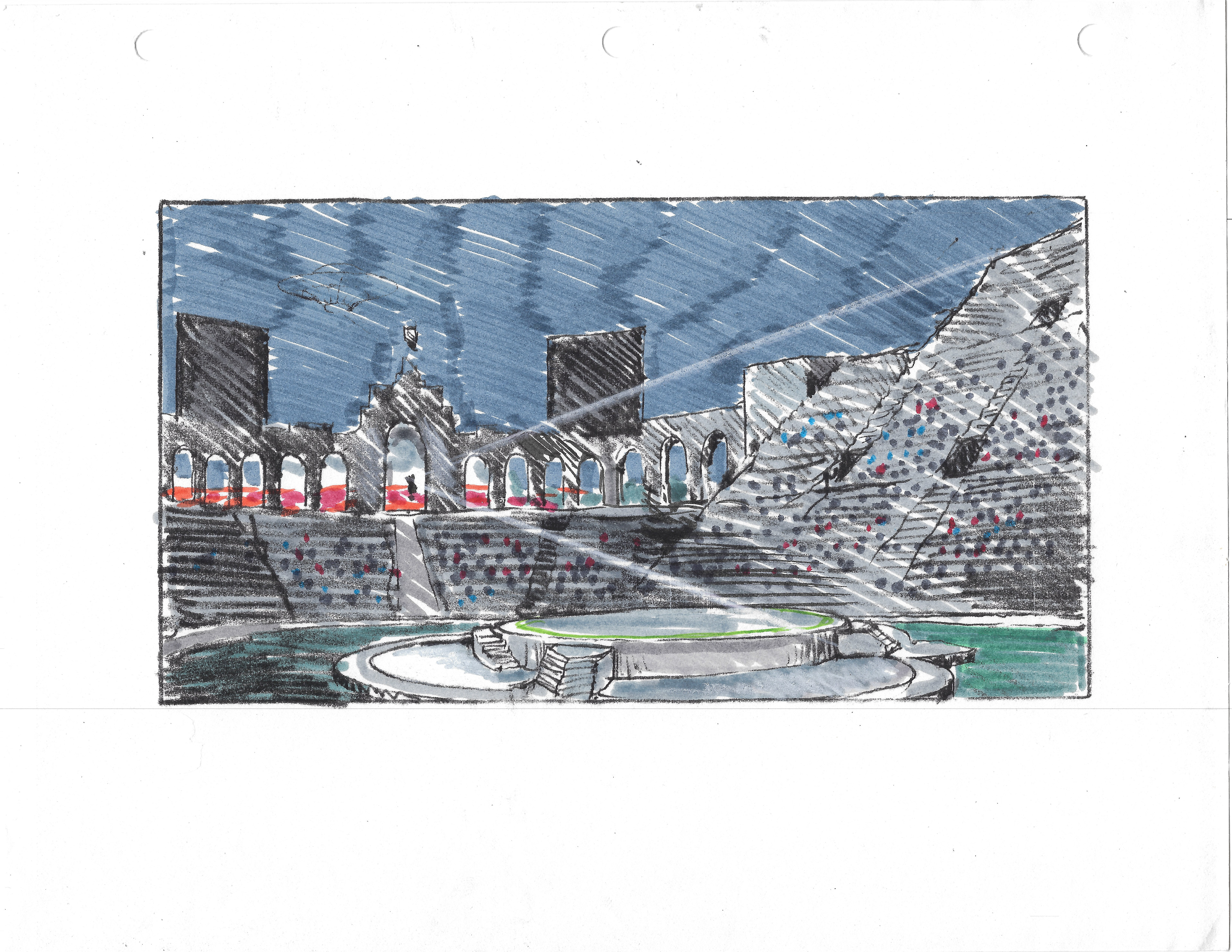
Flannery’s sequence began after the Olympic flame was extinguished. The darkened Los Angeles Memorial Coliseum became an immense theatrical environment as thousands of spectators illuminated blue flashlights. Music, lasers and light transformed the stadium into a seemingly sentient presence, communicating with a mysterious spacecraft approaching from above.
Executive producer David L. Wolper, acting on the recommendation of legendary showman Tommy Walker, brought Flannery into the project as one of its earliest creative collaborators. The core ceremonies team was initially very small, and Flannery was engaged as a conceptualist with principal responsibility for developing the closing ceremony. As the production evolved, his role expanded: he was charged with producing and directing “Celebration,” while his production company supervised its special lighting, effects and other major production elements.
Flannery’s sequence began after the Olympic flame was extinguished. The darkened Los Angeles Memorial Coliseum became an immense theatrical environment as thousands of spectators illuminated blue flashlights. Music, lasers and light transformed the stadium into a seemingly sentient presence, communicating with a mysterious spacecraft approaching from above.
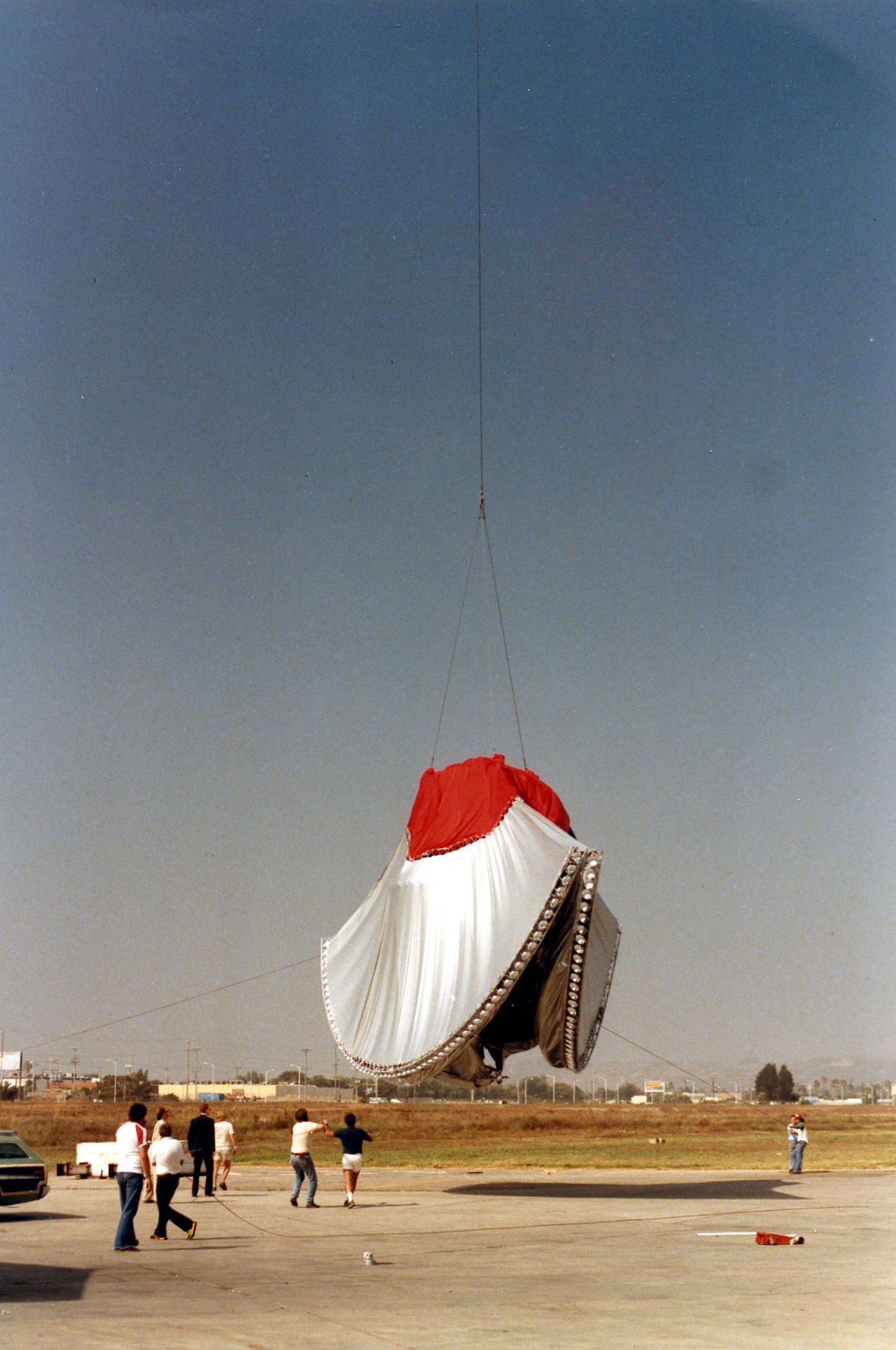
The spaceship had been retained from an earlier ceremonies concept developed by Disney and producer Bob Jani. Its original design resembled a conventional 1950s flying saucer—a silver disc crowned by a red dome. Flannery felt it was too kitsch and lacked the mystery and visual power the occasion demanded, but Wolper remained committed to including it.
After Wolper’s negotiations with Flannery’s preferred fabricator failed, the Sequoia Group was engaged to construct the craft. During its first flight test, held after the Opening Ceremony, the enormous structure collapsed in midair under the force of the helicopter’s rotor wash. With the Closing Ceremony rapidly approaching, the failure created an acute production crisis—but also gave Flannery the opportunity to redefine the spaceship’s visual identity.
After Wolper’s negotiations with Flannery’s preferred fabricator failed, the Sequoia Group was engaged to construct the craft. During its first flight test, held after the Opening Ceremony, the enormous structure collapsed in midair under the force of the helicopter’s rotor wash. With the Closing Ceremony rapidly approaching, the failure created an acute production crisis—but also gave Flannery the opportunity to redefine the spaceship’s visual identity.
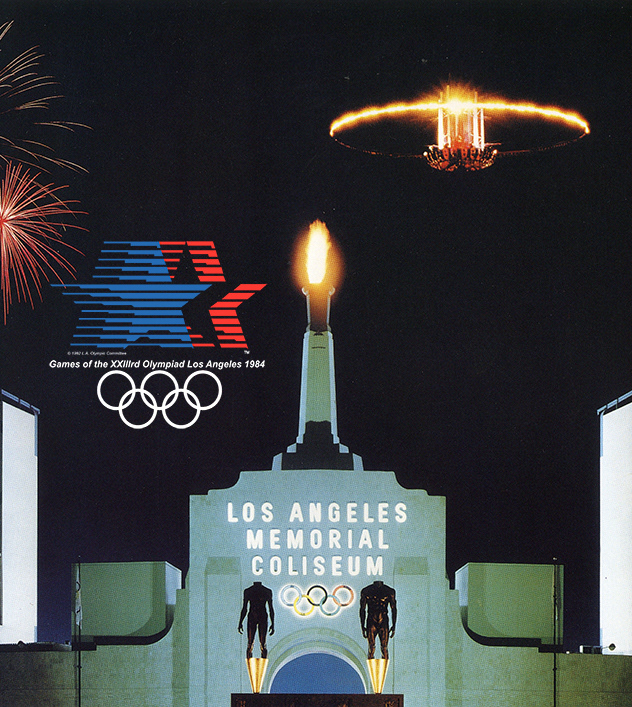
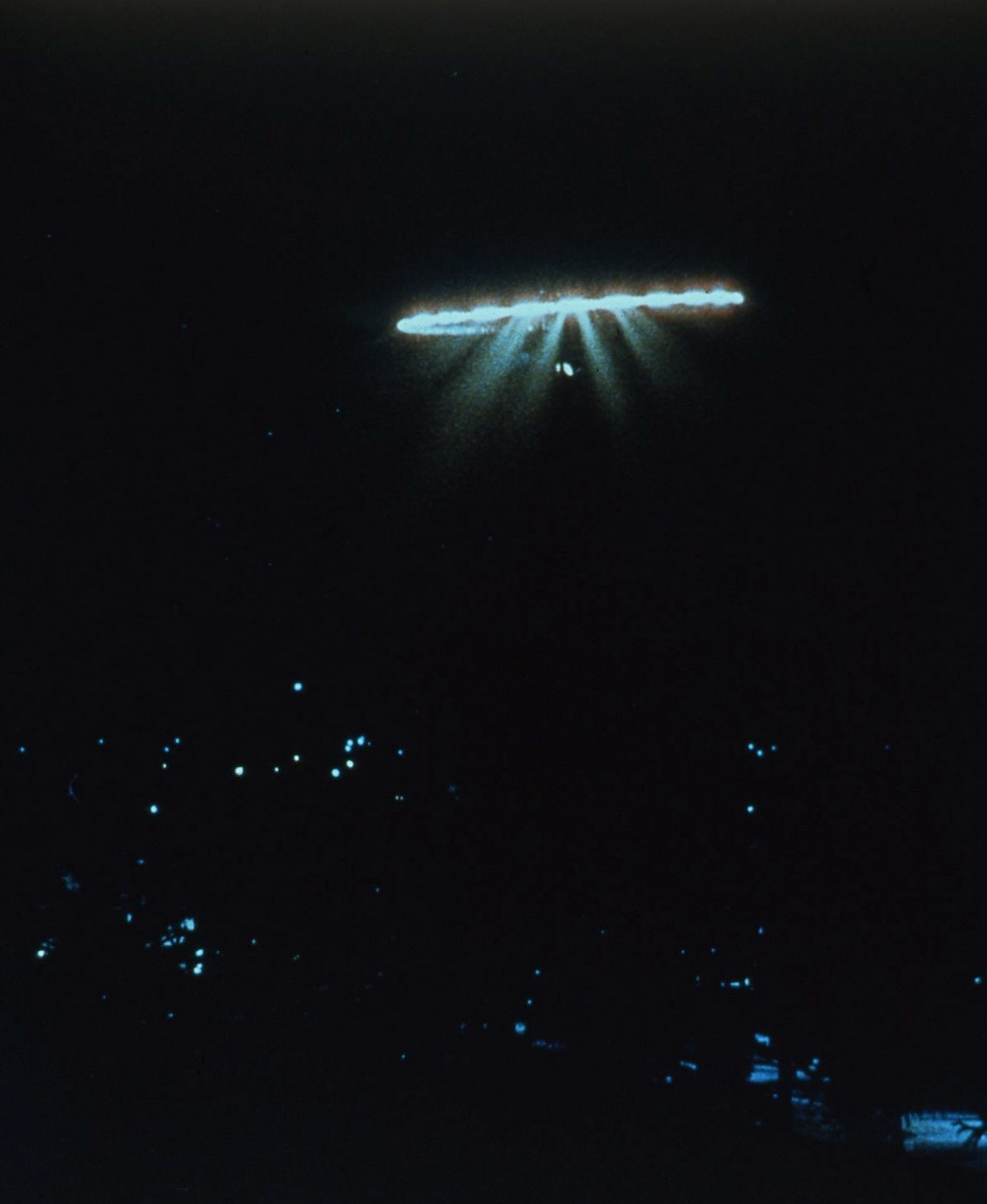
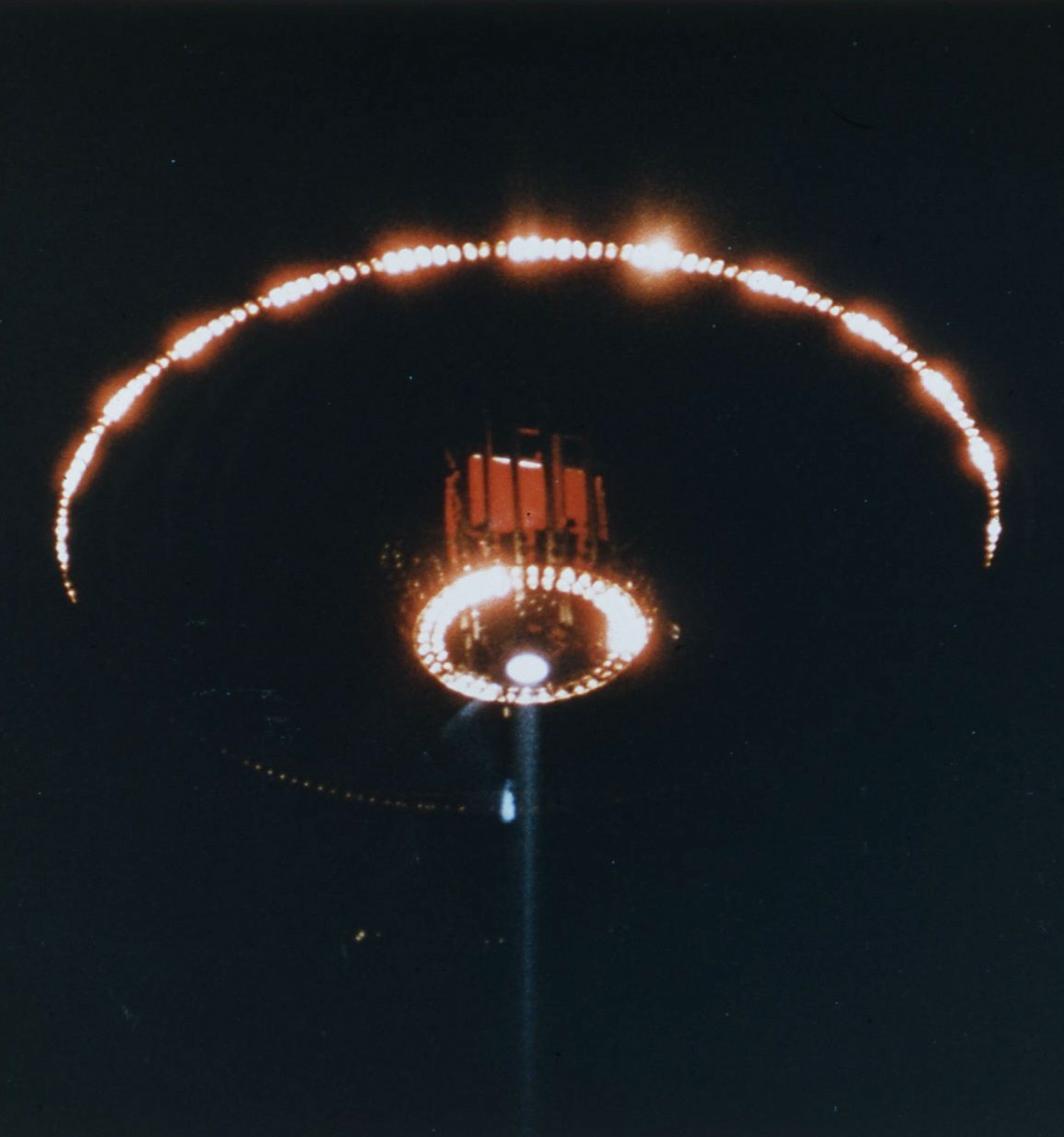
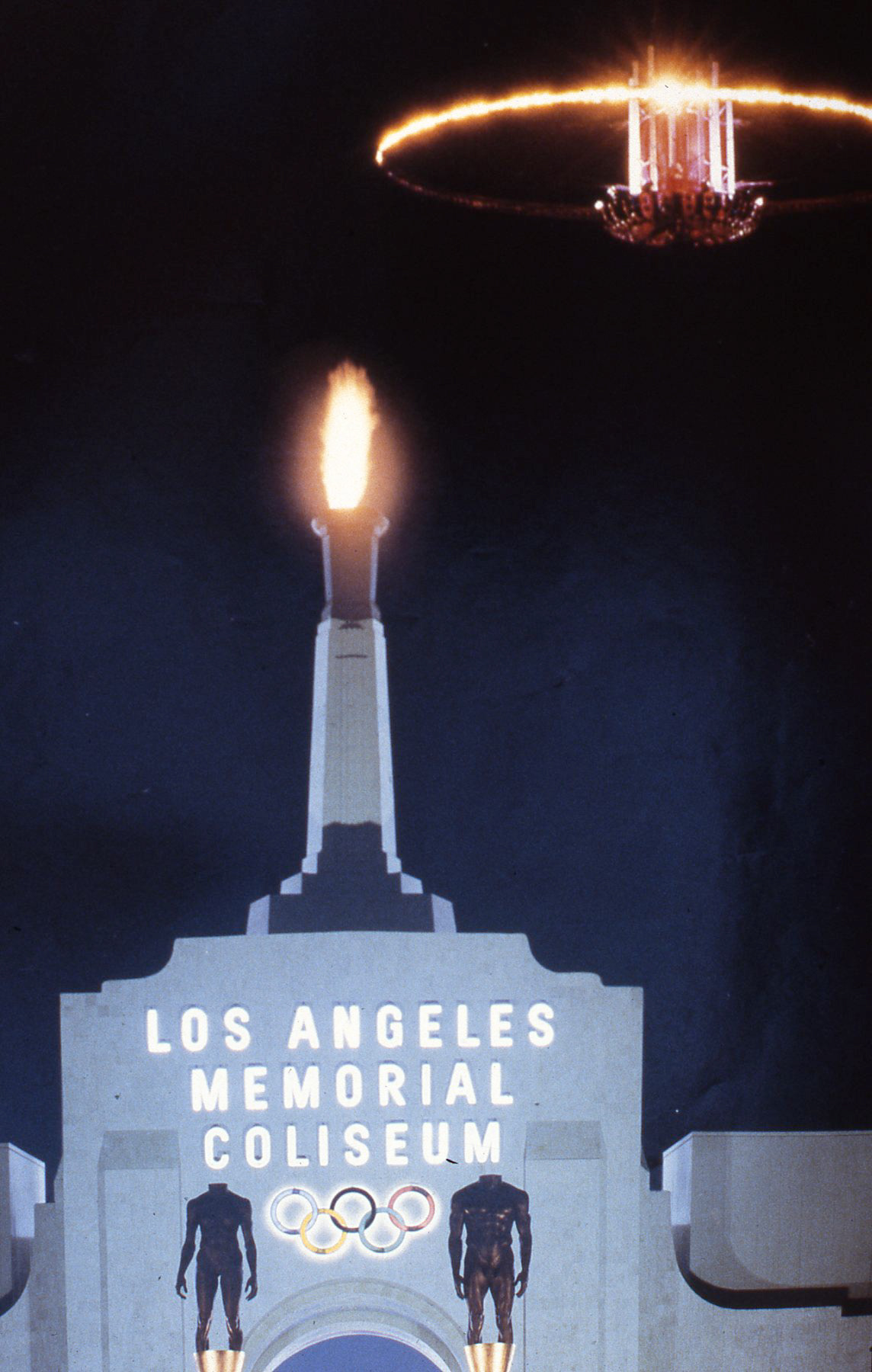
Recognizing that the illusion did not require a conventional solid object, Flannery approached the spacecraft as an architecture of light. Inspired by the unforgettable visual presence of the mothership in Close Encounters of the Third Kind, he envisioned a circular illuminated framework surrounding a radiant central core. That core drew inspiration from the Tower of Light at the 1964–65 New York World’s Fair. He instructed the Sequoia team, headed by Bob Gurr, to build a circular lighting truss. Against the black sky, its illuminated outline would allow the audience to complete the form in its imagination, making the craft appear massive, mysterious and self-propelled.
Flannery’s direction extended beyond the craft’s appearance to the illusion that made it fly. Applying principles of theatrical magic, he gave the spaceship team a counterintuitive instruction: suspend the craft as close to its supporting helicopter as possible. Lights aimed toward the audience served as theatrical “dazzlers,” drawing the eye to the luminous spacecraft and obscuring the blacked-out helicopter immediately above it. Light became both the spectacle and the means of concealing its machinery.
He approached the sound with the same understanding of misdirection. Smaller helicopters first swept the stadium, establishing their presence and sound before the spaceship arrived. They then reemerged as its apparent escort, masking the sound of the lifting helicopter within an aerial procession the audience could readily see and understand. Together, the lighting and choreography concealed the means of flight while making the impossible appear convincing.
On the night of August 12, 1984, the illusion worked. The glowing spacecraft crossed the sky above the Coliseum, exchanged musical signals with the stadium, swept the audience with its searchlight and appeared to land behind the peristyle amid smoke, fire and brilliant light.
Wolper later described the result as “a magical moment of sheer wonderment.” United Press International said the spacecraft brought “a dramatic otherworldly dimension” to the ceremony.
Flannery’s direction extended beyond the craft’s appearance to the illusion that made it fly. Applying principles of theatrical magic, he gave the spaceship team a counterintuitive instruction: suspend the craft as close to its supporting helicopter as possible. Lights aimed toward the audience served as theatrical “dazzlers,” drawing the eye to the luminous spacecraft and obscuring the blacked-out helicopter immediately above it. Light became both the spectacle and the means of concealing its machinery.
He approached the sound with the same understanding of misdirection. Smaller helicopters first swept the stadium, establishing their presence and sound before the spaceship arrived. They then reemerged as its apparent escort, masking the sound of the lifting helicopter within an aerial procession the audience could readily see and understand. Together, the lighting and choreography concealed the means of flight while making the impossible appear convincing.
On the night of August 12, 1984, the illusion worked. The glowing spacecraft crossed the sky above the Coliseum, exchanged musical signals with the stadium, swept the audience with its searchlight and appeared to land behind the peristyle amid smoke, fire and brilliant light.
Wolper later described the result as “a magical moment of sheer wonderment.” United Press International said the spacecraft brought “a dramatic otherworldly dimension” to the ceremony.
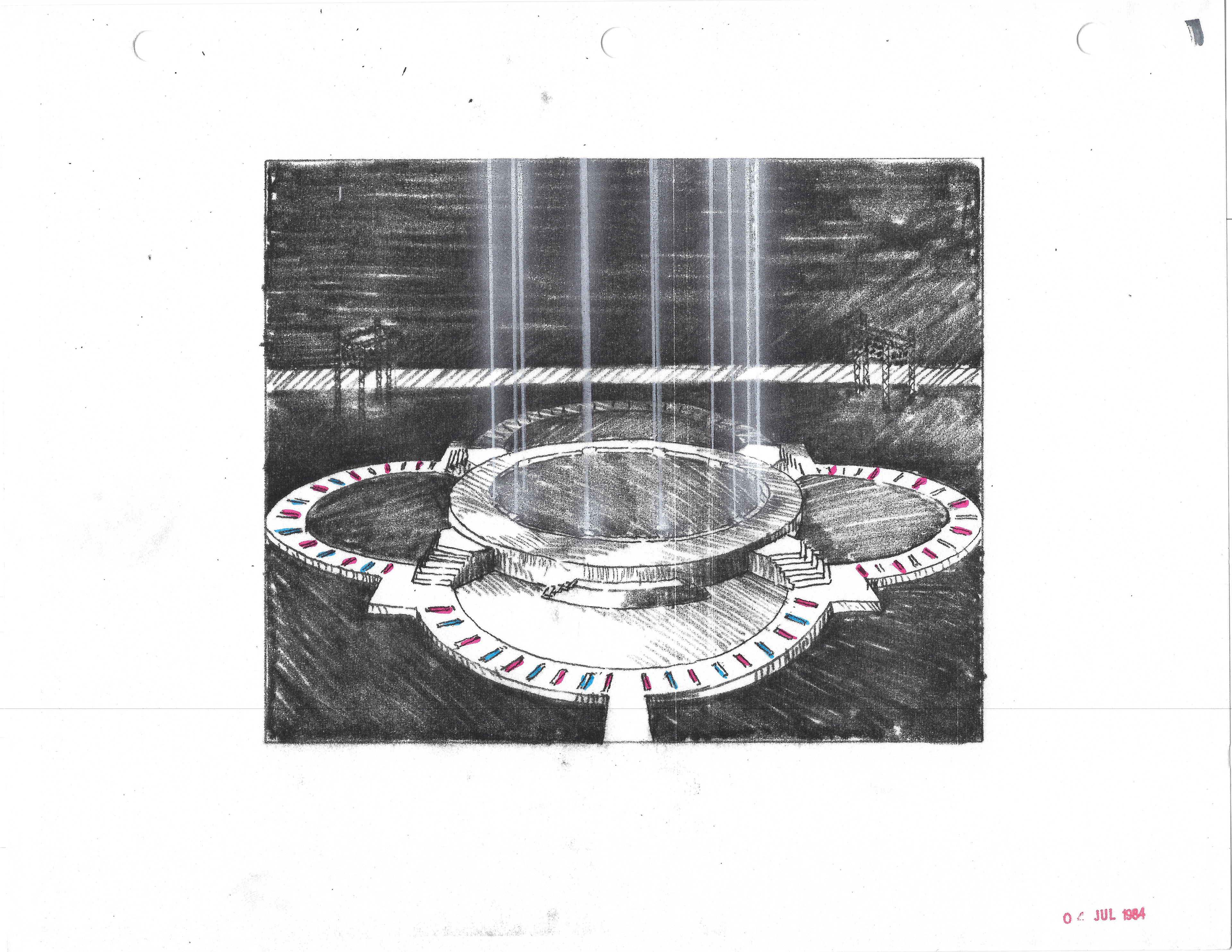
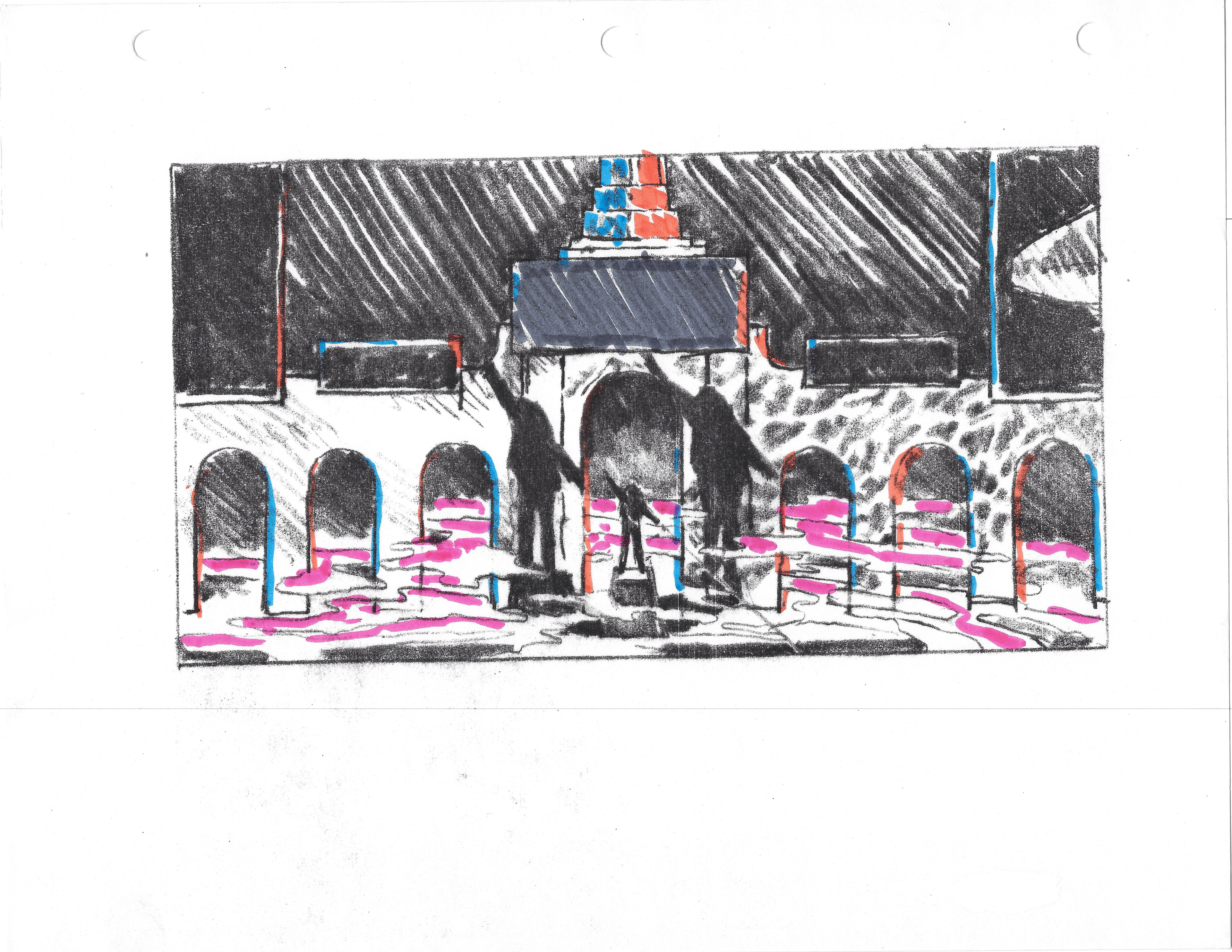
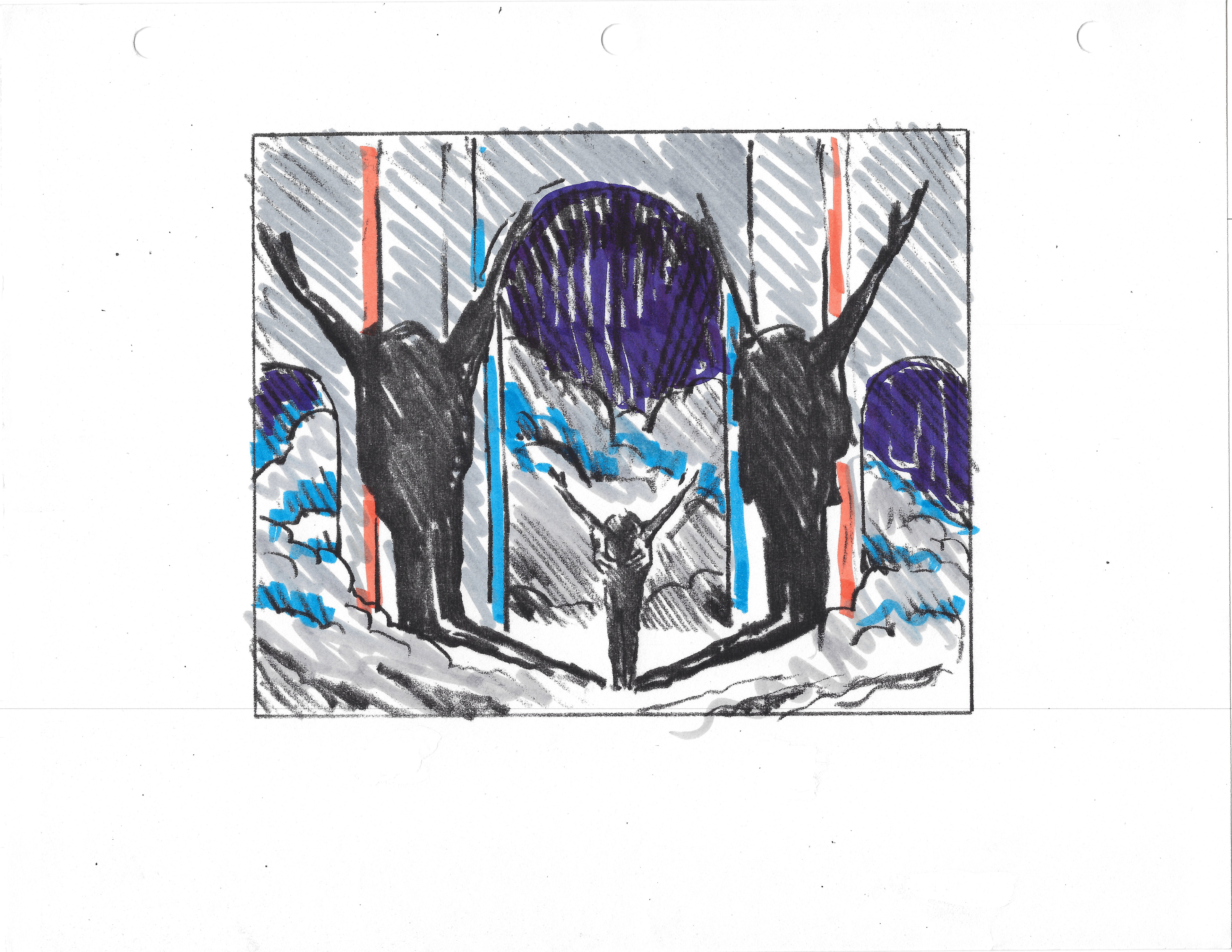
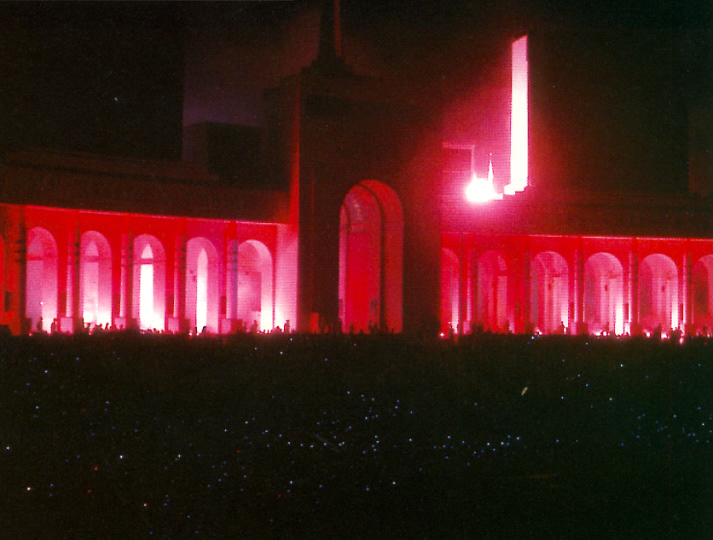
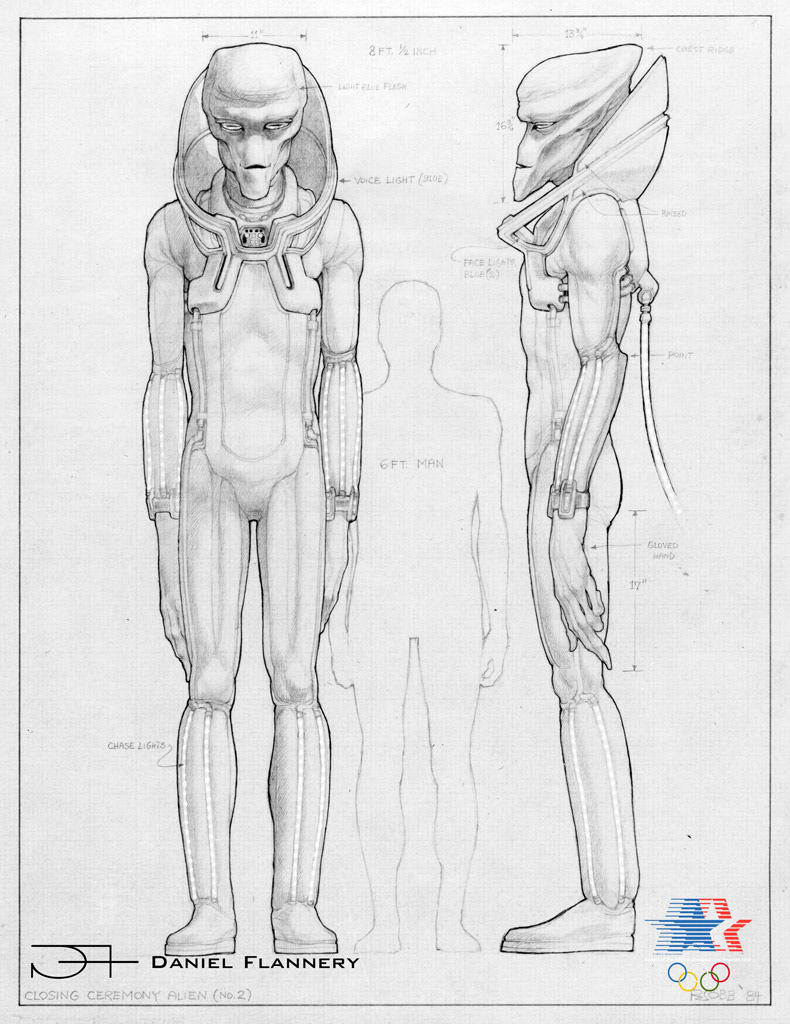
Flannery conceived the alien as a peaceful visitor from beyond Earth—an impartial witness drawn to Los Angeles by the extraordinary unity demonstrated during the Games. The visitor represented a larger intelligence recognizing humanity at its best: nations setting aside their differences, athletes gathering in peaceful competition, and millions of people sharing a common experience. Appearing above the Coliseum’s peristyle, the seven-foot figure acknowledged humanity’s preservation of the Olympic ideals and concluded with the words, “I salute you.”
To develop the character, Flannery sought the advice of Steven Spielberg, whose Close Encounters of the Third Kind had transformed the cinematic language of extraterrestrial encounters. Spielberg recommended acclaimed conceptual artist Ron Cobb, whose work included creatures for the Star Wars cantina. Flannery and Cobb collaborated to create a visitor that was mysterious and otherworldly, yet dignified and benevolent enough to embody the sequence’s message of peace, unity and hope.
To develop the character, Flannery sought the advice of Steven Spielberg, whose Close Encounters of the Third Kind had transformed the cinematic language of extraterrestrial encounters. Spielberg recommended acclaimed conceptual artist Ron Cobb, whose work included creatures for the Star Wars cantina. Flannery and Cobb collaborated to create a visitor that was mysterious and otherworldly, yet dignified and benevolent enough to embody the sequence’s message of peace, unity and hope.
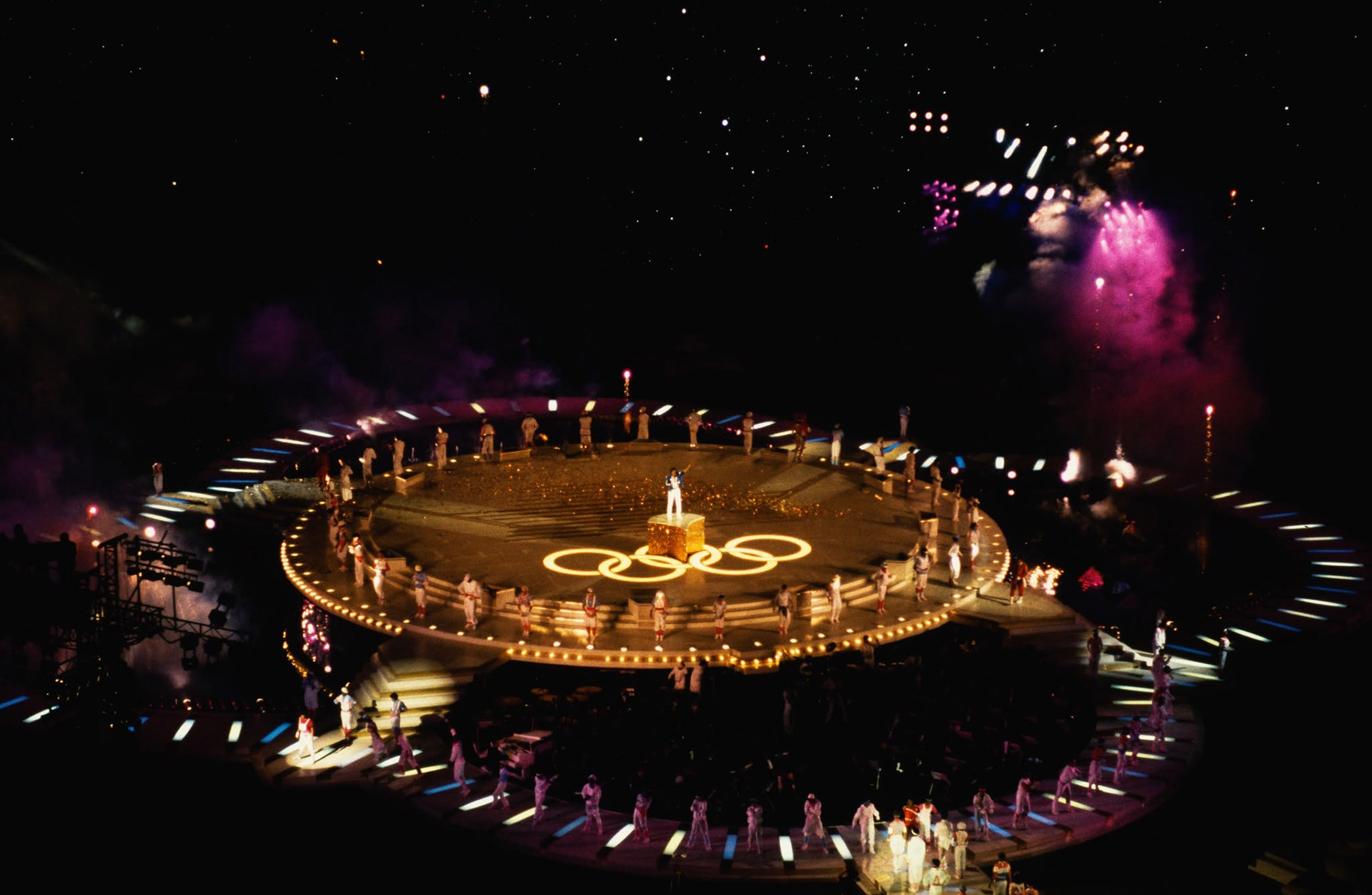
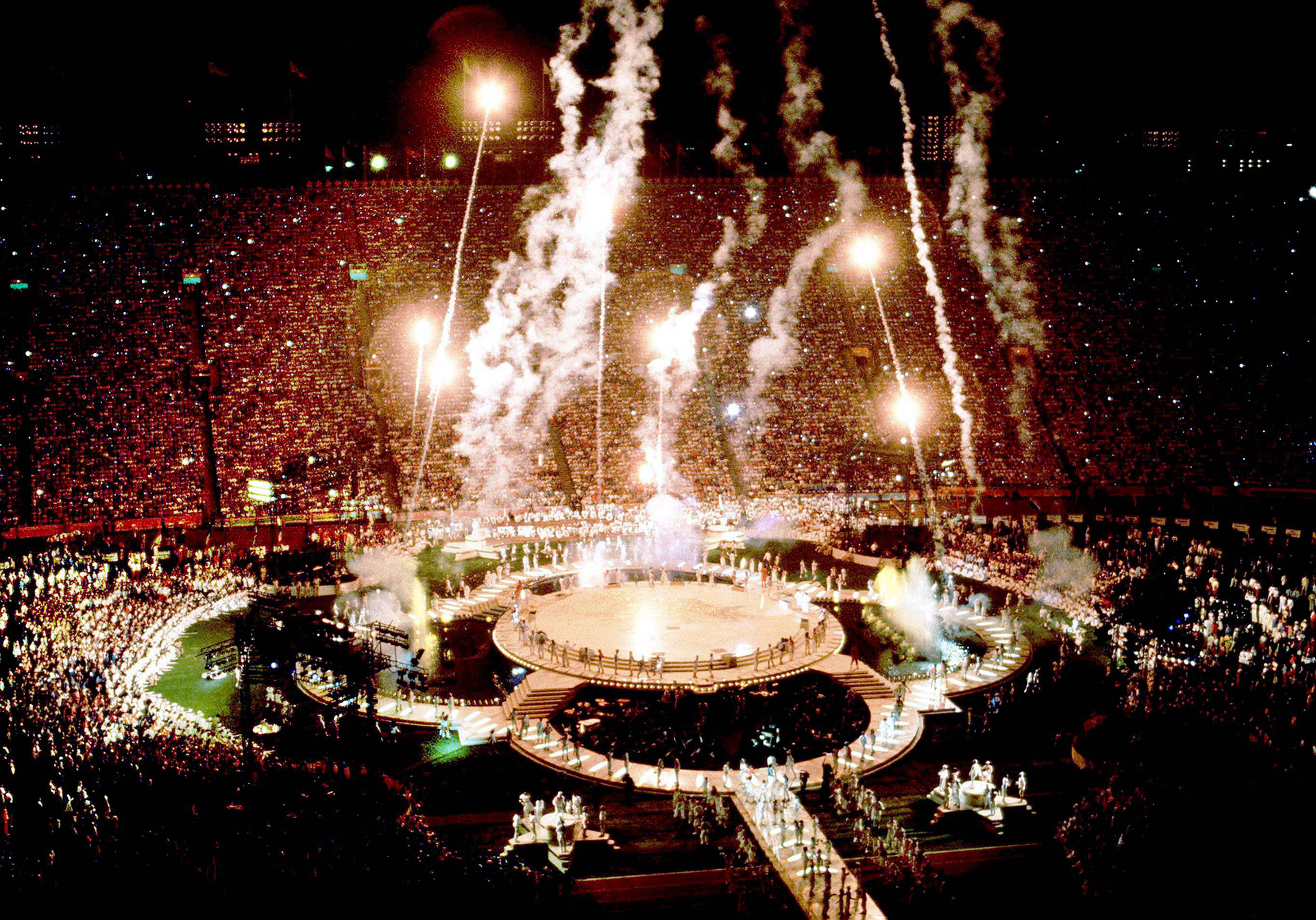
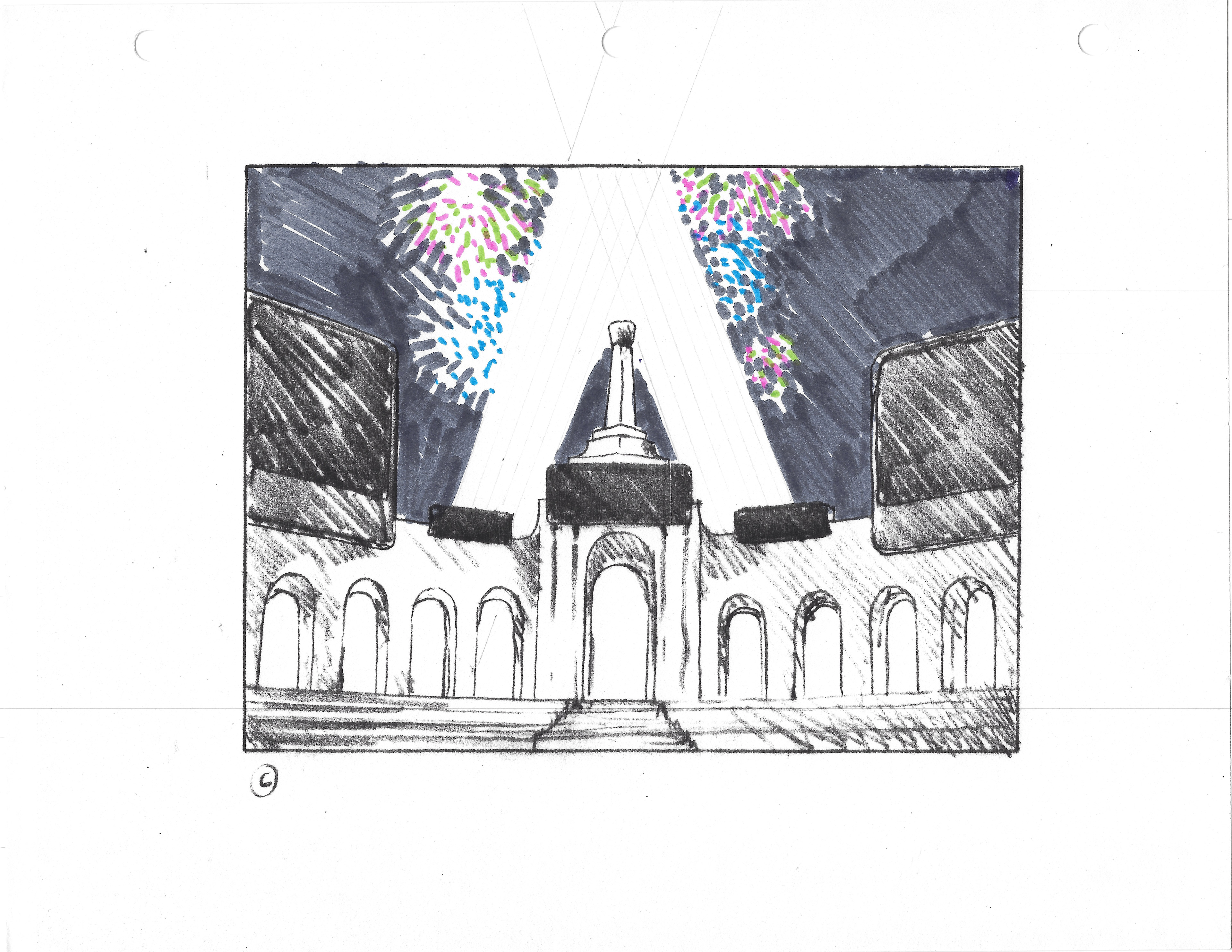
Following the alien’s message, the sky erupted in an international pyrotechnic salute honoring previous Olympic host cities. Lionel Richie then brought “Celebration” to its jubilant finale with an extended performance of “All Night Long.” Flannery’s special lighting and effects expanded the performance across the Coliseum, visually uniting Richie, hundreds of dancers, the athletes and the audience before a final burst of fireworks brought the ceremony to its conclusion.
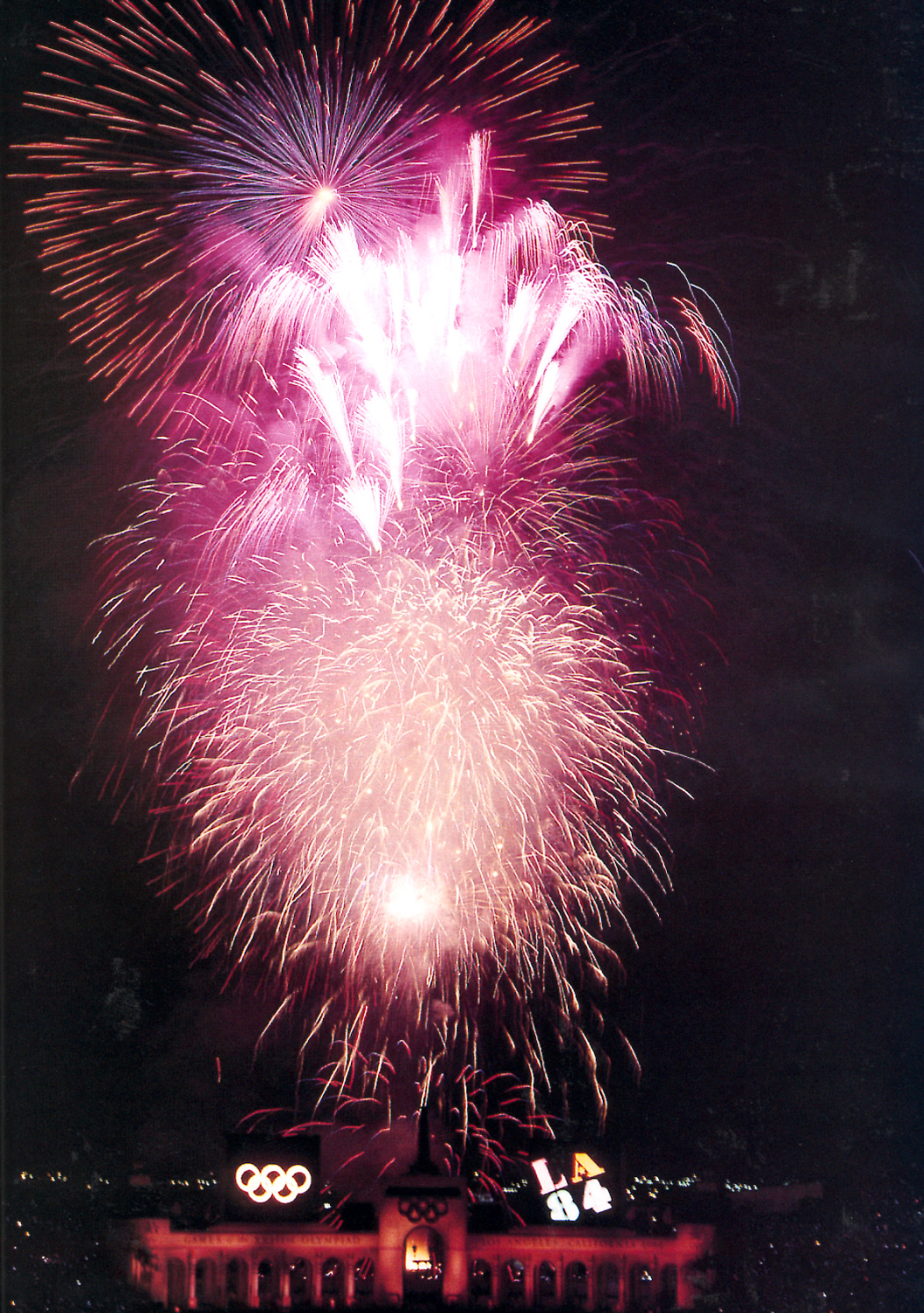
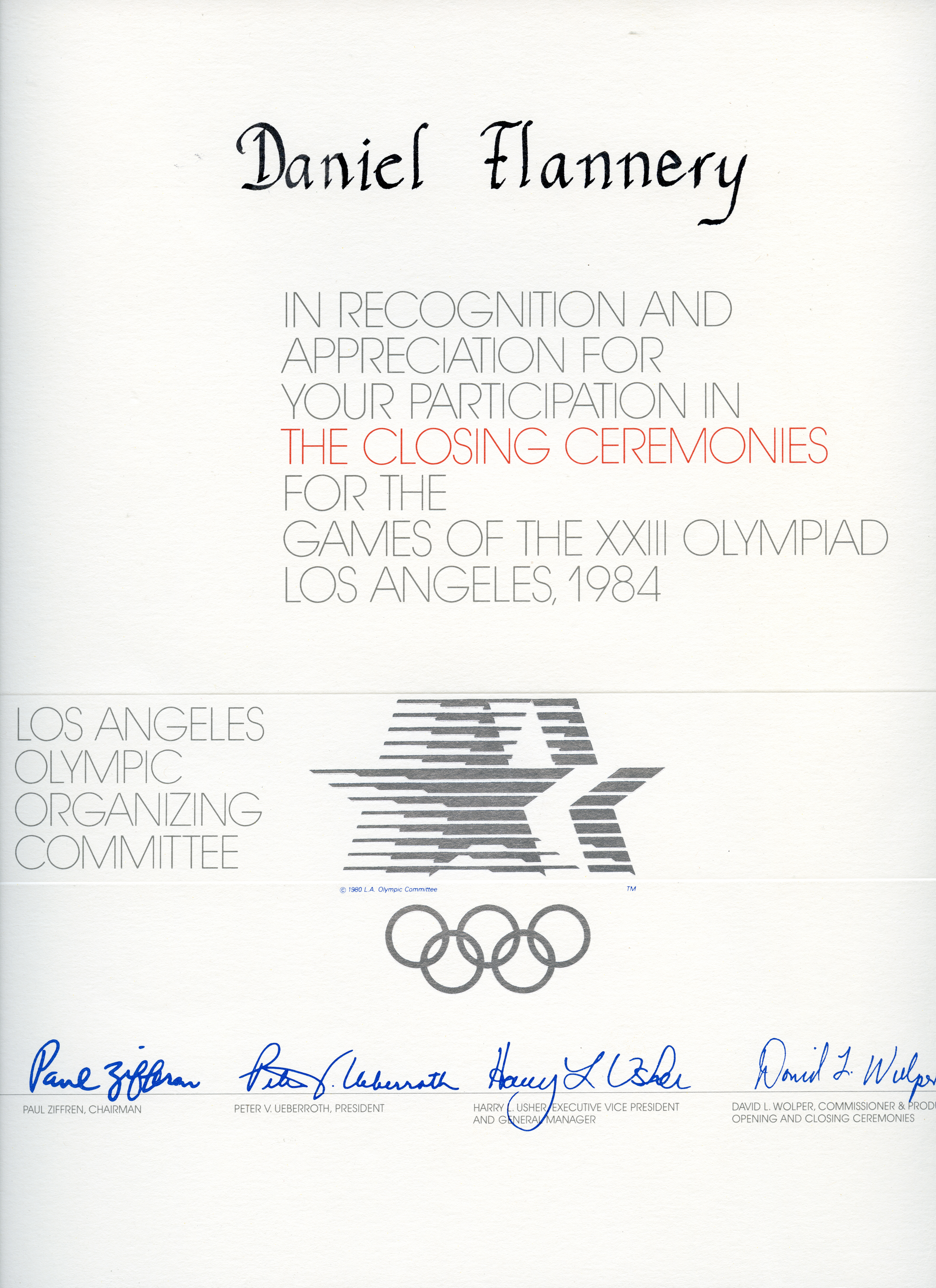
Presented before approximately 92,000 spectators and a worldwide television audience, “Celebration” demonstrated Flannery’s ability to conceive, direct and produce spectacle on a global scale. It united theatrical storytelling, cinematic imagery, music, lighting, lasers, illusion, aerial engineering, pyrotechnics and live performance in a single dramatic progression.
“Celebration” set a benchmark for the Olympic Closing Ceremony as a major artistic event in its own right. Its fusion of theatrical imagination, technical invention and popular entertainment anticipated the ambitious artistic productions that would become a defining feature of subsequent Olympic finales.
The production marked a decisive expansion of Flannery’s career—from designer and visual artist to the creator and director of monumental international events. Its spaceship remains among the most recognizable images of the Los Angeles Games and an enduring expression of his central creative principle: that light itself can become architecture, character and spectacle.
“Celebration” set a benchmark for the Olympic Closing Ceremony as a major artistic event in its own right. Its fusion of theatrical imagination, technical invention and popular entertainment anticipated the ambitious artistic productions that would become a defining feature of subsequent Olympic finales.
The production marked a decisive expansion of Flannery’s career—from designer and visual artist to the creator and director of monumental international events. Its spaceship remains among the most recognizable images of the Los Angeles Games and an enduring expression of his central creative principle: that light itself can become architecture, character and spectacle.